1
Get a factory quote
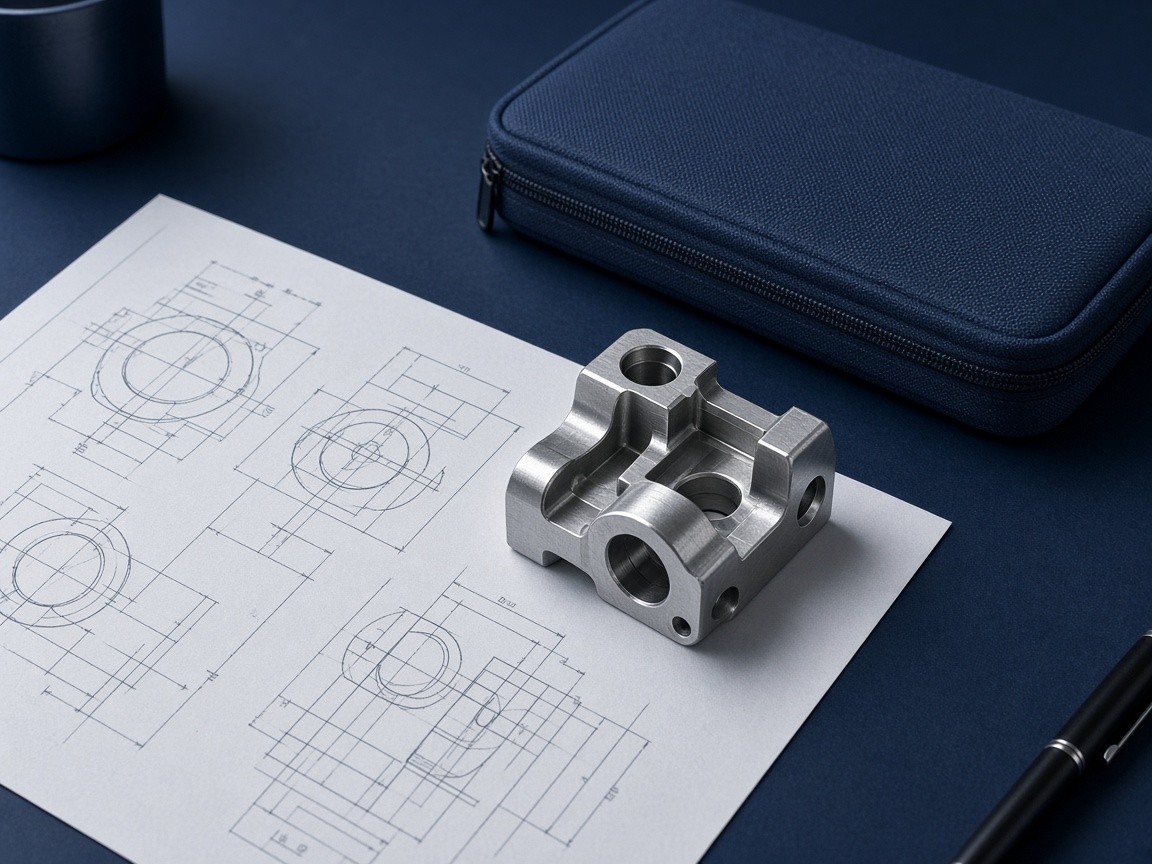
Upload STEP, SolidWorks, STL, DXF, or PDF on Get a Quote. Name the grade, quantity, and three balloons. Files land in the inbox directory — not in anyone’s mailbox.

Pedoli factory desk · Bao’an, Shenzhen · mold.pedoli.com
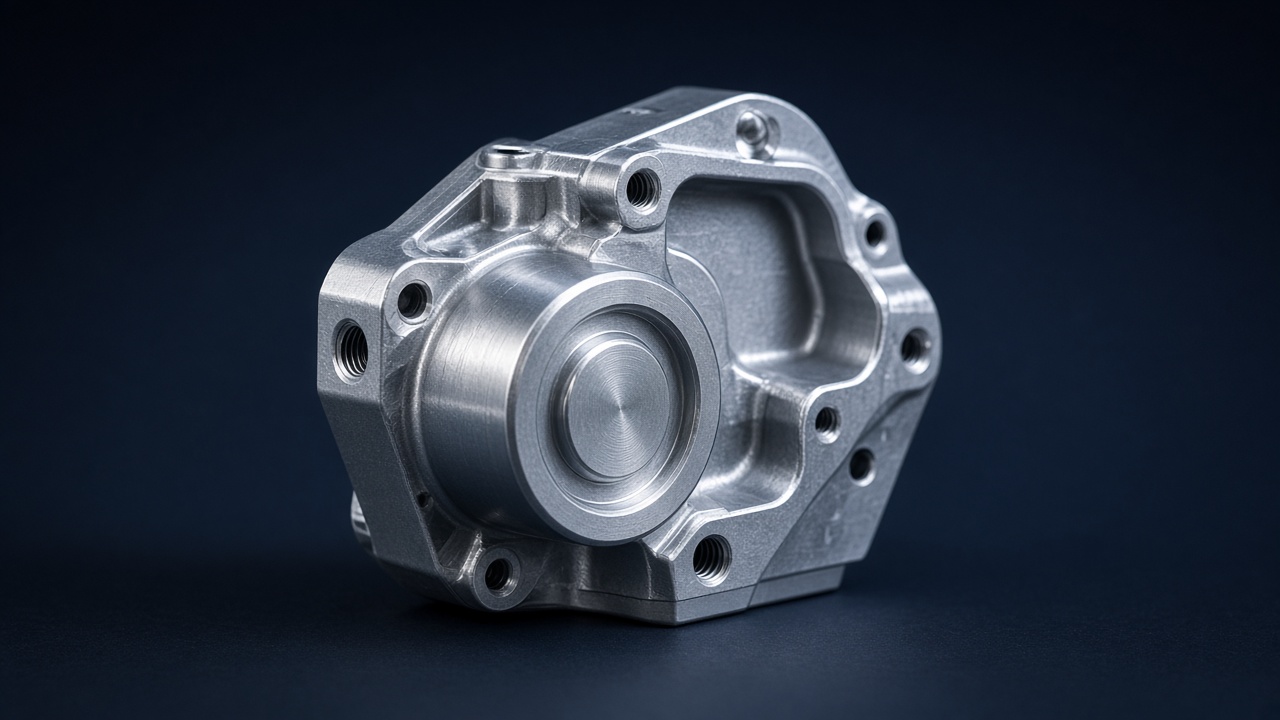
Bluesky Tooling programs the cells in the header — milling, turning, mill-turn, Swiss, drill, knurl, groove, stamp, extrusion, and mold tools. Upload a STEP plus PDF. An engineer opens the pack from disk and maps the honest process.
The spindle or the work spins — we pick from the print. General talk ±0.05 mm; tighter when ballooned. As-machined is typically a Ra 3.2 μm conversation unless a face is marked.
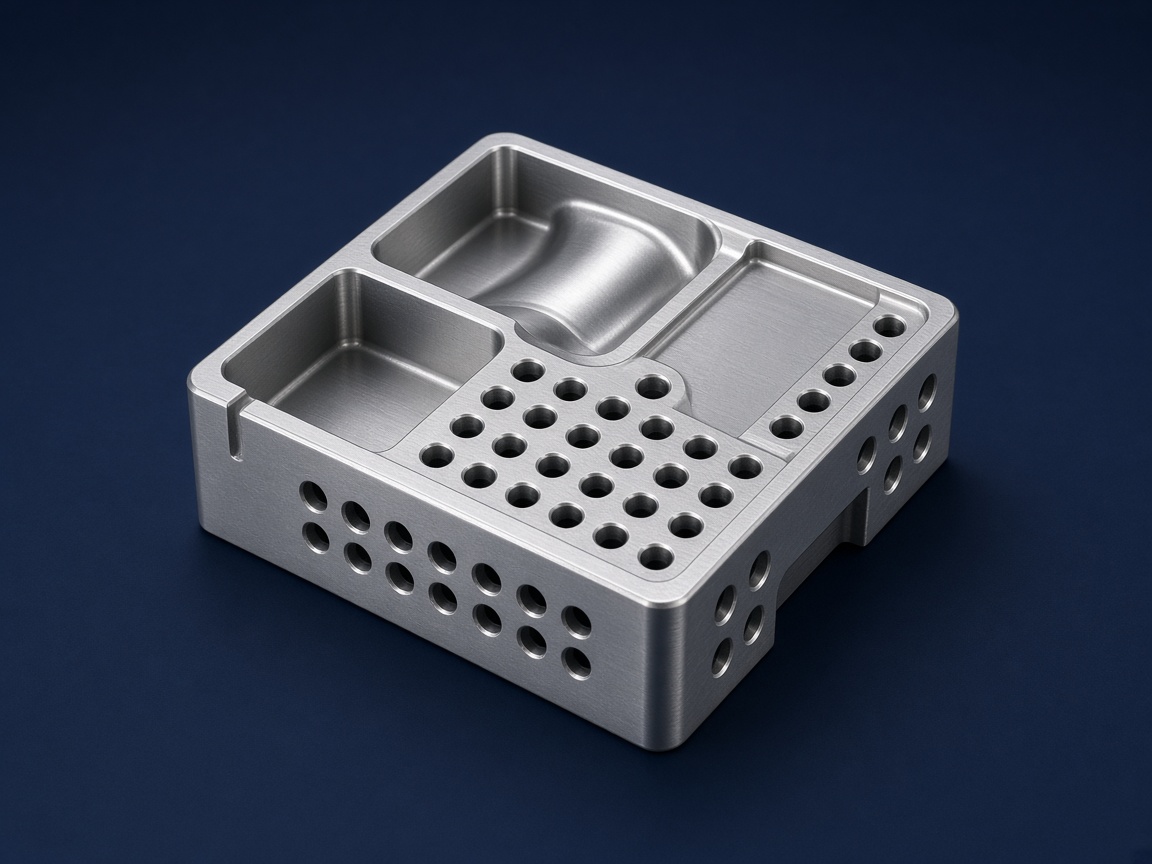
The part stays clamped. 3-axis, 4-axis, 3+2, and 5-axis for pockets, faces, and compound surfaces. 5-axis only when a second clamp would stack error.
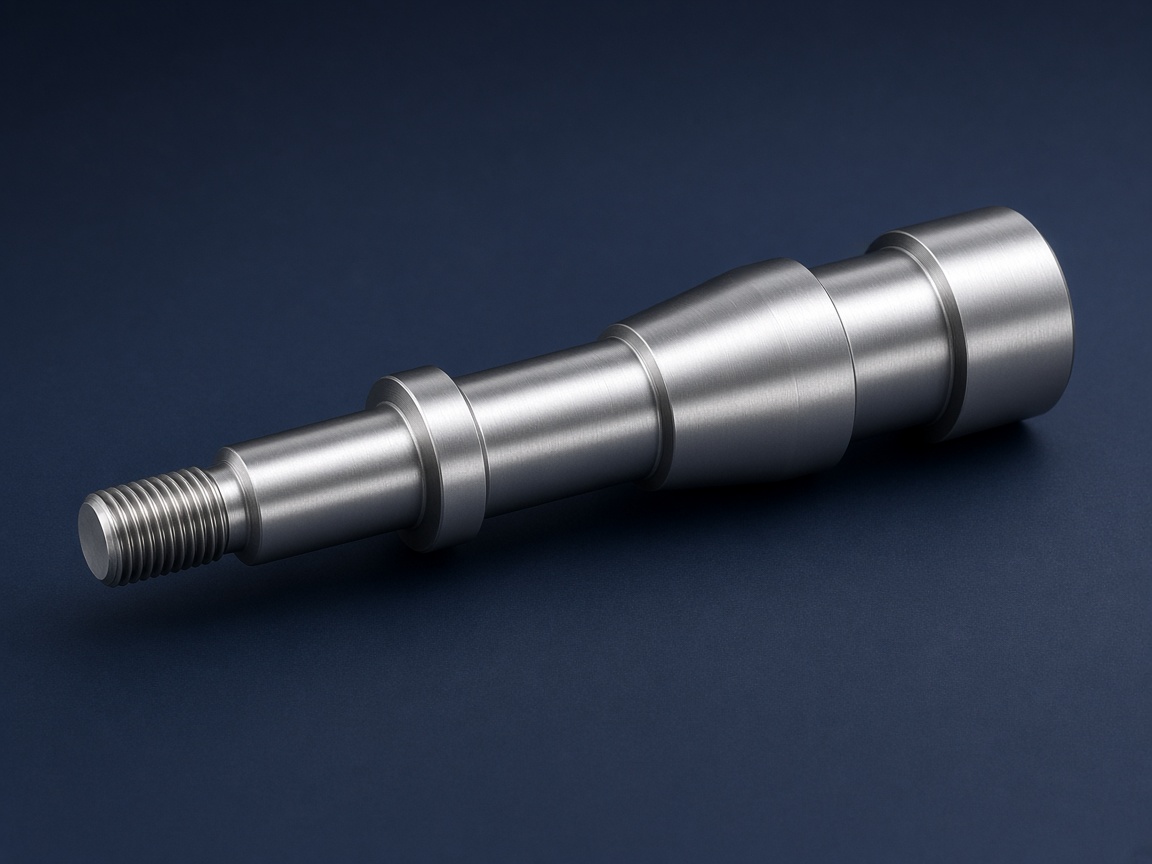
The work spins. OD, ID, threads, tapers, and grooves on shafts, bushings, and fittings. Live-tool flats when a second mill would lie.
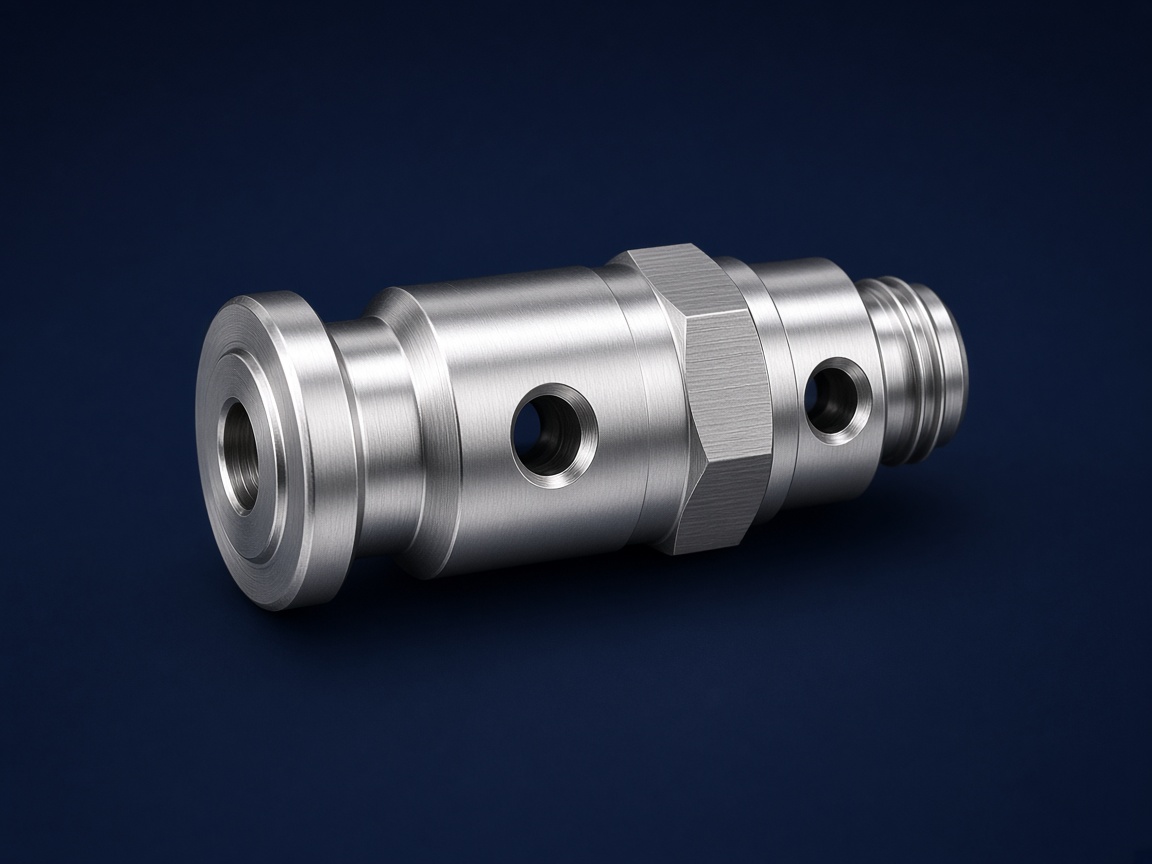
One chuck when the print mixes a turned OD with milled flats, a hex, a keyway, or radial holes. First datum stays on the lathe.
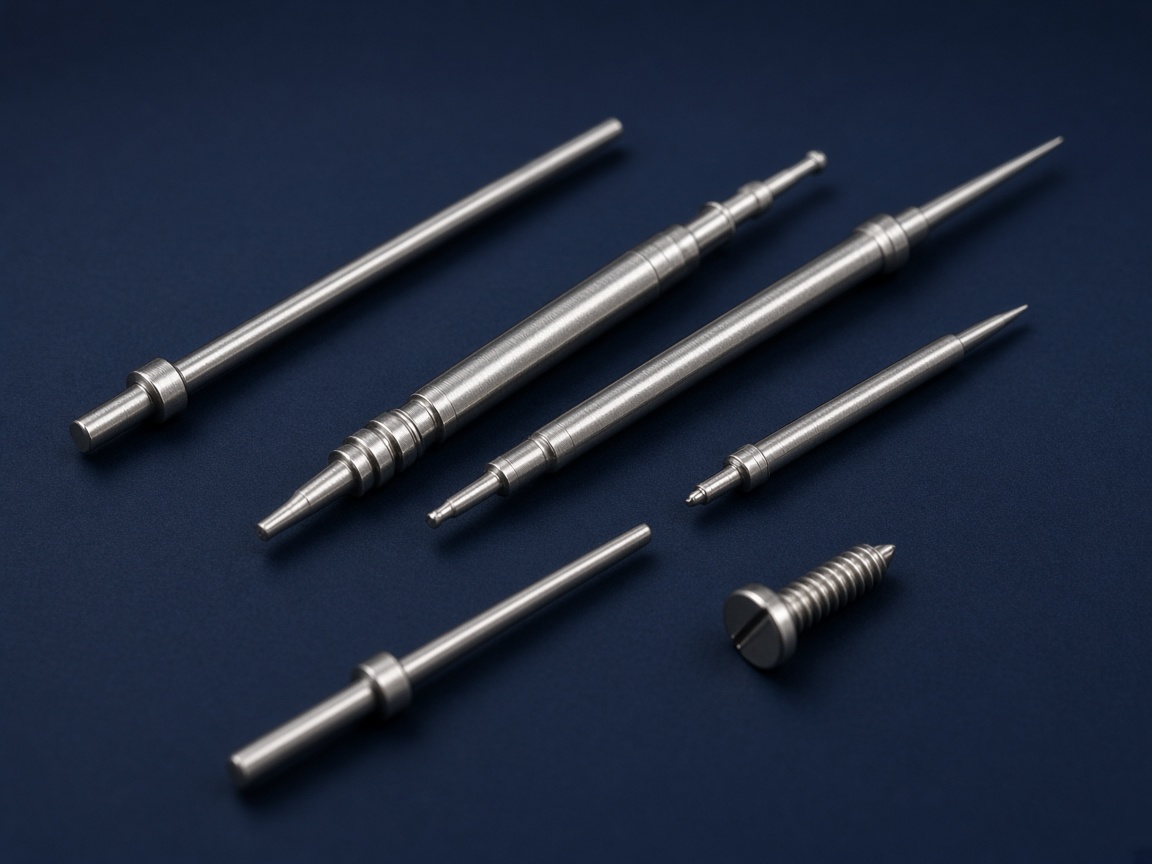
Bar slides through a guide bushing; the cut sits next to that support. Pins, screws, and needles when L/D would chatter on a chuck lathe.
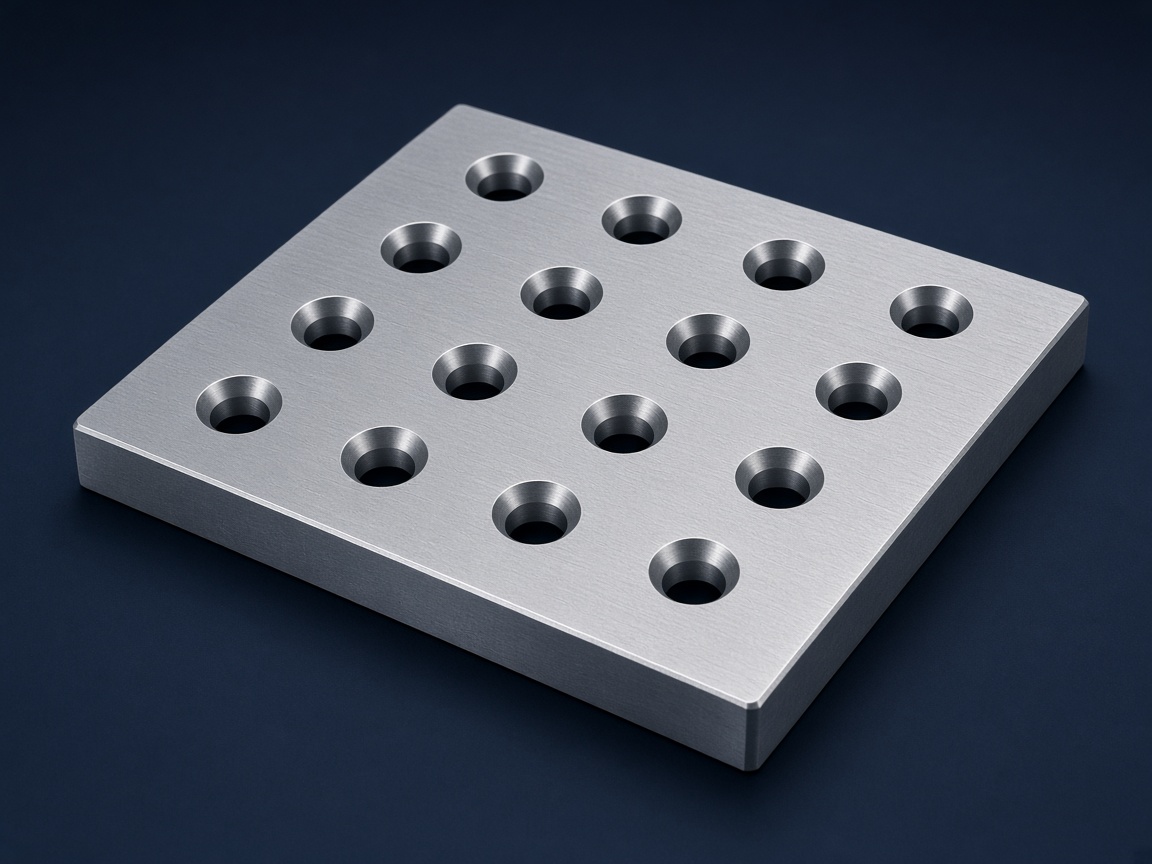
Spot, peck, ream, and tap — usually in the same mill program as the pockets. Call the fit or we drill a clearance.
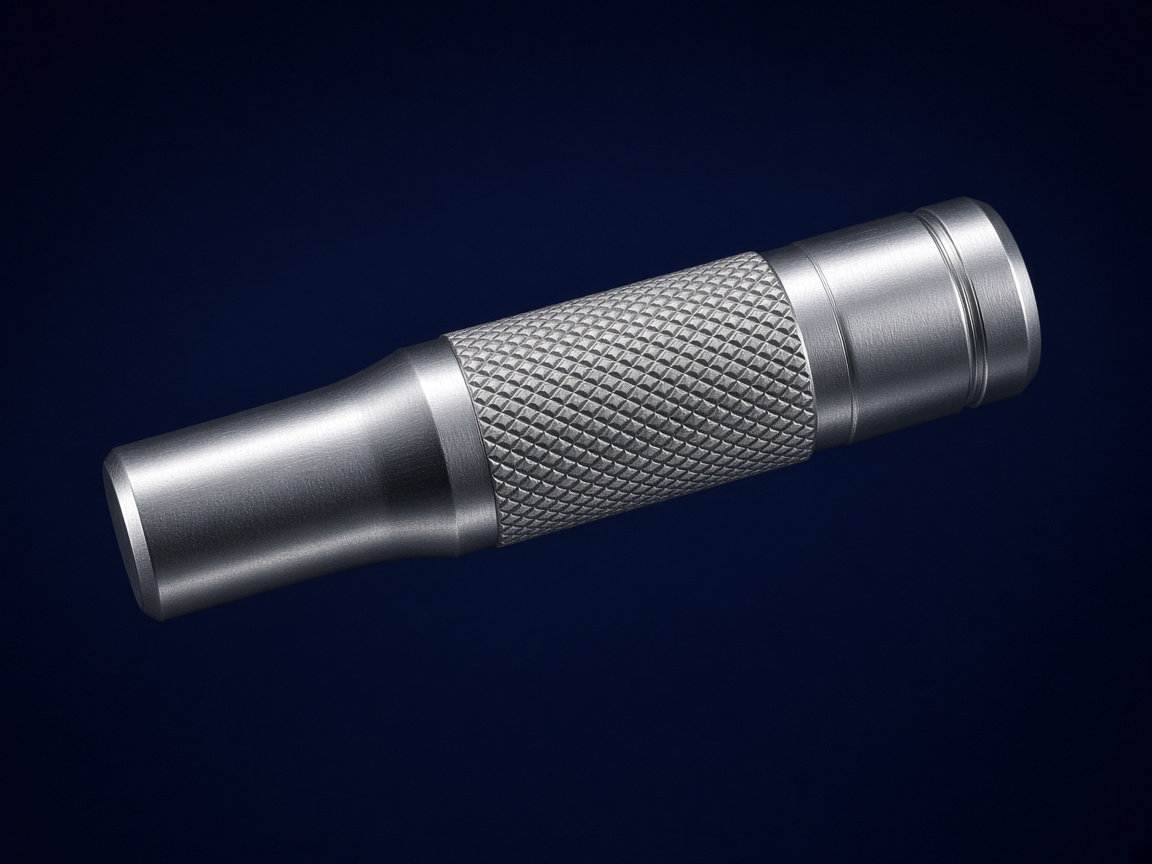
A grip pattern on a turned OD — diamond, straight, or helical. Write an ISO 13444-style callout. “Make it grippy” is not a spec.
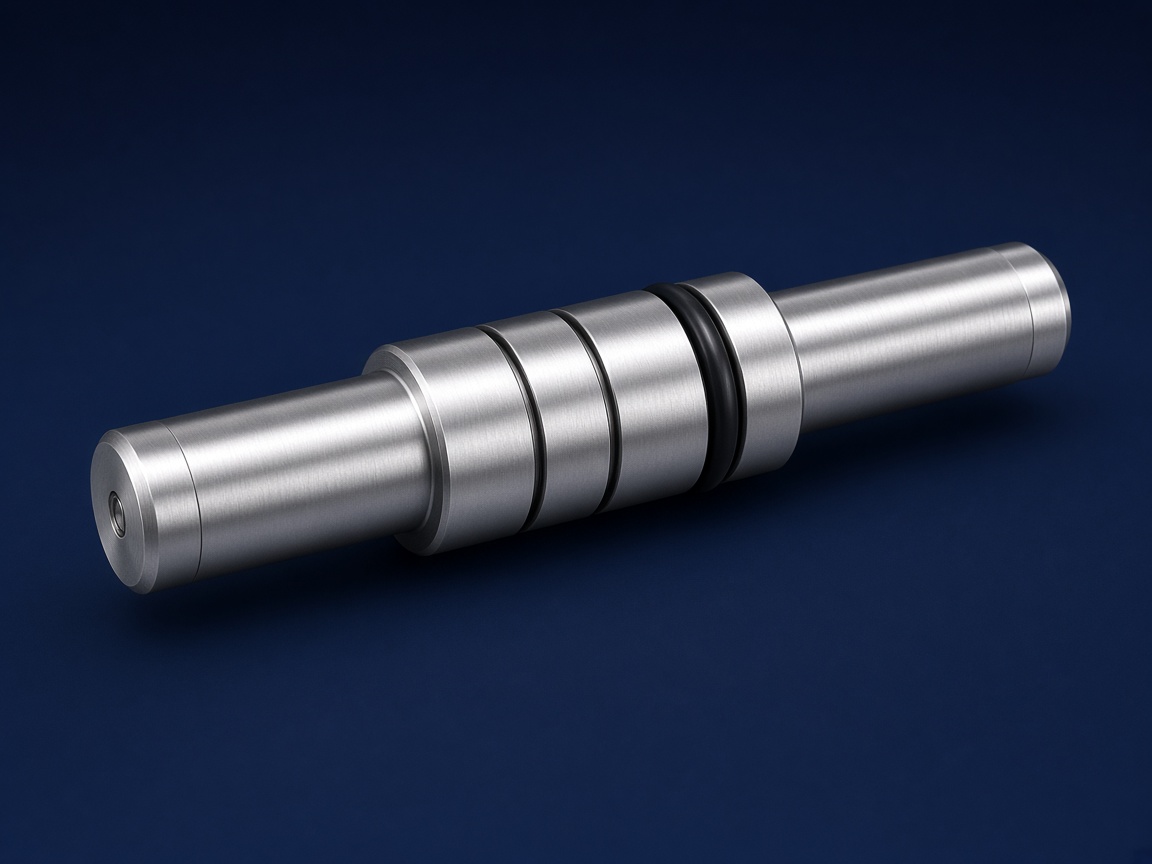
OD, ID, and face grooves for snap rings, O-rings, reliefs, and part-off. Write width, depth, and corner radius.
Formed metal when the yearly number or the constant section makes a die honest. Twenty pieces stay on mill-from-plate or a soft tool. We will not sell steel as theater.
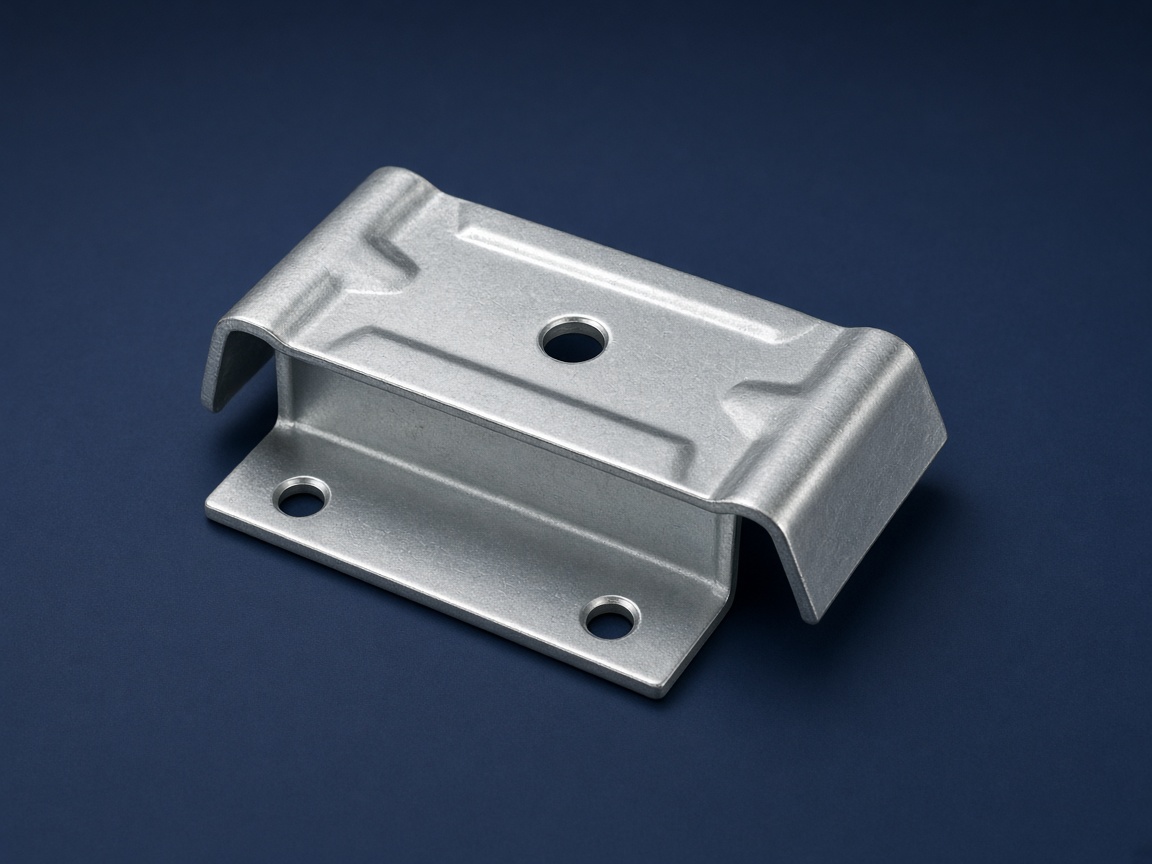
Blank, pierce, bend, and draw. Progressive, transfer, or compound from the strip — not from a brochure photo. A hard die is a line item when the yearly number pays; short lots stay laser-plus-form or mill.
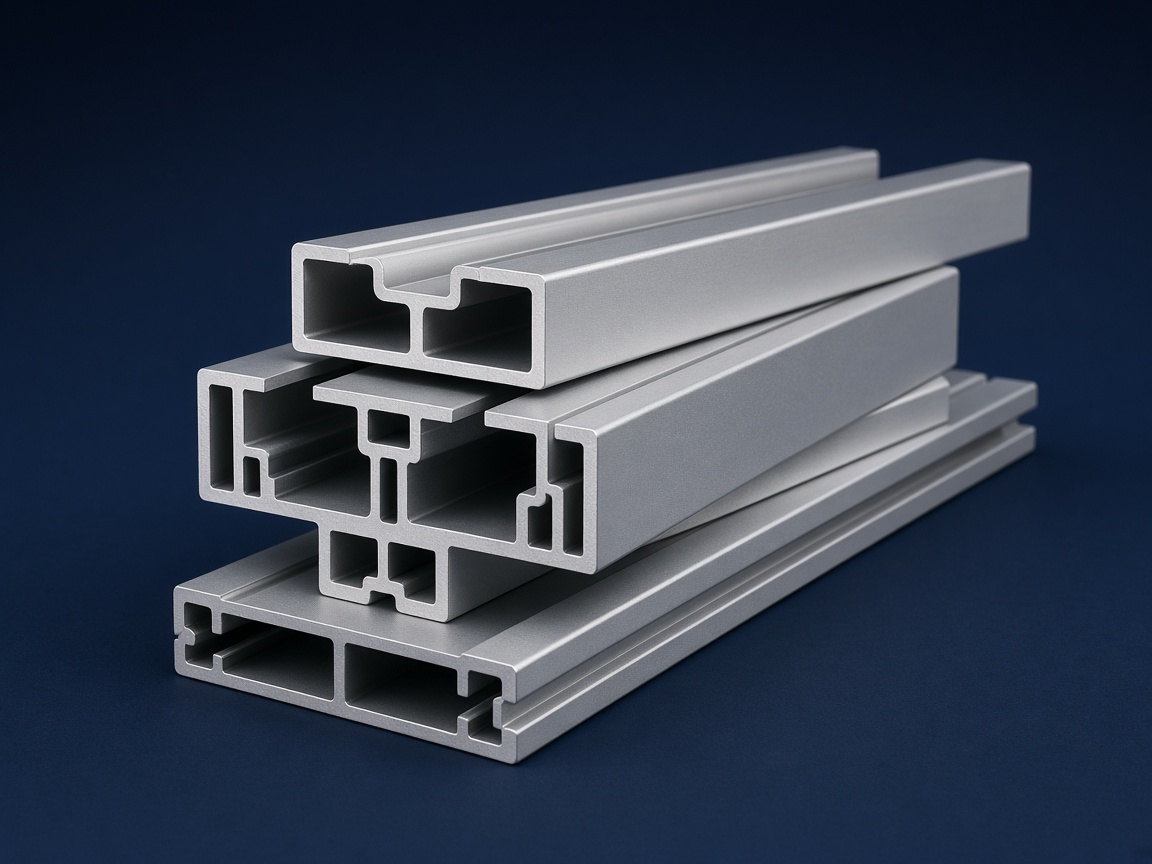
A constant cross-section, cut to length, then drilled or milled where the print needs a feature. Catalog 2020 / 3030 first. A new orifice is steel and a lead. Prototypes mill from plate.
Same inbox as the mills. Rapid tooling is a bridge cavity. Injection molding is the shot conversation. Production tooling is hard steel sized to the yearly number you actually buy.
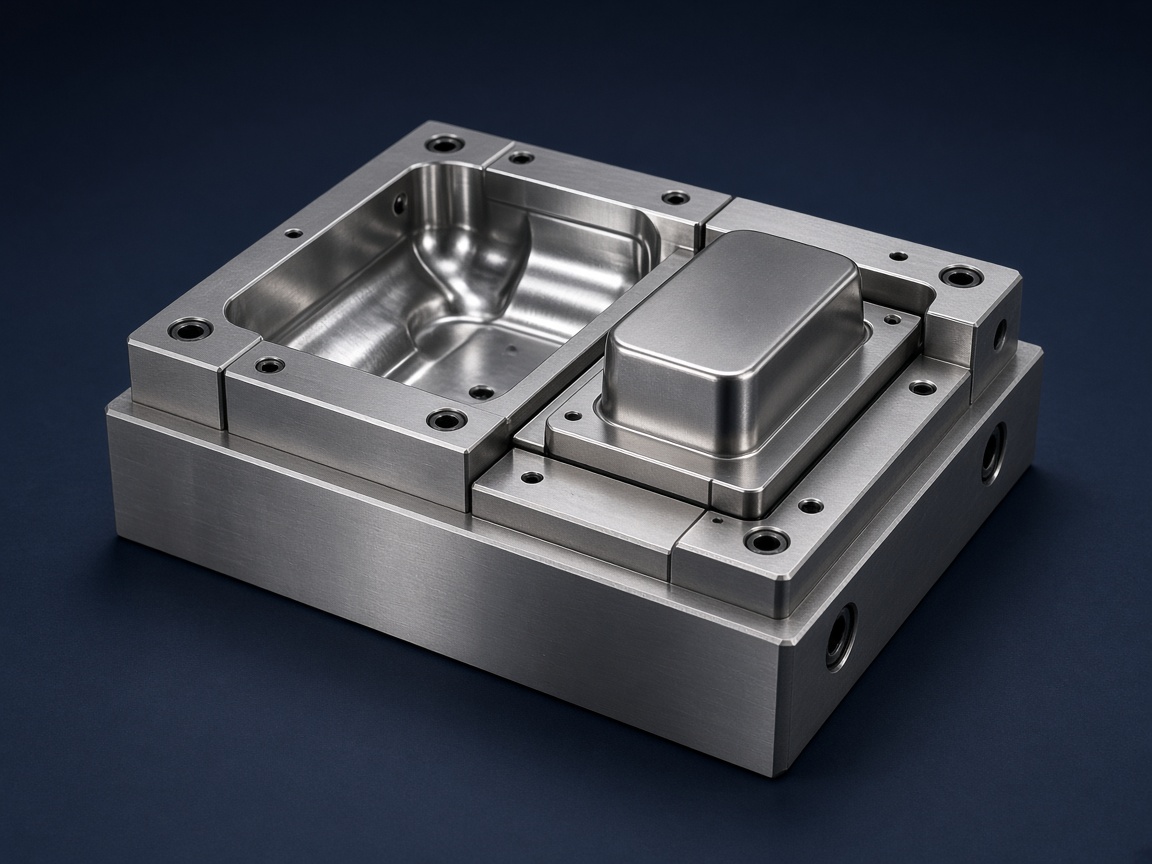
P20, H13, or S136-class cavities. Shot life on the quote. Multi-cavity and hot runner when the number pays. T1 is still a review.
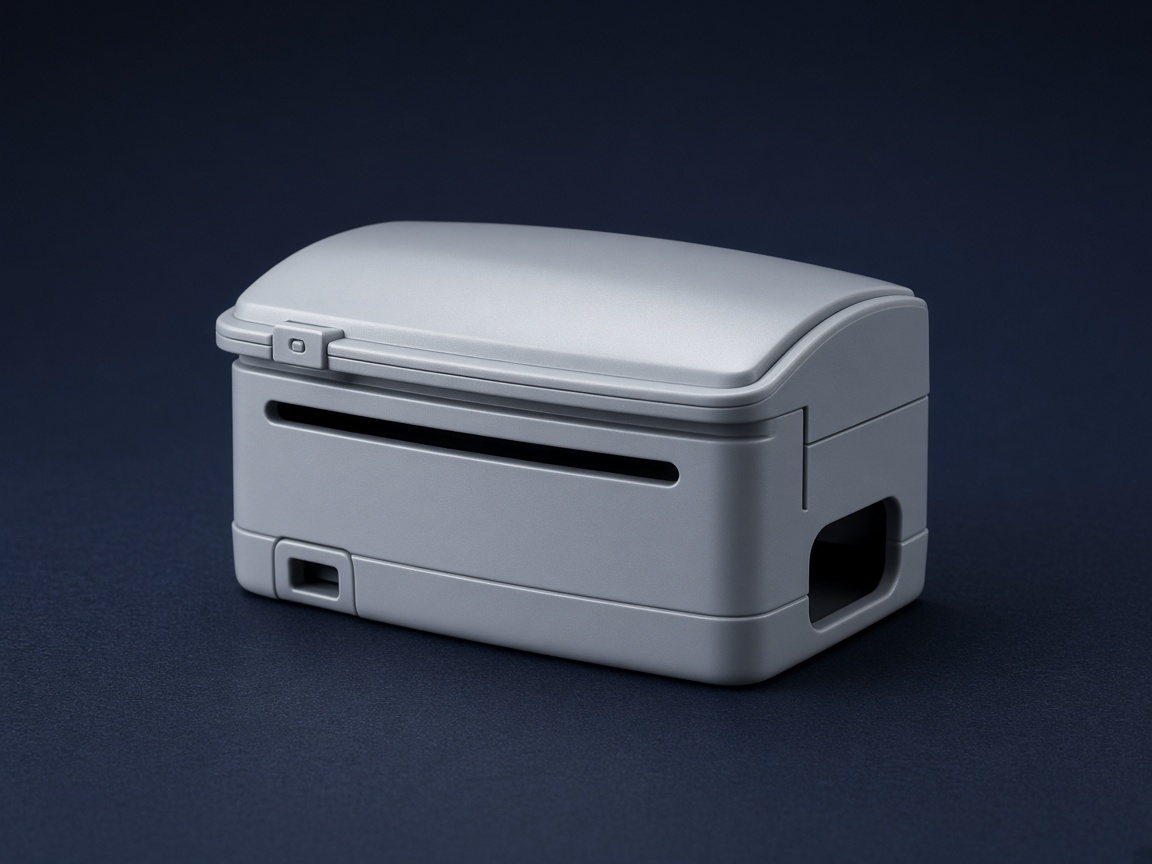
Melt, fill, pack, cool, eject. T1 means shots exist and the list is open. Production means that list is frozen. Named resins — ABS, PC, PP, PA+GF, TPU, POM.
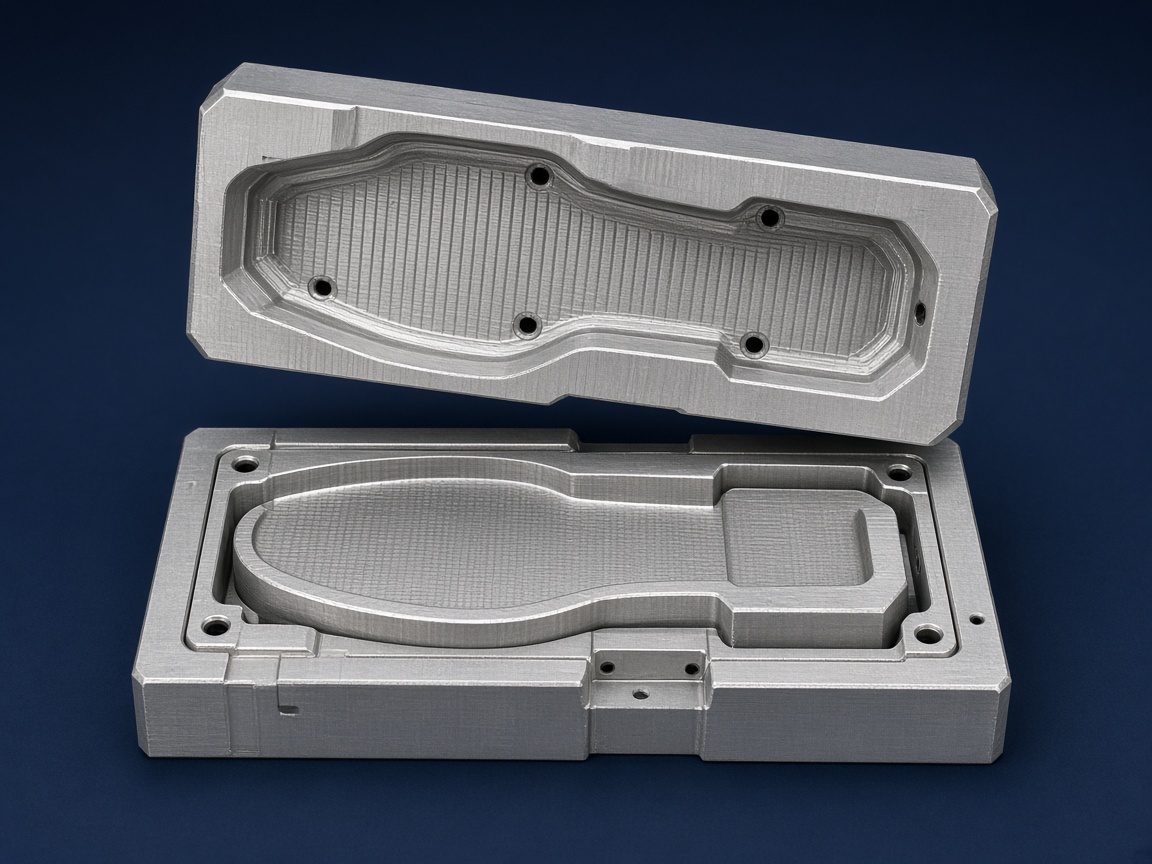
Aluminum or soft-steel inserts so you can shoot real resin before buying hard production steel. Cycle life is quoted, not implied.
Grade pages name the melt. Machining-by-material pages name the cell. 6061 is not 7075. Zamak is not a plating line. Soft resin is not a metal program with the density swapped.
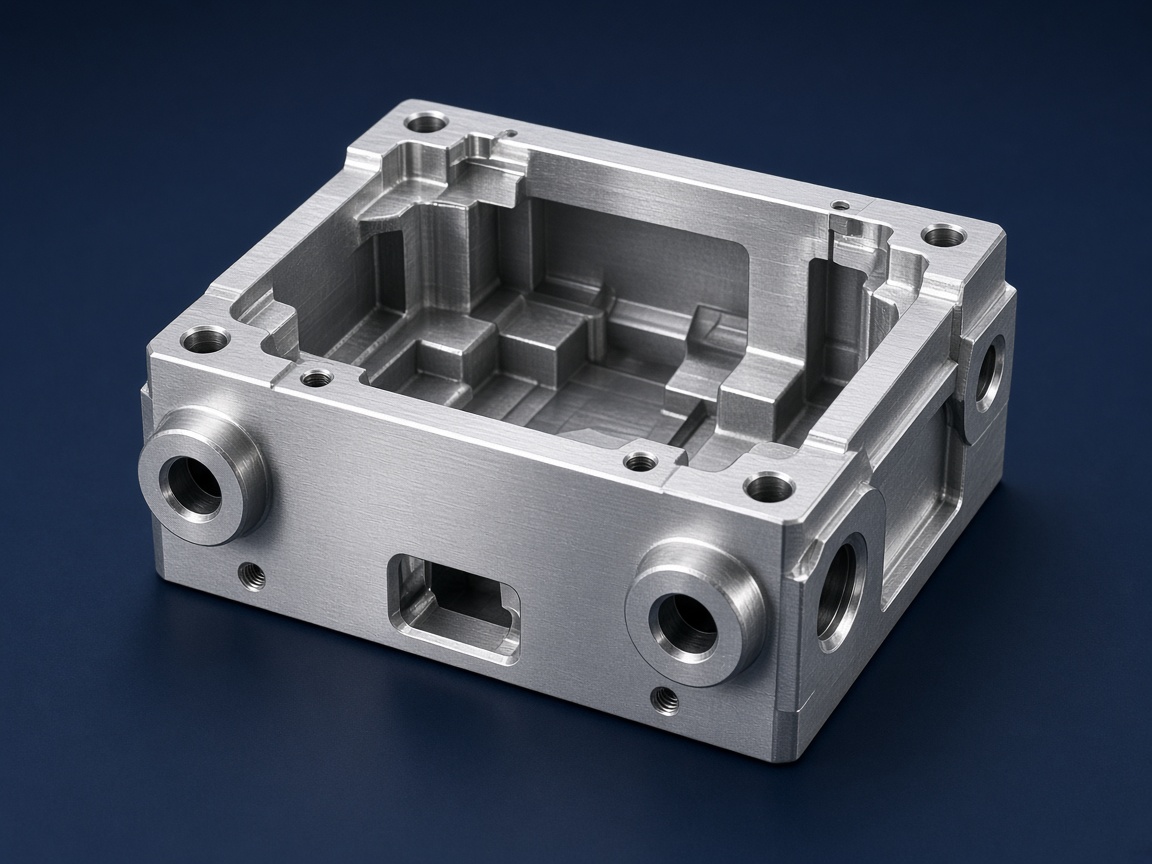
Mill and turn 6061, 7075, and 2024 first. Fast chips. Anodize after the cut when you mark the class. Chemistry lives on the aluminum grade page.
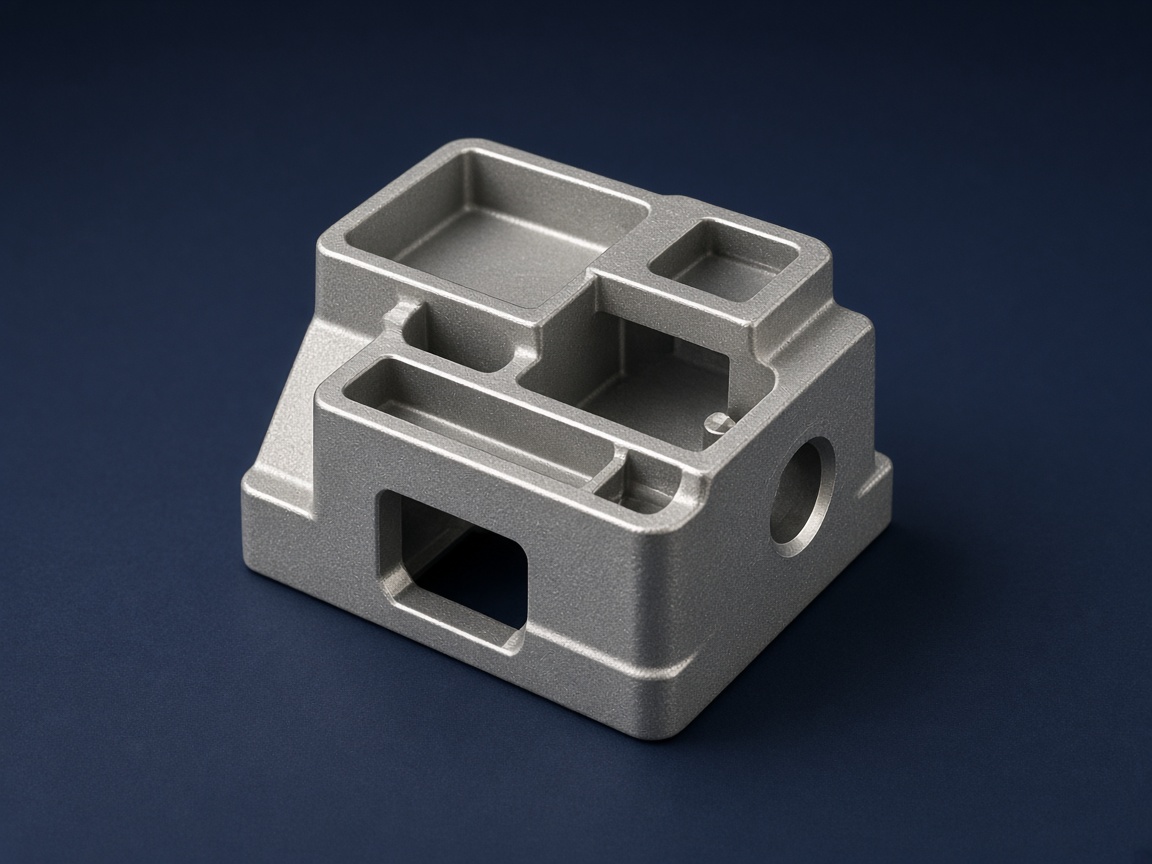
Zamak 3 first, then 5 and 2 when written. Soft stock. Chips smear if you copy an aluminum feed. Not a die-cast foundry page.
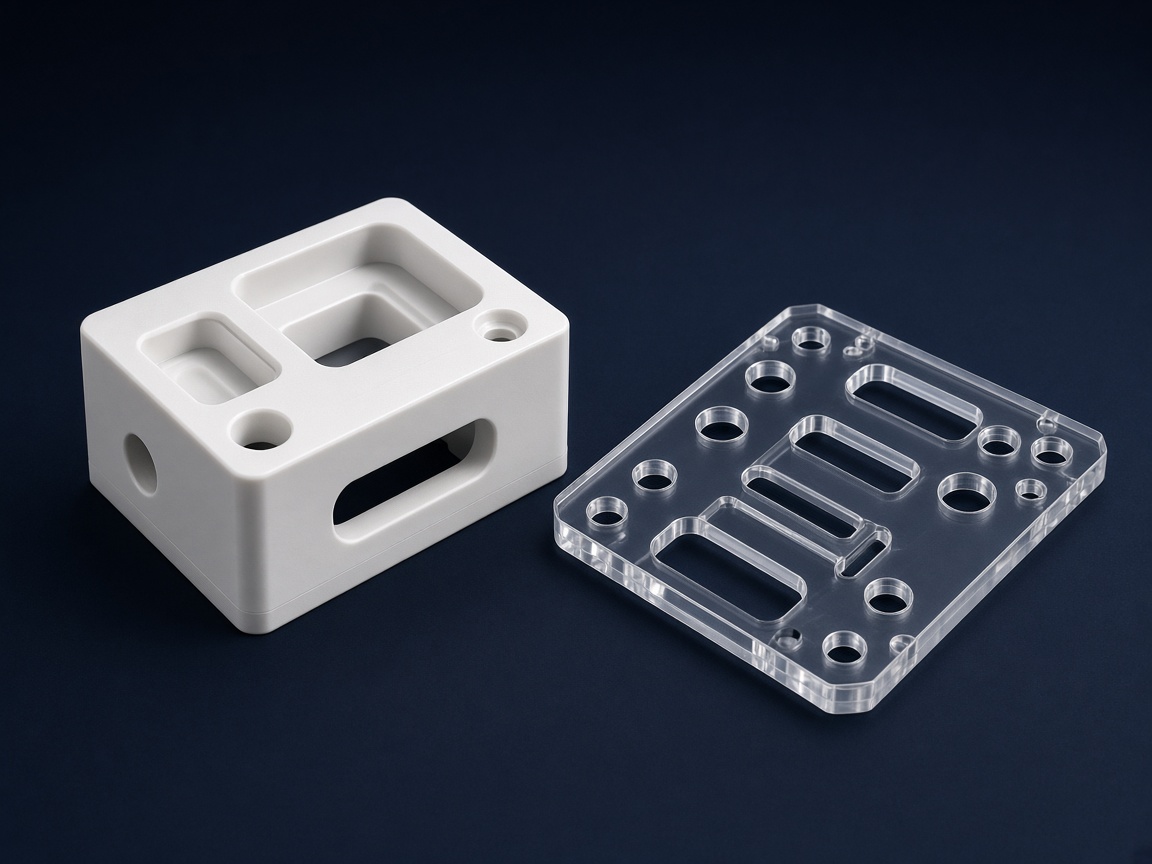
ABS, POM / Delrin, PC, nylon, PEEK, PTFE, acrylic. Clamp and heat decide the feed. A mold is a different conversation.
Sector is a folder name. The drawing is the contract. We do not hang a plaque we do not own, and we do not claim a sector we have not cut.
Plant-floor fixtures, brackets, stamped hardware, molded clips, EV test nests. No borrowed IATF plaque.
Pocketed brackets, fittings, and housings in aluminum, titanium, and stainless when the print is real. No AS9100 theater.
Instrument handles, device housings, fixture nests, PEEK or POM details. Certs when you buy them — not a device registration.
Housings, heat sinks, connector plates, shields. A metal box is not a certified Faraday cage unless you wrote that test.
Joint housings, pocketed frames, end-effectors, and nests that locate an arm. We do not certify a payload we did not run.
Machine frames, guards, shafts, wear parts, and fixtures. We will not reverse a spare from a phone photo if a solid exists.
No customer account. A Bluesky Tooling engineer opens the pack from disk and replies with process, price, and timing. A screenshot gets a question; a complete pack gets a number.
Upload STEP, SolidWorks, STL, DXF, or PDF on Get a Quote. Name the grade, quantity, and three balloons. Files land in the inbox directory — not in anyone’s mailbox.
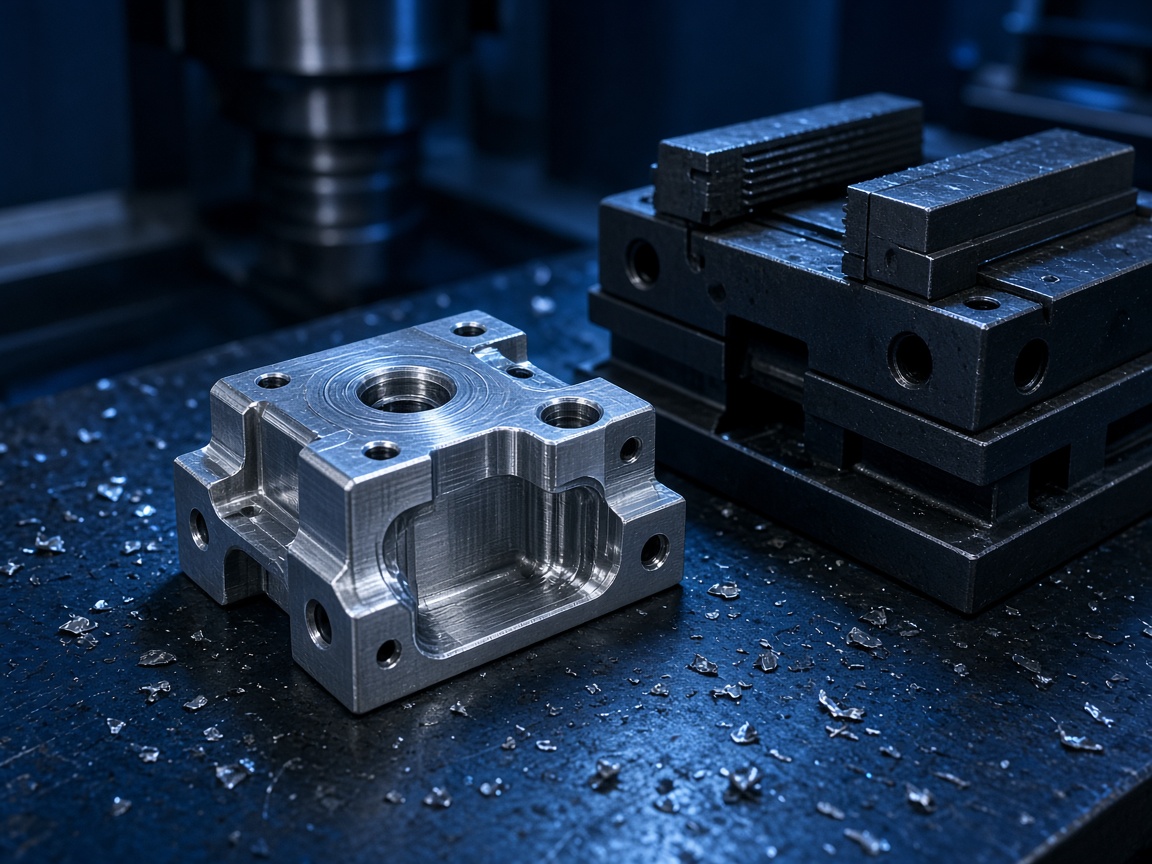
After you confirm, the mill, lathe, press, or tool build starts. Status stays in the same inbox (new → reviewing → quoted). DFM notes travel with the price.
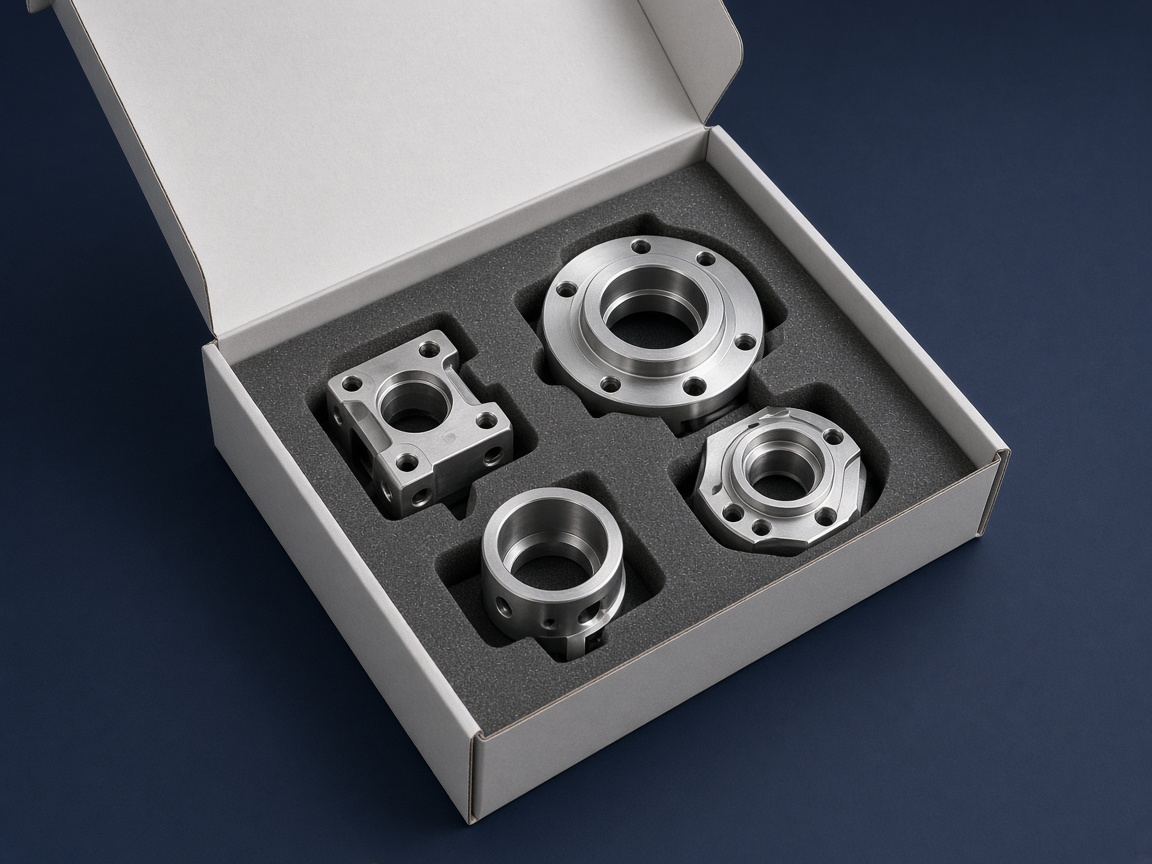
Inspected to the balloons you bought, packed, and shipped to the address on the quote. Cosmetic faces only if you marked them.
Original Bluesky Tooling stills — navy studio, silver metal. No borrowed factory photography, no client marks.
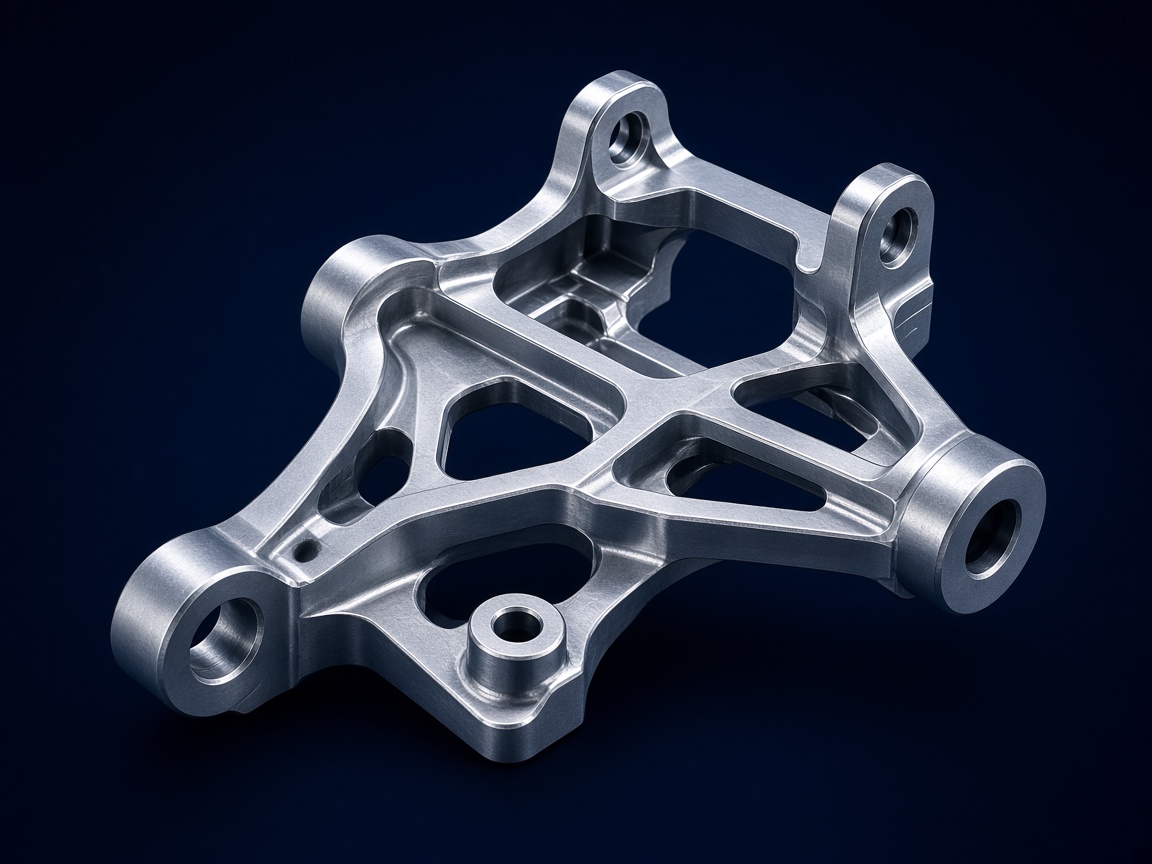 5-axis milling
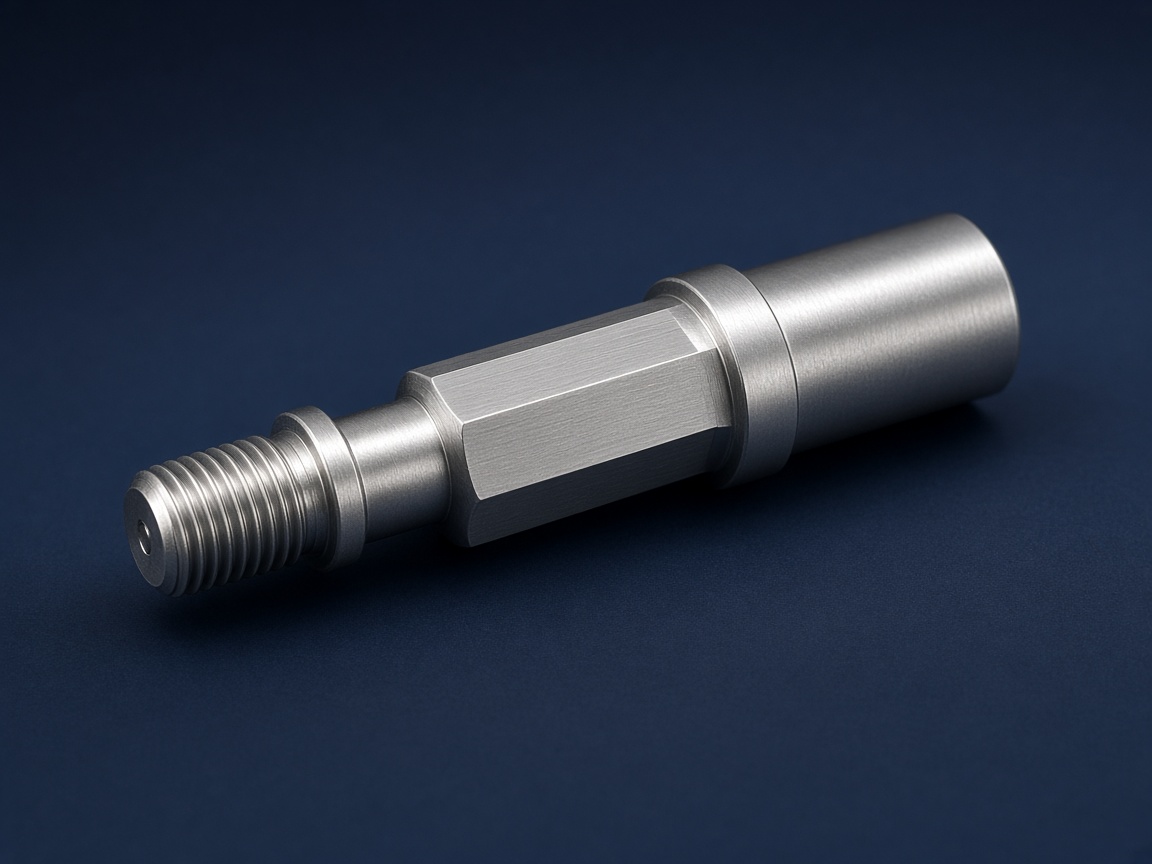 Turning & mill-turn
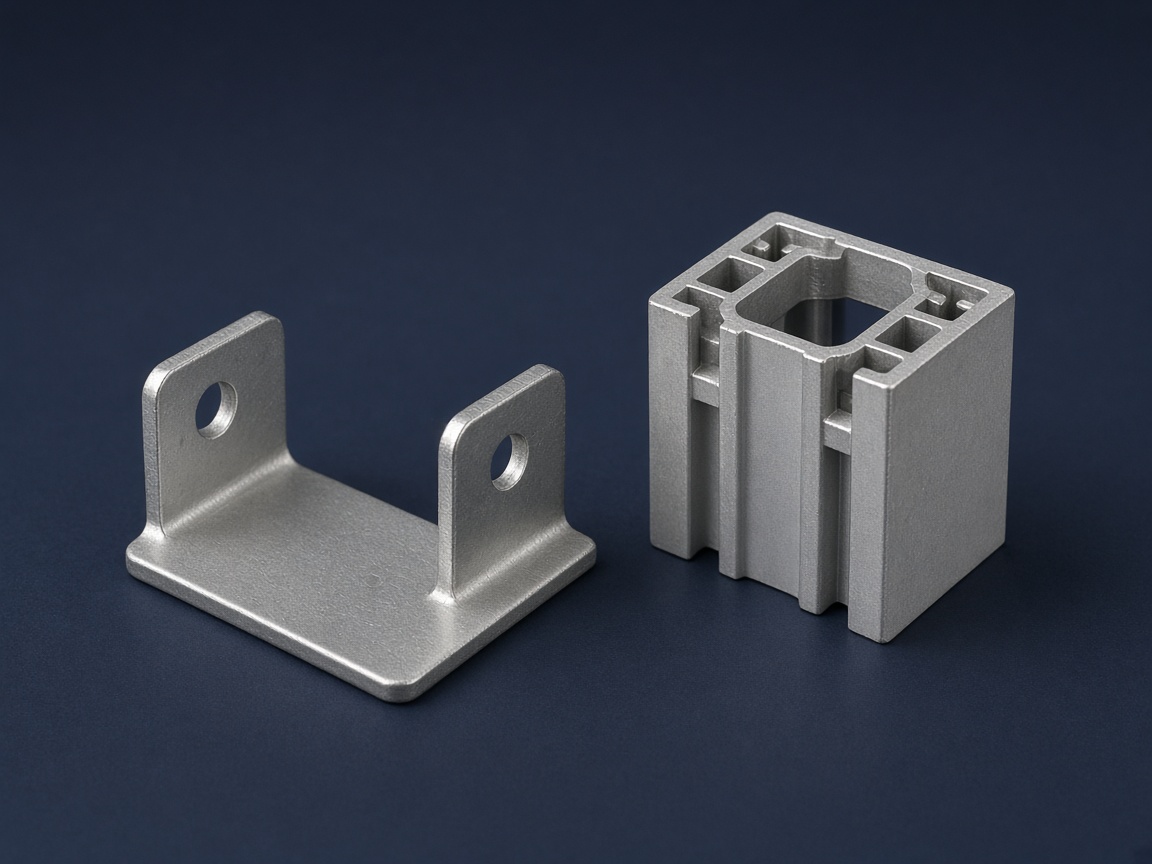 Stamp & extrusion
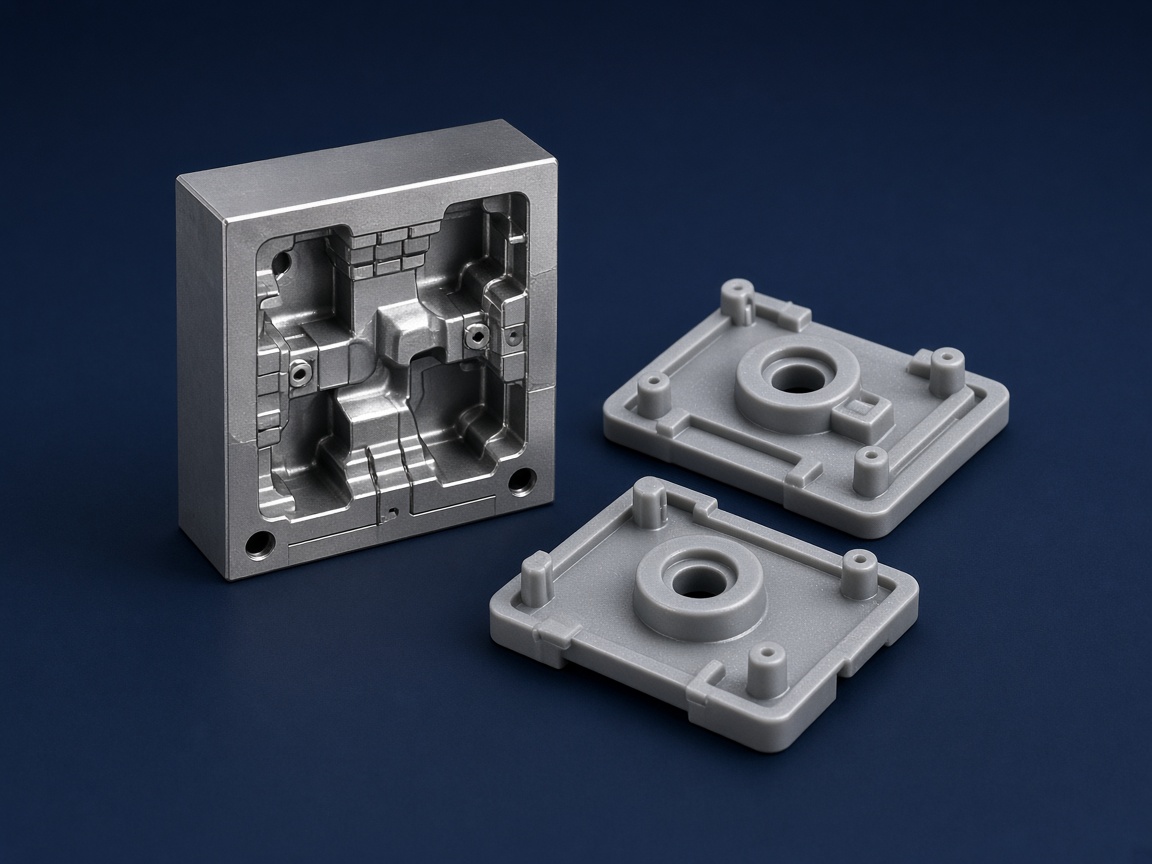 Tool tryout
The same write-ups we use on quotes. Original desk copy — not a scraped magazine.
A solid we can open plus a PDF with material, quantity, finish, and the three balloons you will measure.
Fine is not free on every edge. Write the class; balloon the criticals. The print still wins.
Steel is cut and shots exist. The dimension list is not frozen. Plan the review.
Upload the drawing pack on Get a Quote. Bluesky Tooling staff open it from disk and reply with process, price, and timing.