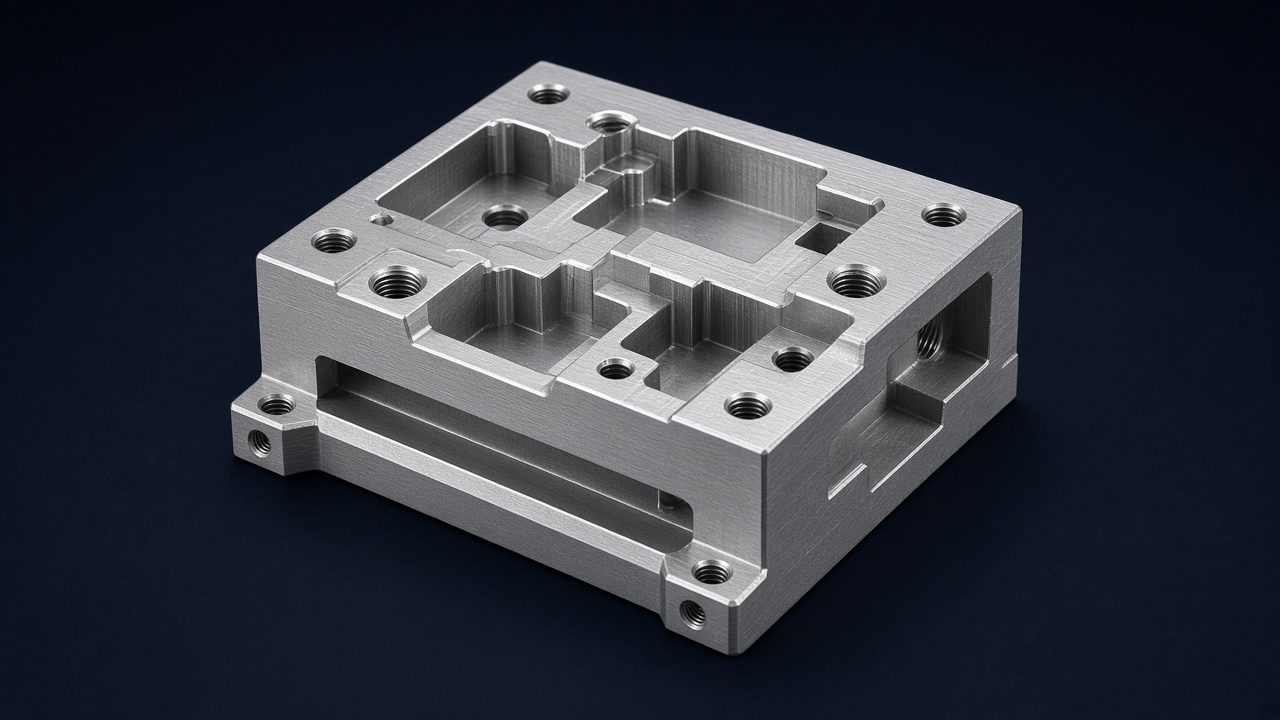
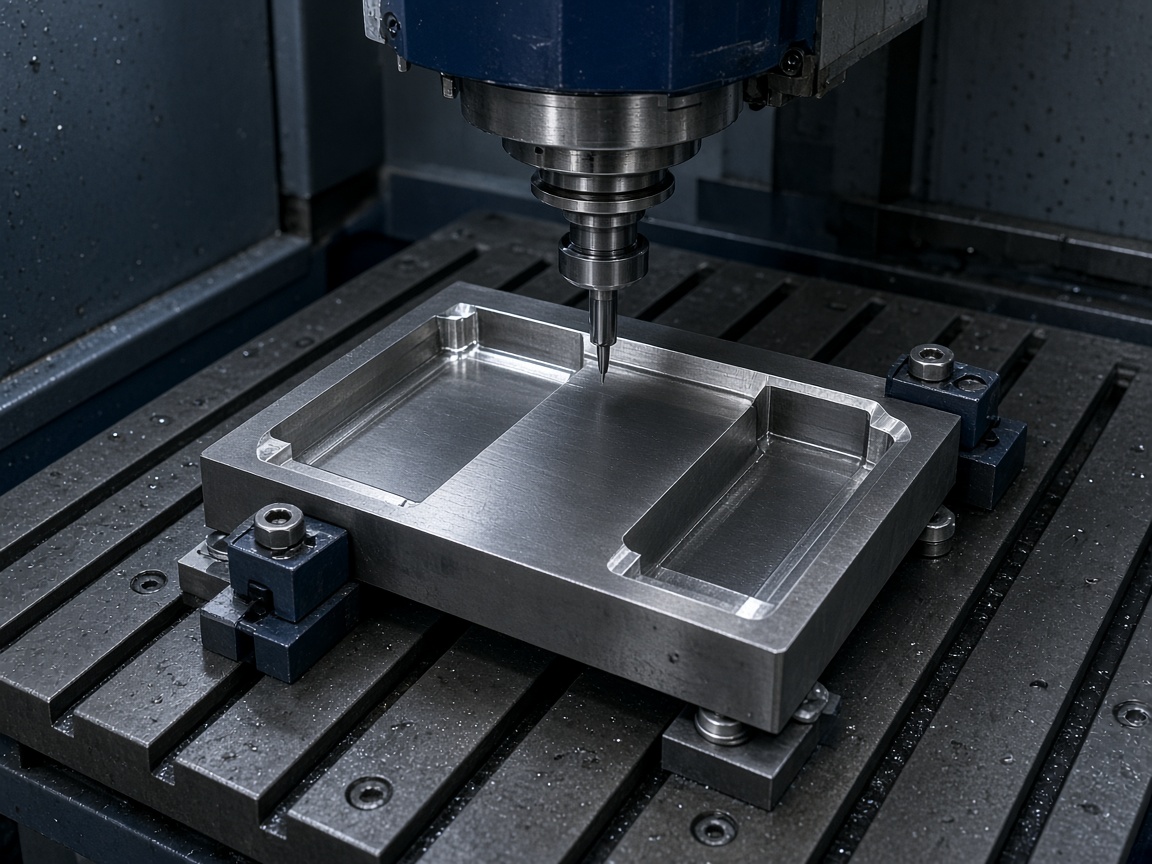
3-axis milling
X, Y, Z. Prismatic pockets, faces, bosses, and hole patterns when one clamp covers the print. First pick for plates, covers, and fixture nests.
Typical: industrial equipment, electronics plates, consumer housings.

Capabilities
The spindle moves; the part stays clamped. Bluesky Tooling mills pockets, 3D surfaces, and multi-face prismatic work on 3-axis, 4-axis, 3+2, and full 5-axis cells. Name the grade. Balloon the band. Uploads stay on this server.
Pick the cell that covers the print in one clamp when a second setup would stack error. 3+2 is indexed 5-axis — useful when you need faces, not continuous contour.
X, Y, Z. Prismatic pockets, faces, bosses, and hole patterns when one clamp covers the print. First pick for plates, covers, and fixture nests.
Typical: industrial equipment, electronics plates, consumer housings.
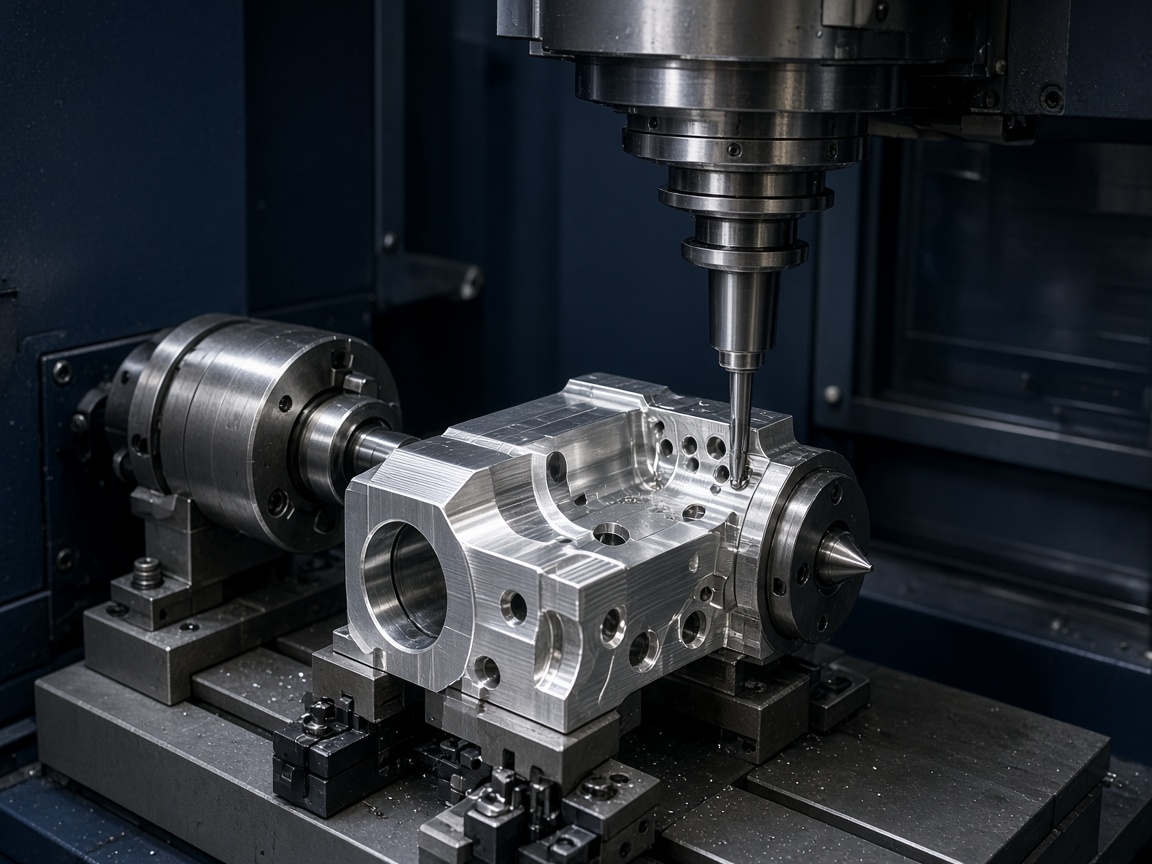
A rotary axis so we can reach a side face or radial holes without losing the first datum. Cheaper than a 5-axis cell when one rotation is enough.
Typical: automotive brackets, medical housings, angled ports.
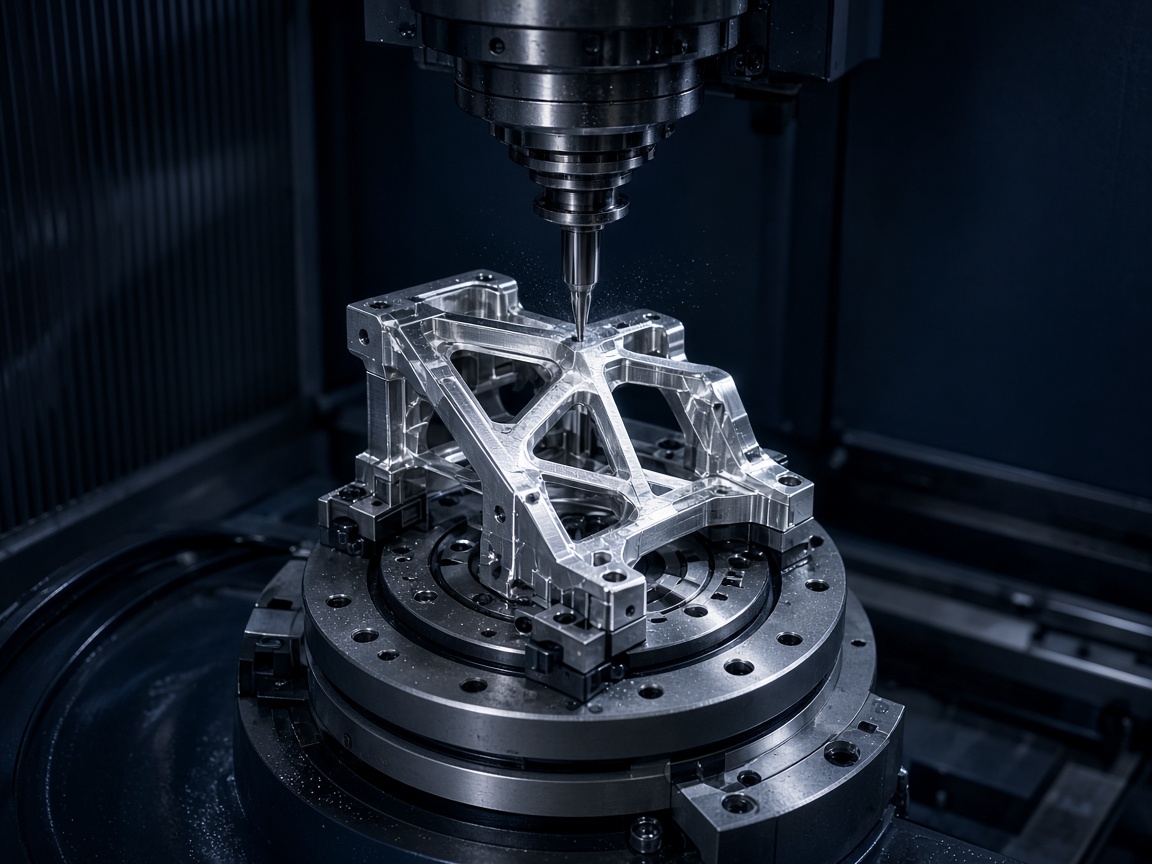
Two rotary axes. Continuous 5-axis for compound surfaces; 3+2 when we index, lock, and cut. We use it when a second clamp would stack error — not as theater.
Typical: aerospace-adjacent brackets, robotics joints, mold cores.
Print wins. These are shop talk numbers — not a brochure claim of ±0.005 mm on every edge.
| Cells | 3-axis, 4-axis, 3+2 indexed, continuous 5-axis |
|---|---|
| Work envelope | Standard mills cover most housings and plates (about 800 × 500 × 400 mm). Larger asked on the quote. |
| Wall talk | About 0.8 mm metals / 1.5 mm plastics when geometry allows |
| Linear talk | ±0.05 mm general; tighter when ballooned and purchased |
| Minimum feature | About 0.5 mm or Ø 0.50 mm when the tool and stock allow |
| Cavity talk | Depth about 4× width before we talk a longer tool or EDM |
| As-machined | Typically Ra 3.2 μm or better unless a cosmetic face is marked |
| Threads | As a written standard (metric or UN). “Tap here” is not a spec. |
| Files | STEP, IGES, SLDPRT, DXF, PDF — disk only |
Face, plane, angular, and form — picked from the geometry, not from a brochure name.
Tool axis square to the face. Cleans a datum or a pad before the pockets start.
Side of the cutter for slots, shoulders, and bulk stock. First choice when a lot of metal has to leave.
A set angle that is not square to the table — dovetails, chamfer planes, or a 4-axis tilt.
Ball or bull-nose on a surface the print actually calls. 5-axis when a 3-axis scallop would lie.
More axes are not automatically better. They cost more to program and to run.
| 3-axis | 4-axis | 5-axis / 3+2 | |
|---|---|---|---|
| Motion | X Y Z | Plus one rotary | Two rotary — indexed or continuous |
| Best for | Plates, boxes, one-face pockets | Side holes, one tilt | Compound faces, fewer clamps |
| Limit | Undercuts and far sides need a flip | Still one rotary | Quoted only when the print needs it |
| Lead talk | Usually the fastest cell | A bit more CAM | More CAM; still one inbox |
No account. Files stay on this server and open only in the staff inbox.
Upload the pack on Get a Quote. Nothing is mailed.
After you confirm, the cell starts. We will say if turn or EDM is cheaper.
Inspected to the balloons you bought, packed to the quote address.
We will flip a 3-axis job if that is cheaper. We keep 5-axis when a second datum would lie.
6061 is not 7075. Zamak is not “zinc-ish.” The PDF wins.
STEP and PDF land in uploads/quotes. Staff only. Never SMTP.
A shaft belongs on a lathe. A hardened cavity may belong on EDM. The quote says so.
Metals we cut every week, plus zinc and copper when you write them. Plastics are a different feed and clamp — see also /plastic-cnc-machining/.
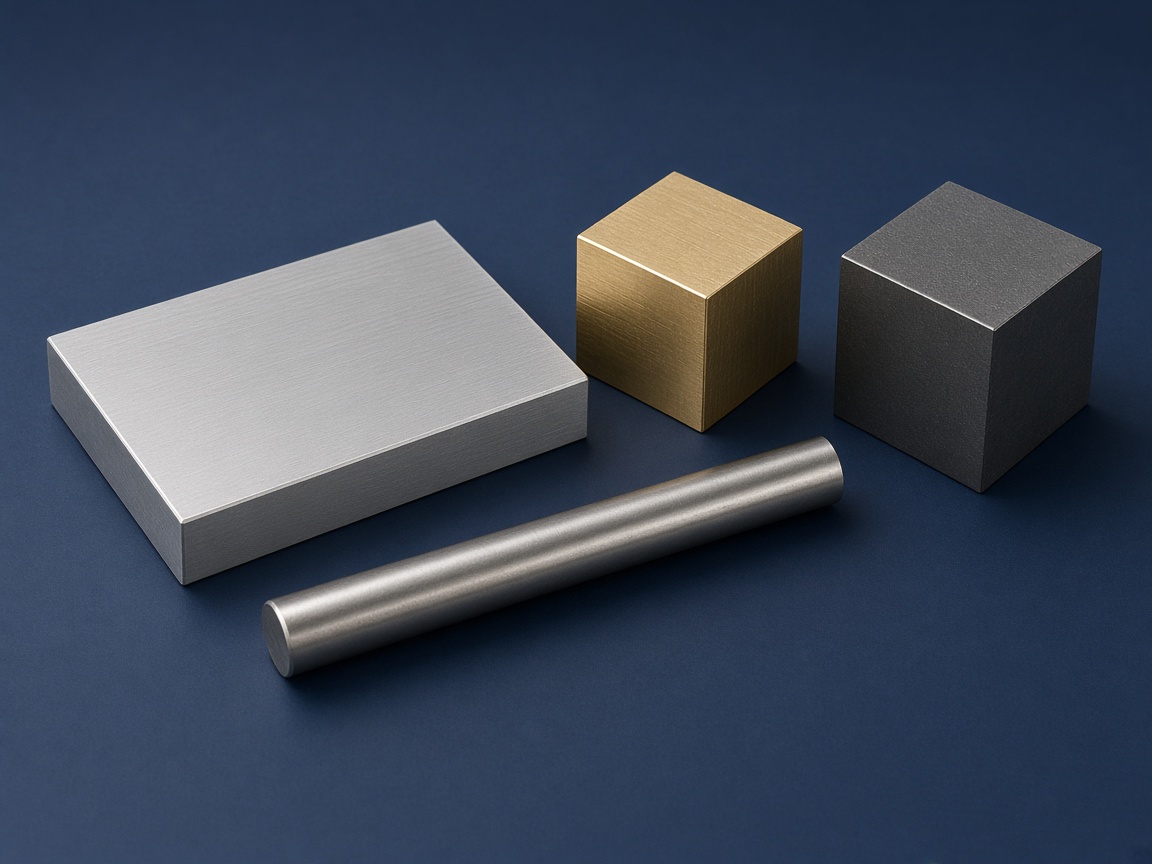
Unmarked faces stay functional. Cosmetic faces must be drawn.
Default. Tool marks stay. Typical Ra 3.2 μm talk.
Even matte before anodize or as a look of its own.
Aluminum Type II / III. Dye is a range, not a Pantone.
After hardware rules are clear. Film is thickness.
Marked faces only. Not a free mirror on the whole part.
Ferrous only. Mild protection, low shine.
| Situation | Honest pick | Not this |
|---|---|---|
| Box, pocket, 3D face | Milling | Turning |
| Shaft OD / ID first | Turning | Milling a round from plate |
| Blind cavity after harden | Sinker EDM | Forcing a mill |
| Through 2D in hard stock | Wire cut | Milling |
| Mixed OD + flats | Turn-mill | Two stacked setups |
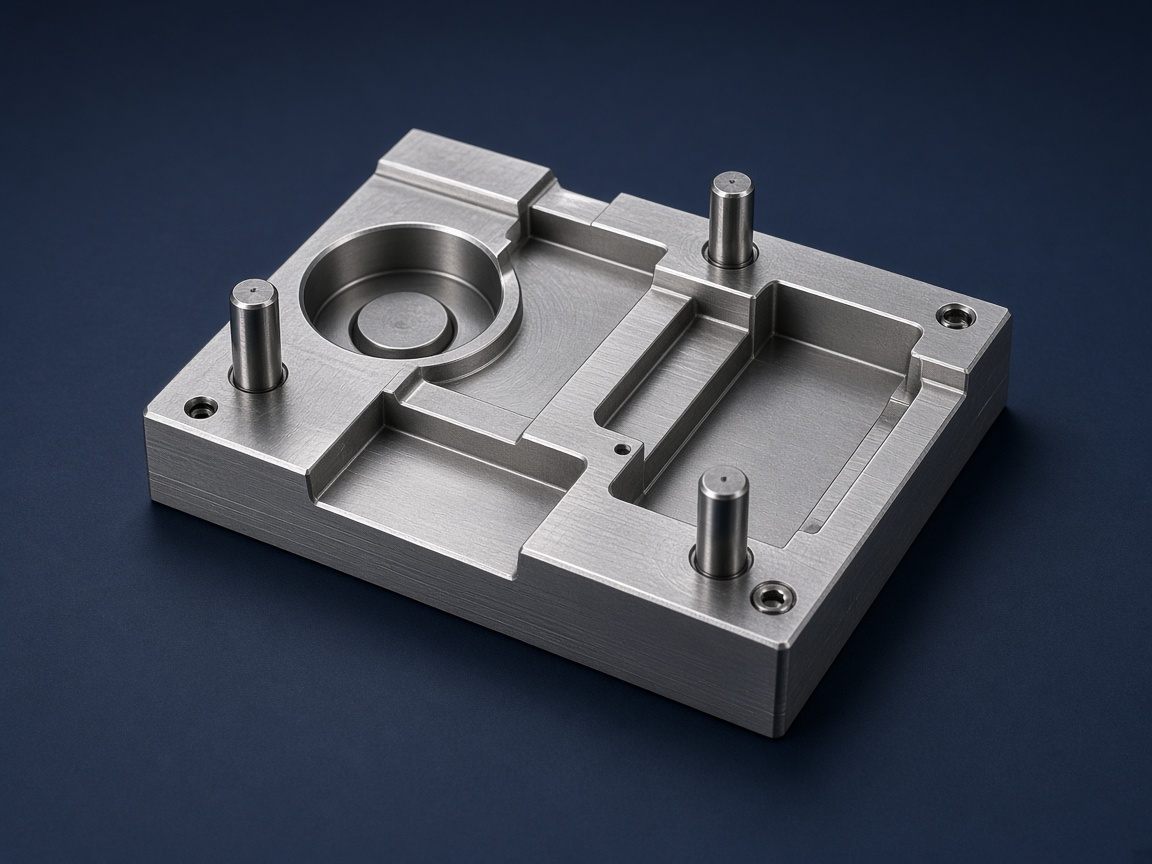
Repeating datums for inspection or assembly. The nest is the product.
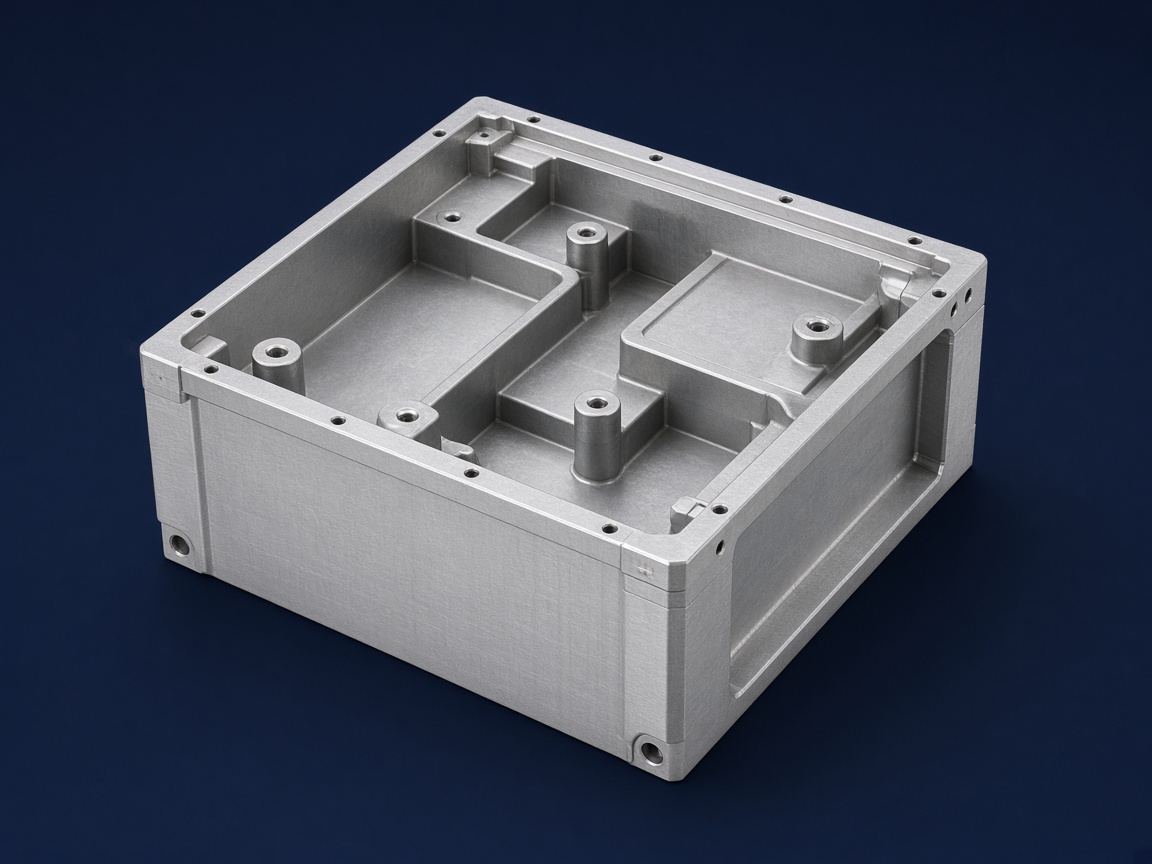
Prismatic boxes, pump covers, gearbox plates. Automotive-adjacent brackets when the print is real.
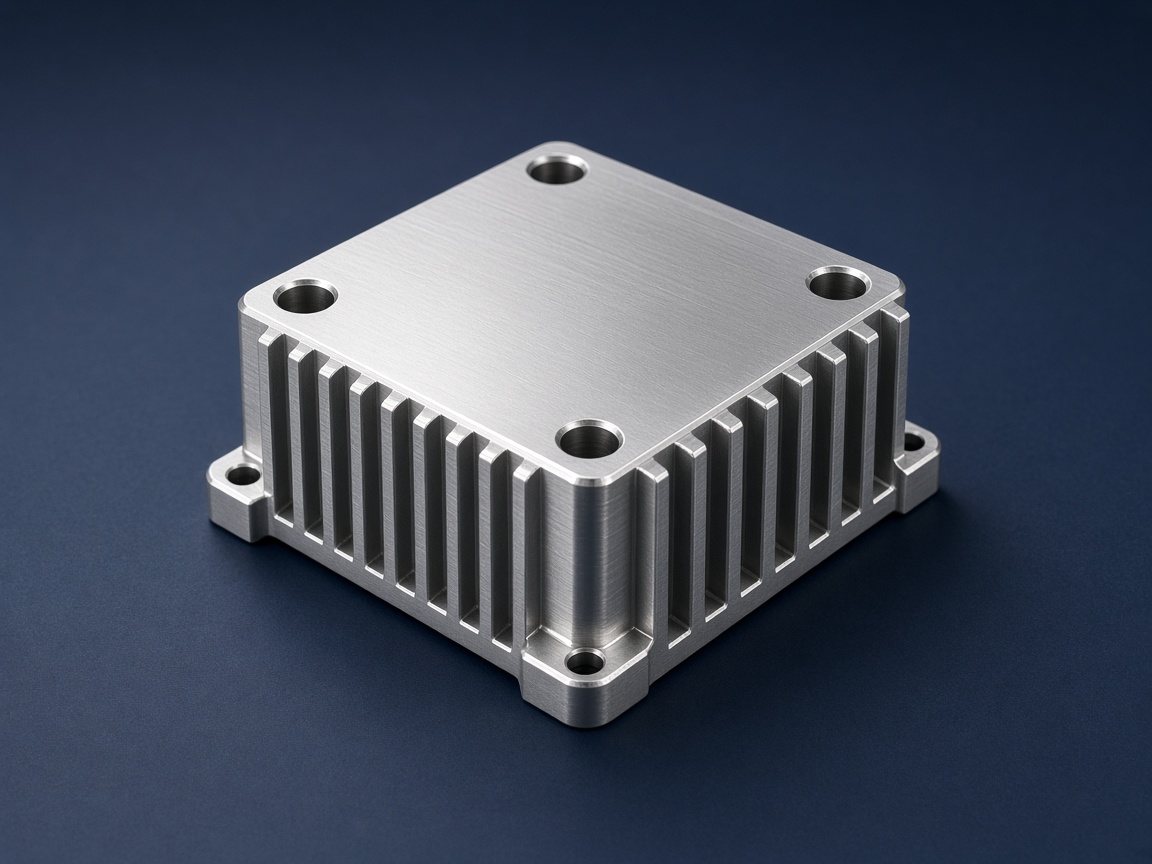
Heat-sink plates, enclosures, and 5-axis brackets. Medical housings when you buy the inspection.
A cutter has a radius. Sharp internal corners are an EDM conversation or a relief.
0.8 mm metal / 1.5 mm plastic is talk, not a promise on a 200 mm tall rib.
Past about 4× width we will talk a longer tool, a split, or EDM.
Write the standard and the pair. Plate after a fit changes the hole.
We work to the band on your drawing. If you write nothing, we say which shop default we used.
| General talk | ISO 2768-style when you write the class. Metals vs plastics are different conversations. |
|---|---|
| Threads | Metric or UN as a standard — not “tap here.” |
| Inspection | Balloons you marked. CMM / FAIR are line items. |
| Cosmetic | Show faces marked. Unmarked stay functional. |
| Files | Disk only — never emailed. |
STEP plus a PDF. Files stay on the Bluesky Tooling server and open only in the staff inbox.