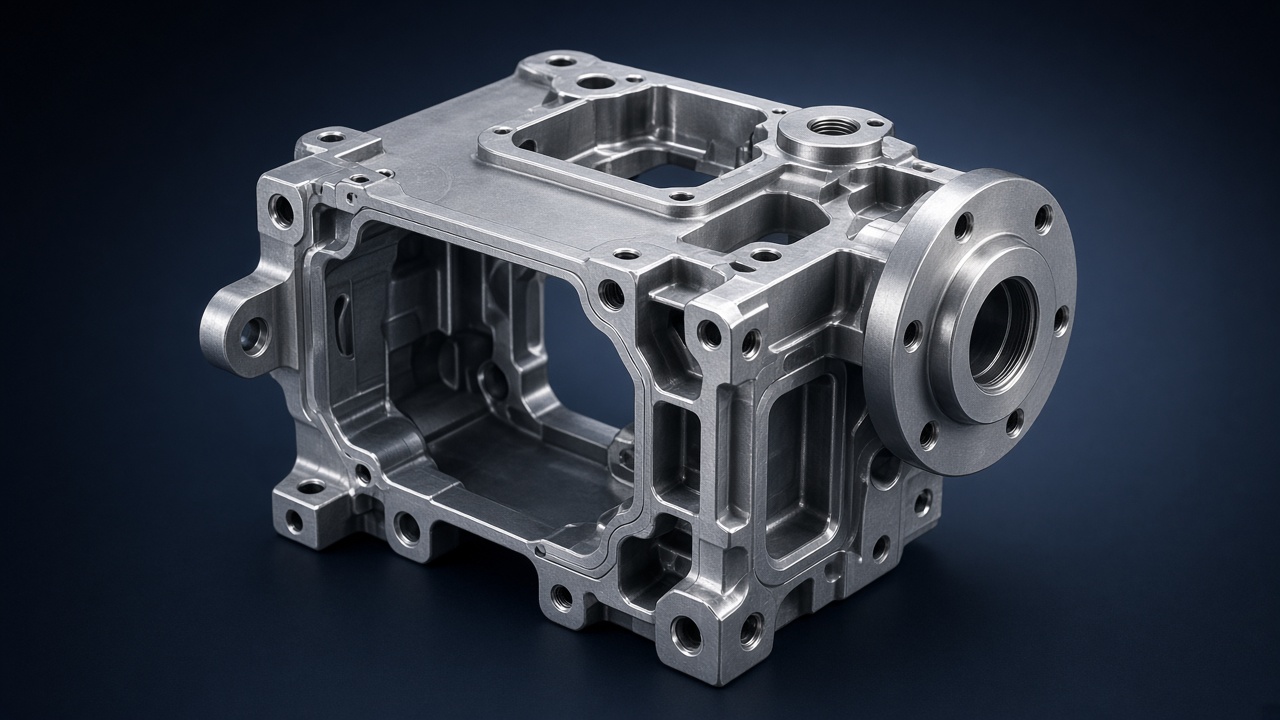
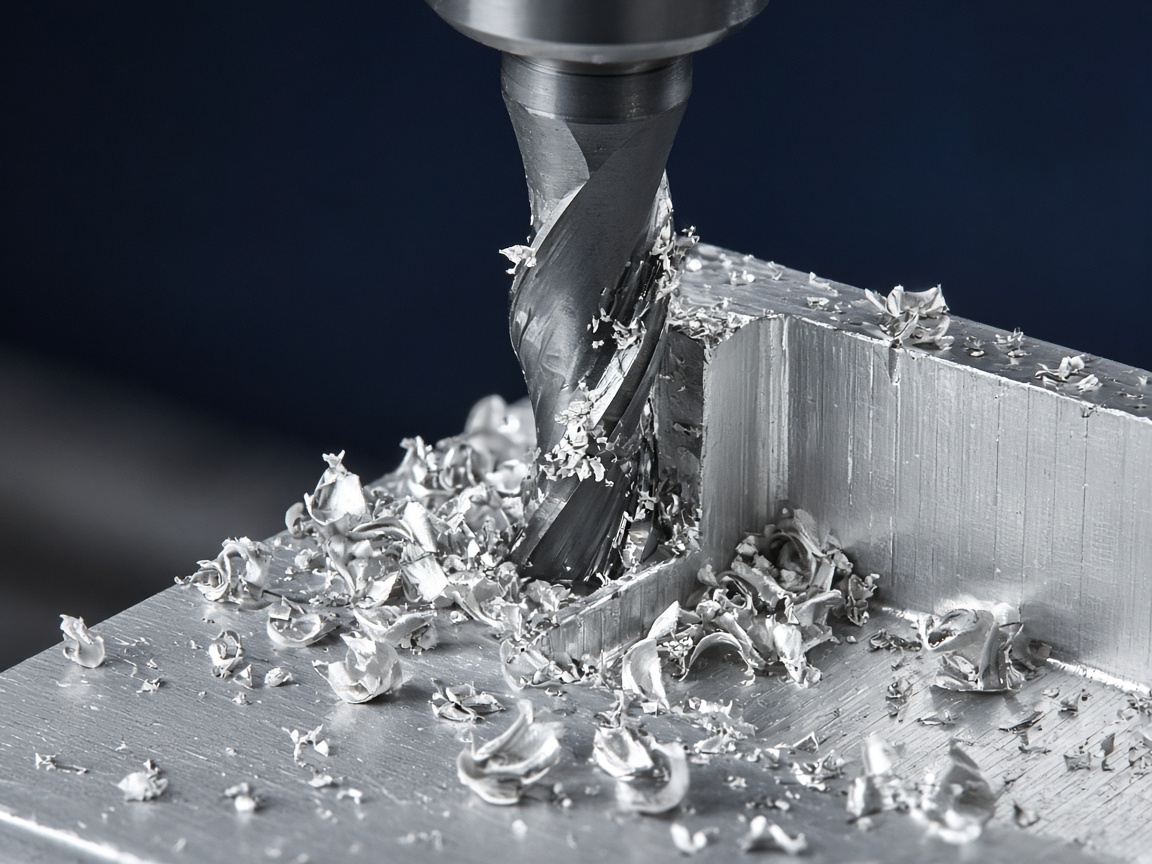
CNC milling
The spindle moves; the part stays clamped. Pockets, 3D faces, and multi-face boxes on 3-axis, 4-axis, 3+2, and 5-axis cells.

Capabilities
A computer drives the cutter. Your solid and PDF drive the program. Bluesky Tooling mills prismatic work, turns shafts, mill-turns mixed geometry, and Swiss-turns slender bar when L/D would chatter on a chuck. Name the grade. Balloon the band. Uploads stay on this server.
Geometry picks the cell — not a brochure name. Open the child page when you already know the route.
The spindle moves; the part stays clamped. Pockets, 3D faces, and multi-face boxes on 3-axis, 4-axis, 3+2, and 5-axis cells.
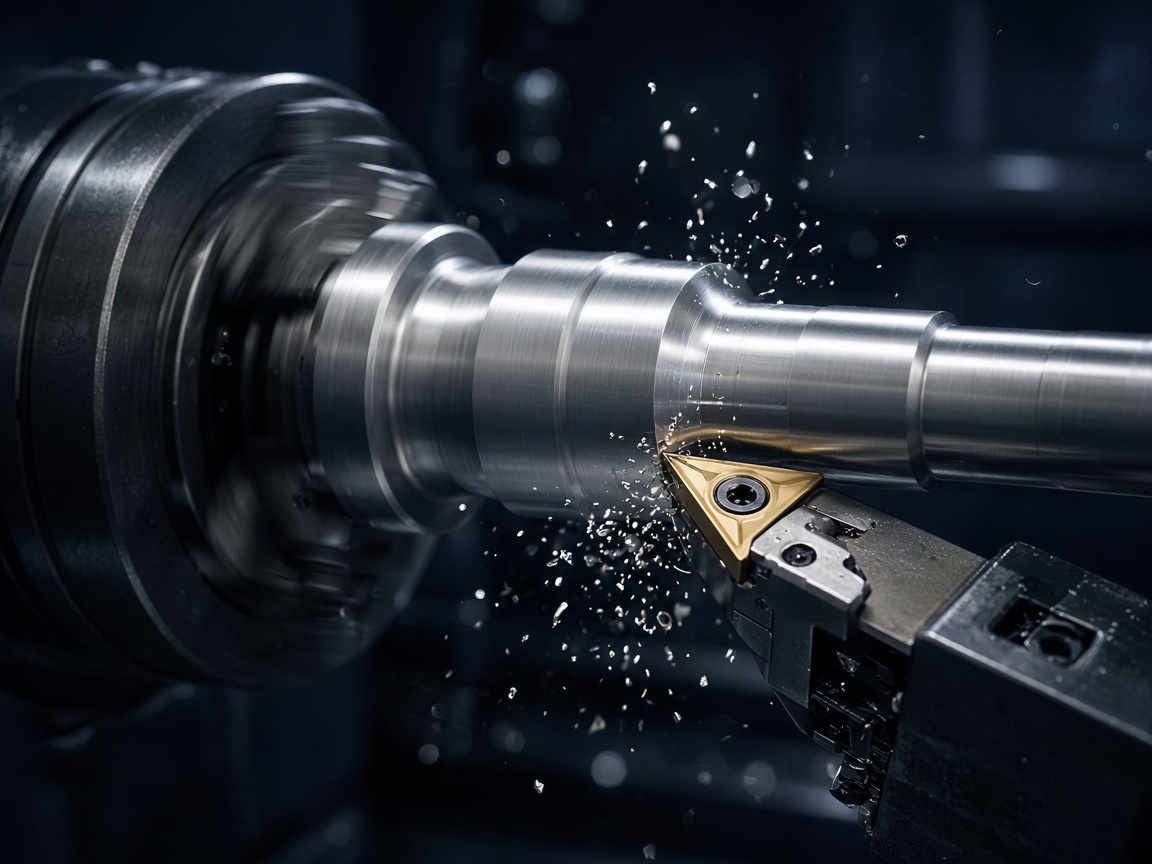
The work spins. OD, ID, threads, tapers, and grooves on shafts, bushings, and fittings. Short fat blanks stay on a chuck lathe.
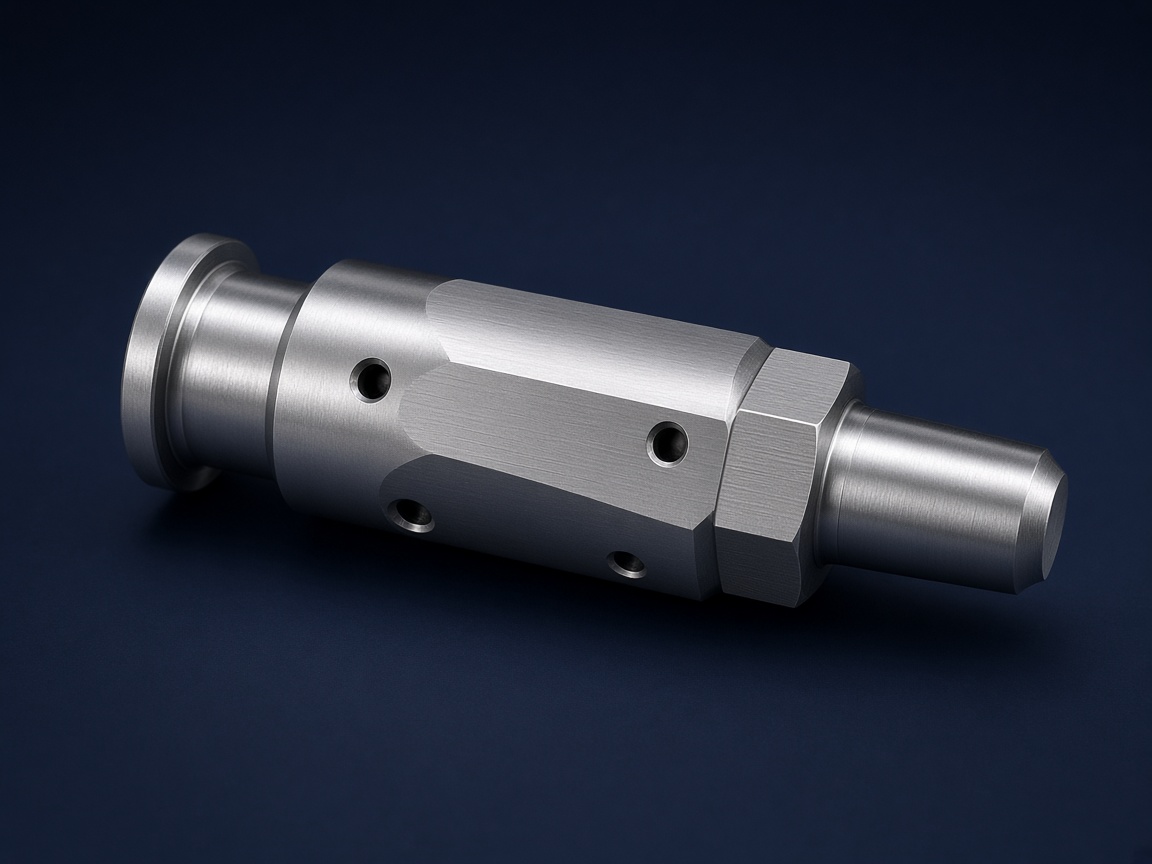
One chuck when a turned OD shares a datum with flats, hex, or cross holes. Two stacked setups are the expensive story.
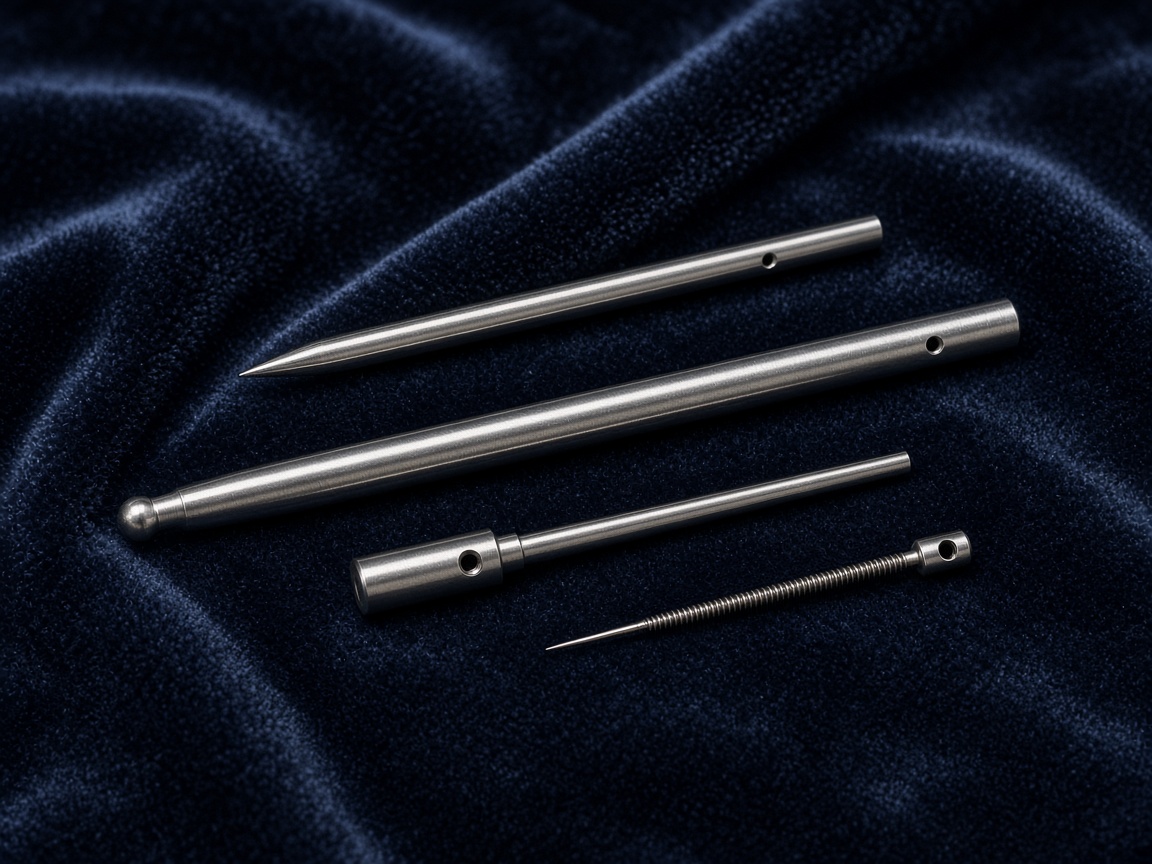
Guide-bushing support at the cut. High L/D pins and small-OD bar lots. We will not sell Swiss for a short fat collar.
These live on the mill or lathe. They are not a second factory — they are features we program when the print writes them.
Peck, ream, and tap on a mill or live-tool lathe. A hole pattern is a balloon, not “drill these.” Drilling page →
Straight or diamond — write a standard. Form grows the diameter; cut does not. “Make it grippy” is not a spec. Knurling page →
OD, ID, and face grooves for snap rings, O-rings, and part-off. Width and depth on the PDF. Grooving page →
Hardened cavities and sharp internal corners go to EDM or wire — we say so on the quote instead of forcing a mill. EDM → · Wire cut →
Print wins. These are shop talk numbers — not a claim of ±0.005 mm on every edge of a large plate.
| Cells | 3 / 4 / 3+2 / 5-axis mills; chuck lathes; live-tool mill-turn; Swiss; drill / knurl / groove in cycle |
|---|---|
| Work envelope | Standard mills cover most housings and plates (about 800 × 500 × 400 mm). Larger asked on the quote. |
| Turning talk | Most shafts and fittings on a chuck lathe. Swiss when L/D or small-OD bar volume needs the bushing. |
| Wall talk | About 0.8 mm metals / 1.5 mm plastics when geometry allows |
| Linear talk | ±0.05 mm general; tighter when ballooned and purchased |
| Minimum feature | About 0.5 mm or Ø 0.50 mm when the tool and stock allow |
| Cavity talk | Depth about 4× width before we talk a longer tool or EDM |
| As-machined | Typically Ra 3.2 μm or better unless a cosmetic face is marked |
| Threads | As a written standard (metric or UN). “Tap here” is not a spec. |
| Files | STEP, IGES, SLDPRT, DXF, PDF — disk only |
Round about one axis is a lathe. A box with pockets is a mill. Mixed OD plus flats is mill-turn. High L/D is Swiss.
| Situation | Honest pick | Not this |
|---|---|---|
| Box, pocket, 3D face | Milling | Turning a prism from bar |
| Shaft OD / ID first | Turning | Milling a round from plate |
| OD plus flats or cross holes, one datum | Mill-turn | Two stacked setups |
| High L/D or small-OD bar volume | Swiss | Chuck lathe with a mile of stick-out |
| Hole pattern, ream, tap | Drilling on the mill or live-tool | A second vendor for holes |
| Grip band on a turned OD | Knurling | “Make it look grippy” |
| Snap-ring / O-ring / part-off | Grooving | Guessing width from a photo |
| Blind cavity after harden | Sinker EDM | Forcing a mill |
| Through 2D in hard stock | Wire cut | Milling |
No account. Files stay on this server and open only in the staff inbox.
Upload the pack on Get a Quote. Nothing is mailed.
After you confirm, the cell starts. We will say if mill-turn, Swiss, or EDM is cheaper.
Inspected to the balloons you bought, packed to the quote address.
We will flip a 3-axis job if that is cheaper. We keep 5-axis or Swiss when a second datum would lie.
6061 is not 7075. Zamak is not “zinc-ish.” The PDF wins.
Once the program is locked, repeats use the same datums — not a new vendor.
One-off fixtures and scheduled production on the same inbox.
STEP and PDF land in uploads/quotes. Staff only. Never SMTP.
A shaft belongs on a lathe. A hardened cavity may belong on EDM. The quote says so.
Metals we cut every week, plus zinc and copper when you write them. Plastics are a different feed and clamp — see also plastic CNC.
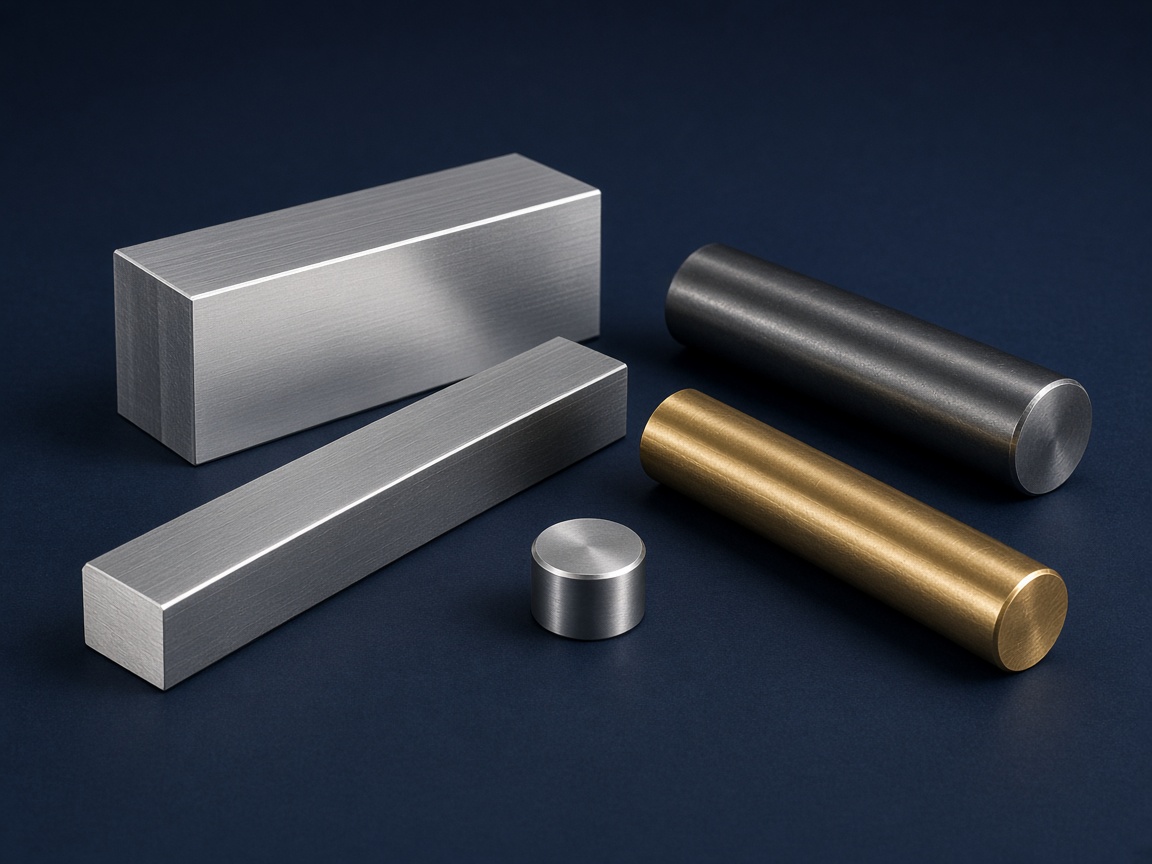
Unmarked faces stay functional. Cosmetic faces must be drawn.
Default. Tool marks stay. Typical Ra 3.2 μm talk.
Even matte before anodize or as a look of its own.
Aluminum Type II / III. Dye is a range, not a Pantone. Anodizing →
After hardware rules are clear. Film is thickness. Powder →
Marked faces only. Not a free mirror on the whole part.
Ferrous only. Mild protection, low shine. Oxide →
Zinc or nickel as marked. Plate after a fit changes the hole. Zinc plate →
Stainless when you write it — not a free extra on 304. Passivation →
We will say if a printer or a sheet cell is cheaper. We will not sell CNC as theater.
| CNC here | 3D print | Manual mill / lathe | |
|---|---|---|---|
| Best for | Named stock, ballooned bands, repeat lots | Form studies and soft fixtures | One-off simple work |
| Band talk | ±0.05 mm general; tighter when bought | Layer talk — not this desk’s ±0.05 | Operator-dependent |
| Finish | Ra 3.2 μm as-machined unless marked | Layer lines unless you post | Whatever the hand leaves |
| Repeat | Same program, same datums | Same file, different strength | A new setup each time |
| Honest no | When a laser or a tool is cheaper | When the print needs real stock | When the lot must match |
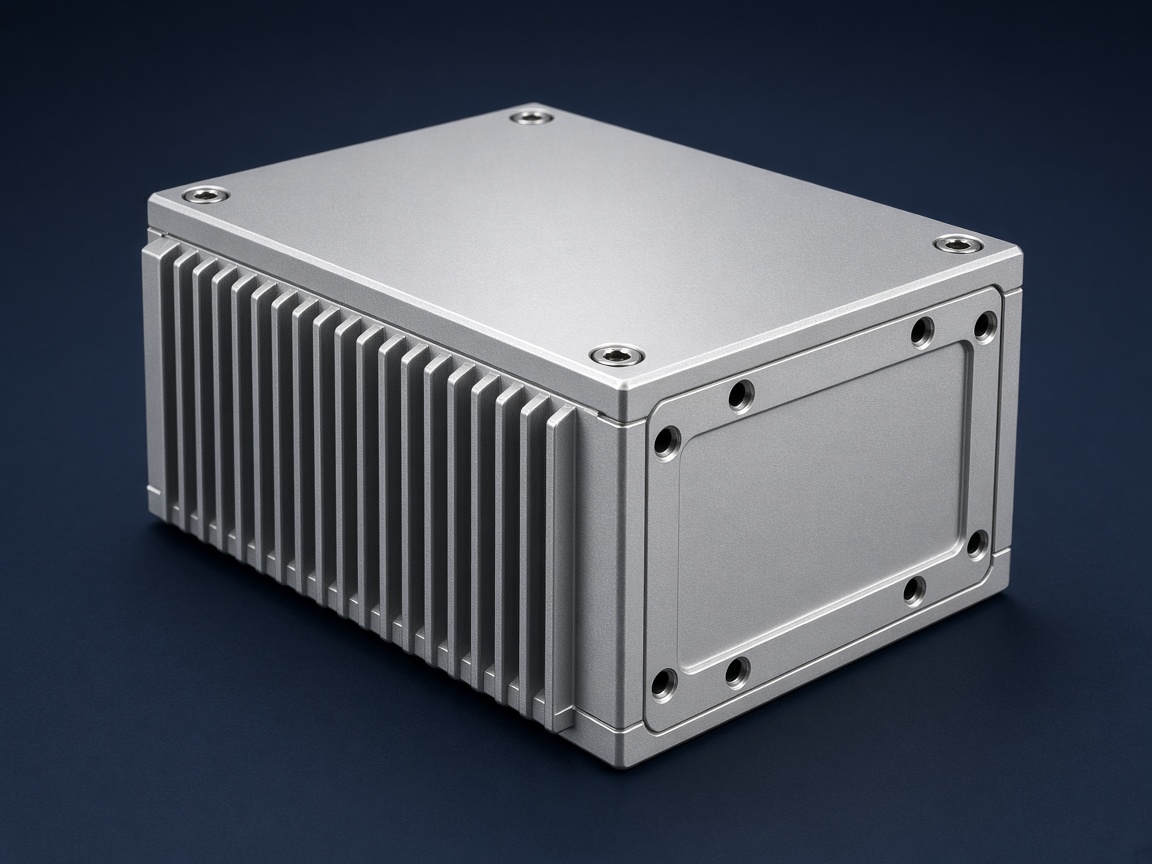
Prismatic boxes, pump covers, gearbox plates. Automotive-adjacent brackets when the print is real. Industrial →
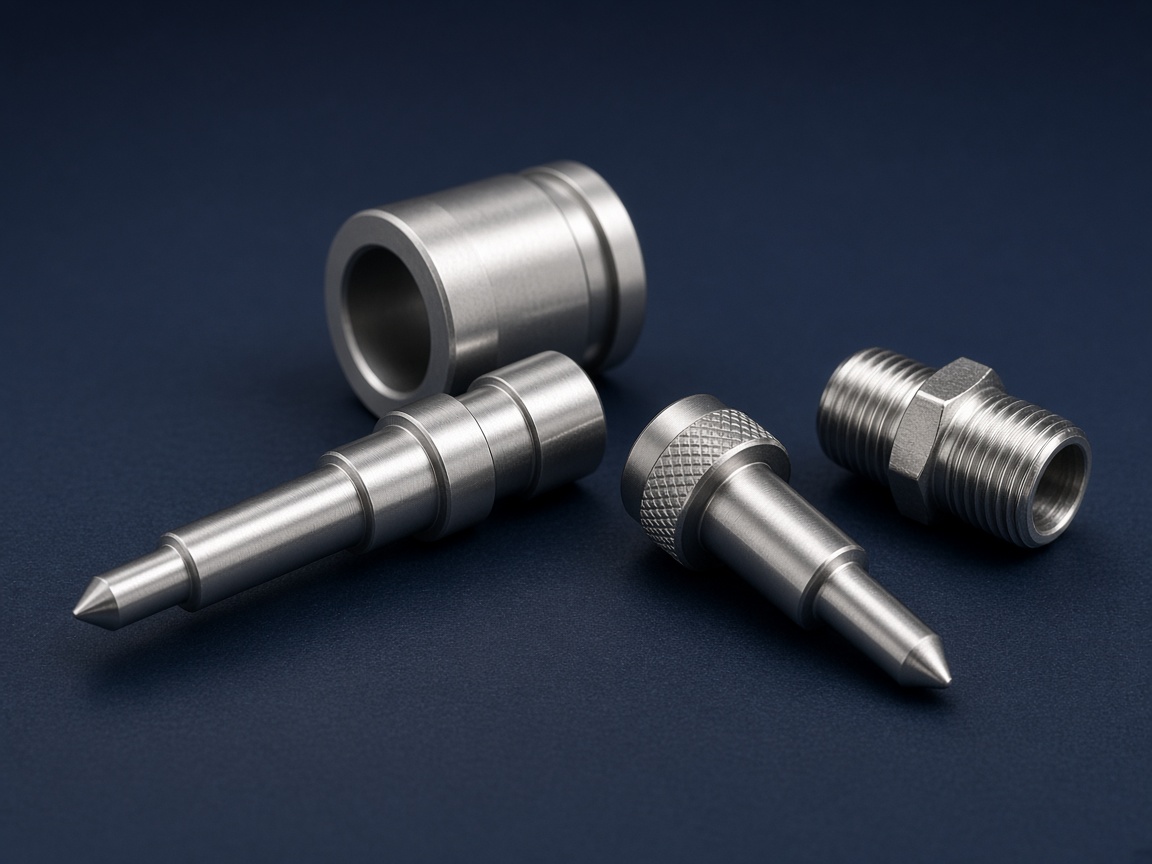
Turned hardware, live-tool flats, and nests that must repeat. The nest is sometimes the product. Automotive →
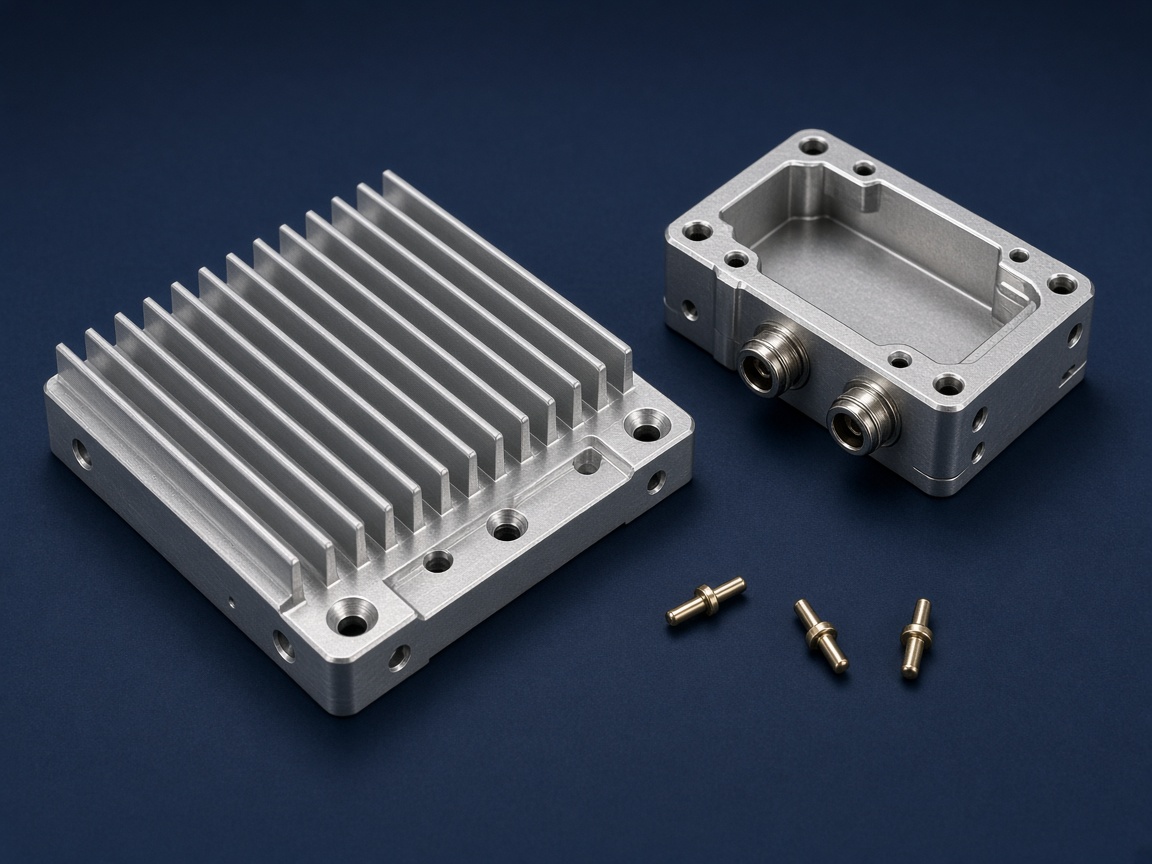
Heat-sink plates, enclosures, connector pins. Medical housings when you buy the inspection. Electronics →
A cutter has a radius. Sharp internal corners are an EDM conversation or a relief.
0.8 mm metal / 1.5 mm plastic is talk, not a promise on a 200 mm tall rib or a long tube.
Past about 4× width we will talk a longer tool, a split, or EDM.
Past about 5:1 on a chuck we will talk a steady rest or Swiss. Leave a remnant note on bar jobs.
Write the standard and the pair. Plate after a fit changes the hole.
Fine on every edge of a large plate is a different quote than fine on three features.
We work to the band on your drawing. If you write nothing, we say which shop default we used.
| General talk | ISO 2768-style when you write the class. Metals vs plastics are different conversations. |
|---|---|
| Threads | Metric or UN as a standard — not “tap here.” |
| Knurl | Write type and pitch. See knurling. |
| Inspection | Balloons you marked. CMM / FAIR are line items. |
| Cosmetic | Show faces marked. Unmarked stay functional. |
| Files | Disk only — never emailed. |
STEP plus a PDF. Files stay on the Bluesky Tooling server and open only in the staff inbox.