Uploads stay on this server — never emailed

Capabilities

Aluminium Extrusion

A constant cross-section, cut to length, then drilled, tapped, or milled where the print actually needs a feature. Bluesky Tooling is not an extrusion press. We source a catalog die, or we mill the shape from plate when twenty pieces would never pay for steel. Uploads stay on this server.

  • Catalog die first — new steel only when volume pays
  • Cut-to-length + CNC secondary
  • Disk-only packs — never emailed
Silver T-slot and aluminum profiles — original Bluesky Tooling visual Upload your design

All uploads stay on this server — never emailed

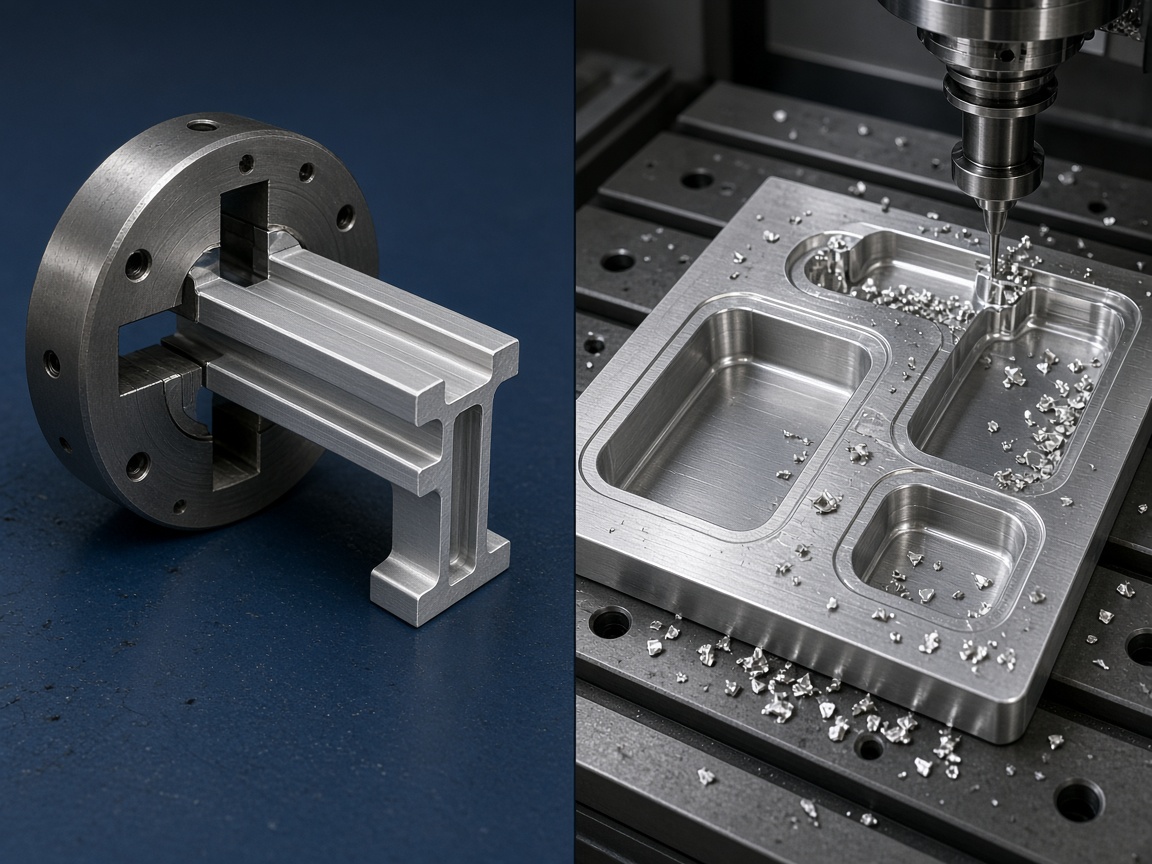
Die vs mill-from-plate

Same 2D outline. Two different jobs. A die makes meters. A mill makes a handful. We pick from the yearly number — not from a brochure photo of a press.

Extrusion die next to plate milling — original visual

Catalog or custom die

Billet is pushed through an orifice. The bar keeps that section for the whole length. We start with a die that already exists — 2020 / 2040 / 3030 T-slot, L, U, tube. A new die is a line item and a lead, not a free sketch.

Honest when the section is constant and the meters add up.
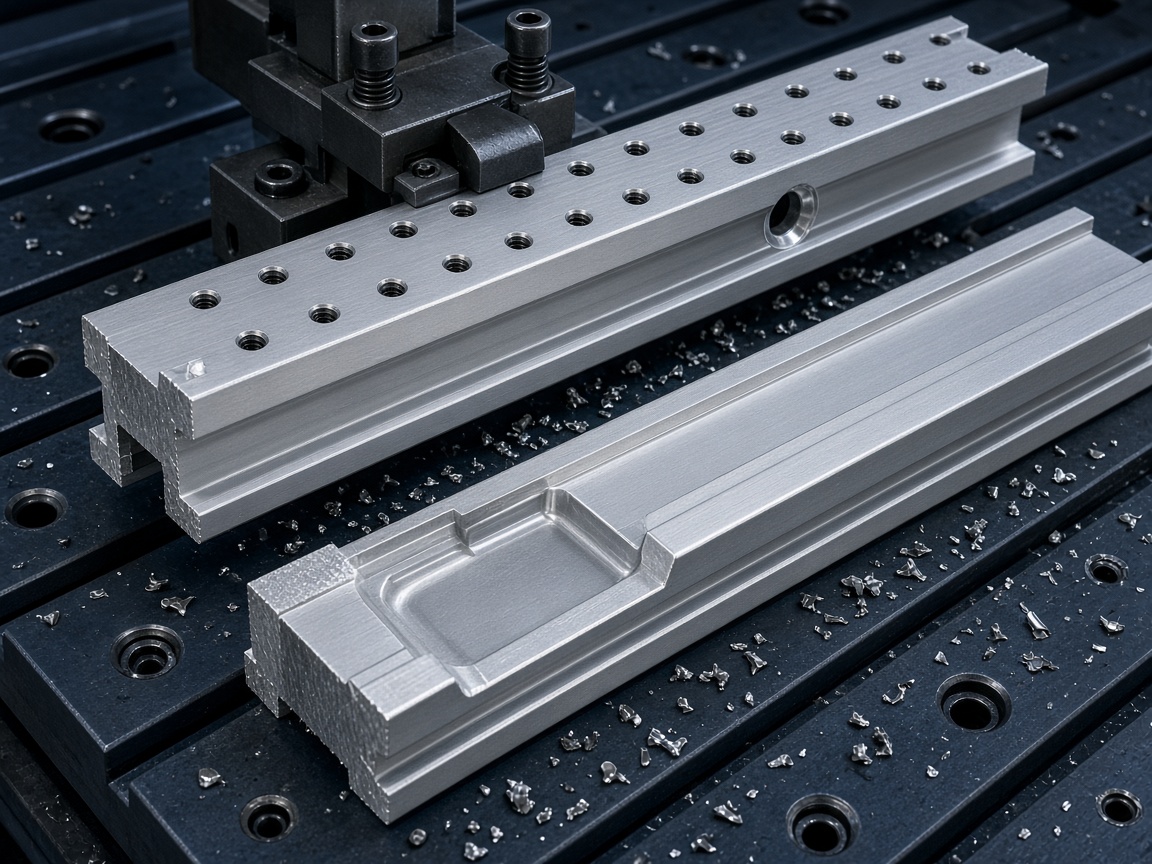
Plate-milled aluminum versus extruded bar — original visual

Mill-from-plate

We cut the same outline from plate or bar on a mill. More chips. No die steel. First pick for prototypes, one-offs, and shapes that will change next month. If plate is cheaper for twenty pieces, the quote says mill.

3D pockets and one-off outlines stay on CNC.

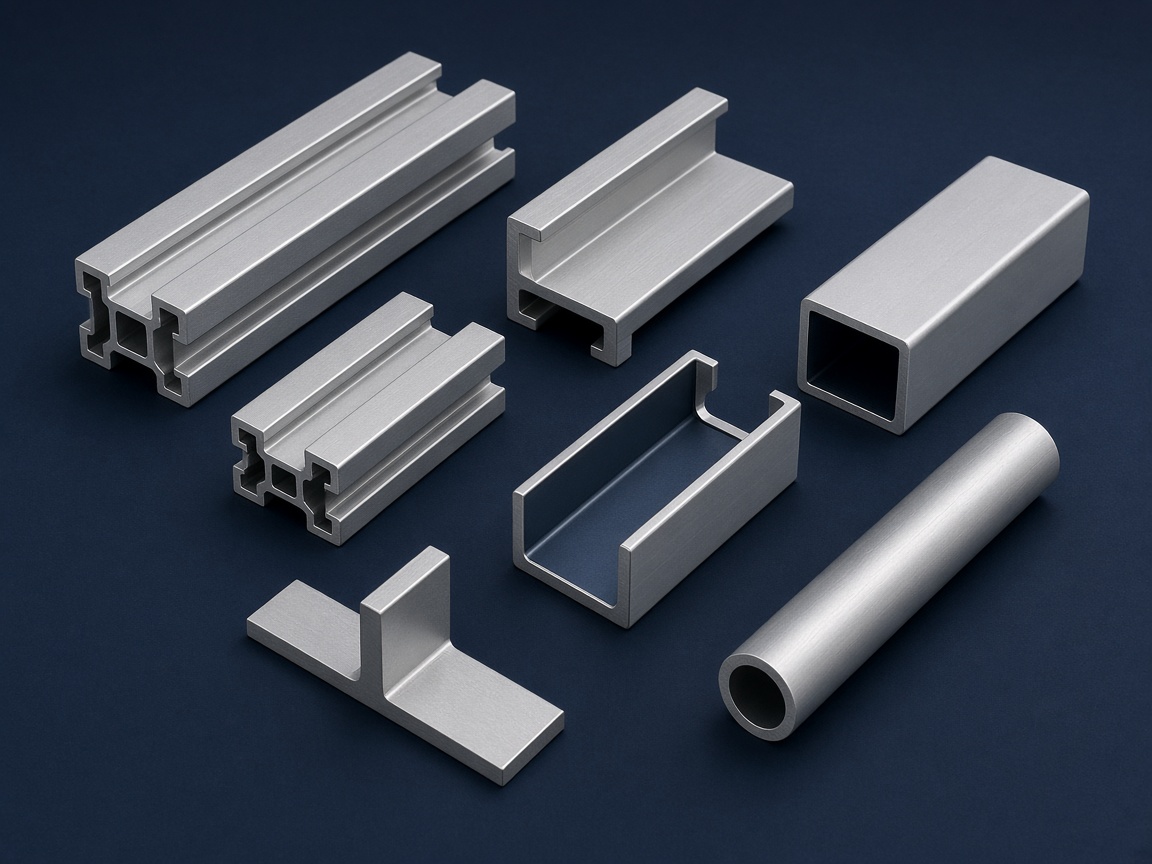
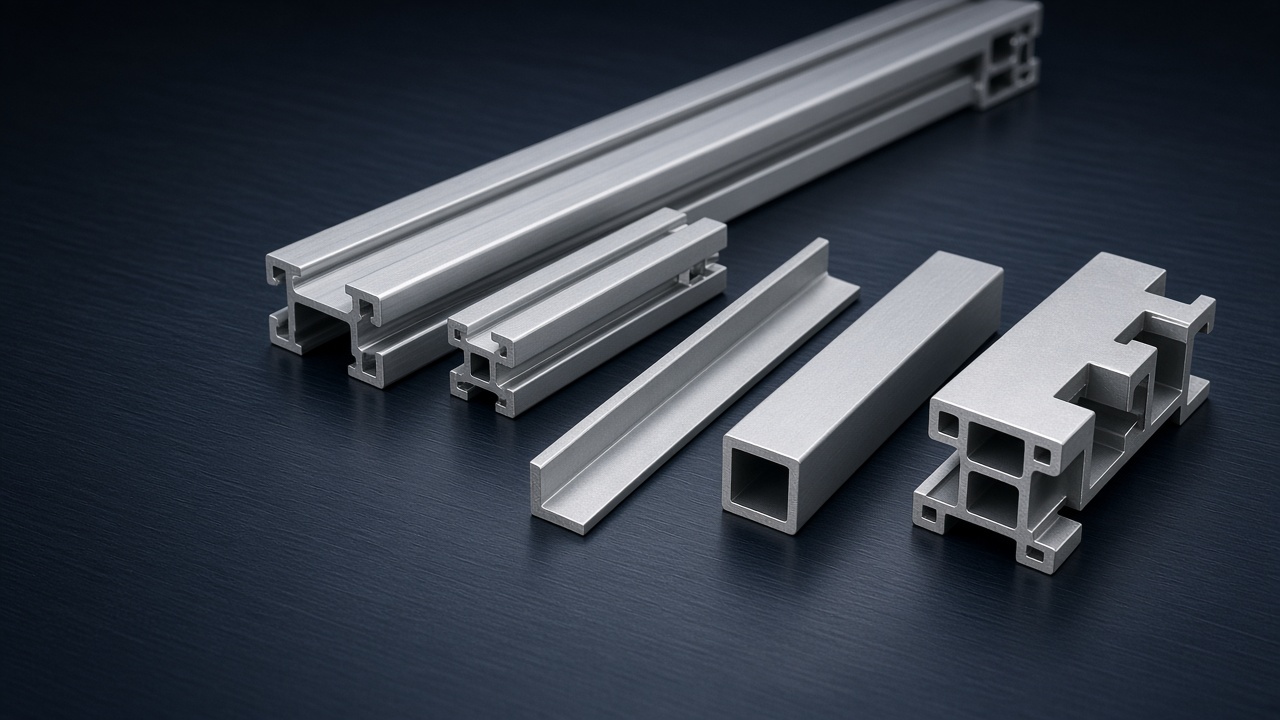
Standard T-slot L U and tube profiles — original visual

Catalog first

T-slot, angle, channel, T-bar, square and round tube. If a catalog section covers the print, we will not sell you a custom orifice. Write the series (20 / 30 / 40 mm) or attach the die drawing.

Custom steel only when yearly volume pays for it.

Profiles we actually quote

A profile is a 2D section that stays true along the length. Name the alloy and the series. “Looks like 80/20” is a start, not a balloon.

T-slot aluminum rails — original visual

T-slot rails

2020, 2040, 3030, 4040 and the usual metric families. Frames, guards, and automation benches. Hardware is a separate line — we do not assume a brand of T-nut.

Angles channels and tubes — original visual

Angles, channels, tubes

L, U, C, T, hat, square tube, round tube. Wall and corner radius matter more than the letter. Hollows need a mandrel conversation if you drew a thin closed pocket.

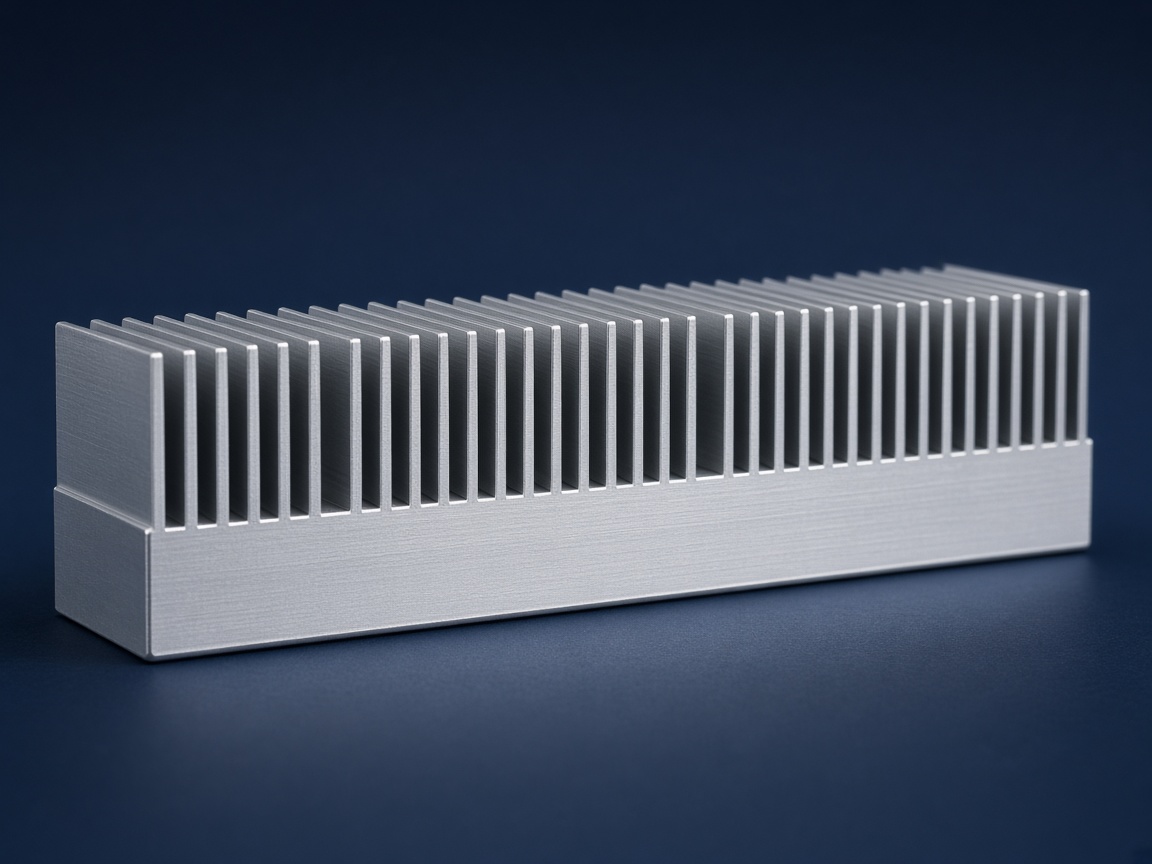
Finned extruded heat-sink profile — original visual

Custom / thermal

Finned heat sinks and odd hollows when a catalog die cannot hold the fins. Die first. Then cut, face, drill, and anodize. We will not pretend a 12-piece lot pays for new steel.

Extrusion envelope we quote

Print wins. These are shop-talk numbers — not a promise that every meter matches a catalog photo.

What we areCut, CNC secondary, and finish. We source a press; we do not own one on this floor.
Honest startCatalog profile unless yearly volume pays for a new die
Alloys we talk6063 for most profiles. 6061 when you need more strength or secondary machining. 6082 when written. 7075 is usually plate, not a cheap extrude.
LengthCut to the balloon. Deburr the ends. Stock bar is not a finished part.
Secondary CNCDrill, tap, mill faces and pockets, end features — same desk as CNC milling
Wall talkThin walls crush under tap and clamp. Call a land or an insert.
HollowsClosed voids need a die that can support them. Paper-thin hollows get a “no” or a mill-from-plate note.
RadiiA die has a fillet. Sharp internal corners are a mill or EDM conversation, not a free orifice.
General talkISO 2768-style on cut length and CNC features when you write the class. Die tolerance is a different band than a mill.
FilesSTEP + PDF — disk only

How aluminium extrusion works on this desk

  1. CAD inA solid plus a PDF. Section, alloy, length, qty, finish. “T-slot something” is not a spec.
  2. Pick the routeCatalog die, custom die, or mill-from-plate. We will say which. Die cost is never hidden in the piece price.
  3. Cut to lengthSquare, deburr, then the CNC you ballooned — holes, taps, pockets, faces.
  4. FinishAs-cut, anodize, or powder as marked. Rack marks exist. Dye is a range, not a Pantone.
Die and plate routes — original visual

Cut-to-length and CNC secondary

The press makes the section. We make the part. Most prints need more than a saw cut.

Cut to length

Saw, square, deburr. Balloon the length and the end condition. A raw mill-length bar is not a finished piece.

Drill

Clearance or fit, on the face or through a wall. Call the diameter and the class. Thin walls wander — we will say so. See also CNC drilling.

Tap

Write the standard (metric or UN). Helicoil / insert if the wall is too thin to hold a thread. “Tap here” is not a spec.

Mill

End faces, pockets, slots, and pads that a die cannot hold. Same mill cells as the rest of the shop. We do not mill a 2 m slot from plate when a catalog bar already has it.

How to order extruded parts

No account. Files stay on this server and open only in the staff inbox.

1

Get a factory quote

Upload the pack on Get a Quote. Nothing is mailed. Section + length + qty on the PDF.

2

Start production

After you confirm. We will say if mill-from-plate, a catalog die, or a new orifice is the honest pick.

3

Receive the part

Cut length and CNC balloons checked. Packed to the quote address.

Why teams send profiles here

We are not a press

We will not pretend we own one. We source, cut, machine, and finish — and we say so on the quote.

Honest die vs plate

If twenty pieces are cheaper as a mill job, the quote says mill. A new die is never “included.”

Secondary on the same desk

Drill, tap, and mill after the cut. One inbox. One pack.

Disk inbox

STEP and PDF land in uploads/quotes. Staff only. Never SMTP.

6061, 6063, and the rest

Name the grade. 6063 is the usual profile. 6061 machines cleaner and holds a bit more. 7075 is a plate conversation unless you already own the die.

6063

The shop default for T-slot, window-ish sections, and most catalog rails. Anodizes clean. Softer tap than 6061. Grade page →

6061

When the print wants strength or a lot of secondary CNC. Common for fixtures and structural bits. T6 if you write it.

6082

When you write it — European-adjacent structural talk. Not a silent swap for 6061.

7075

Usually plate or bar on a mill. A 7075 custom die is a real program, not a catalog click.

2024 / 1100

Only if the PDF names them. We do not swap a soft 1100 for a 6061 pad.

Not plastic

This page is aluminum. Nylon or PP tube is a different cell — ask, do not assume.

6063-T56061-T66082T-slot 2020T-slot 4040Square tube
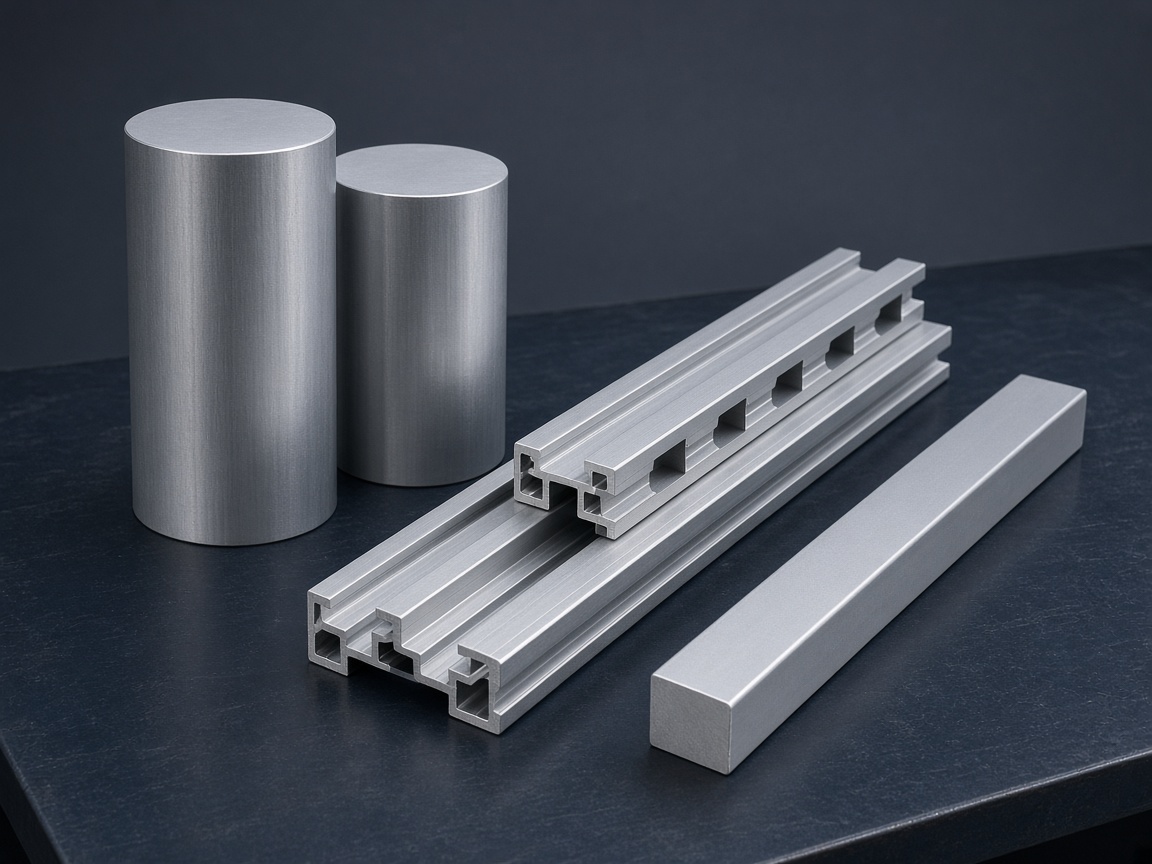
Aluminum billets and cut profiles — original visual

Finishing after the cut

Unmarked faces stay functional. Anodize after CNC unless you wrote mask. Dye is a range.

As-cut / as-machined

Default. Die lines and tool marks stay. Deburr the ends.

Anodize Type II

Clear, black, or a navy-ish dye if marked. Film is thickness. Rack marks exist. See anodizing.

Anodize Type III

Hard coat when you write wear. Darker. Not a free Pantone.

Bead blast

Even matte before anodize. Call it if you want the die lines gone.

Powder coat

After hardware rules are clear. Film is thickness — holes shrink.

Machine pads

Mill a face after anodize if you marked a bare pad. We will not guess.

Anodized profiles

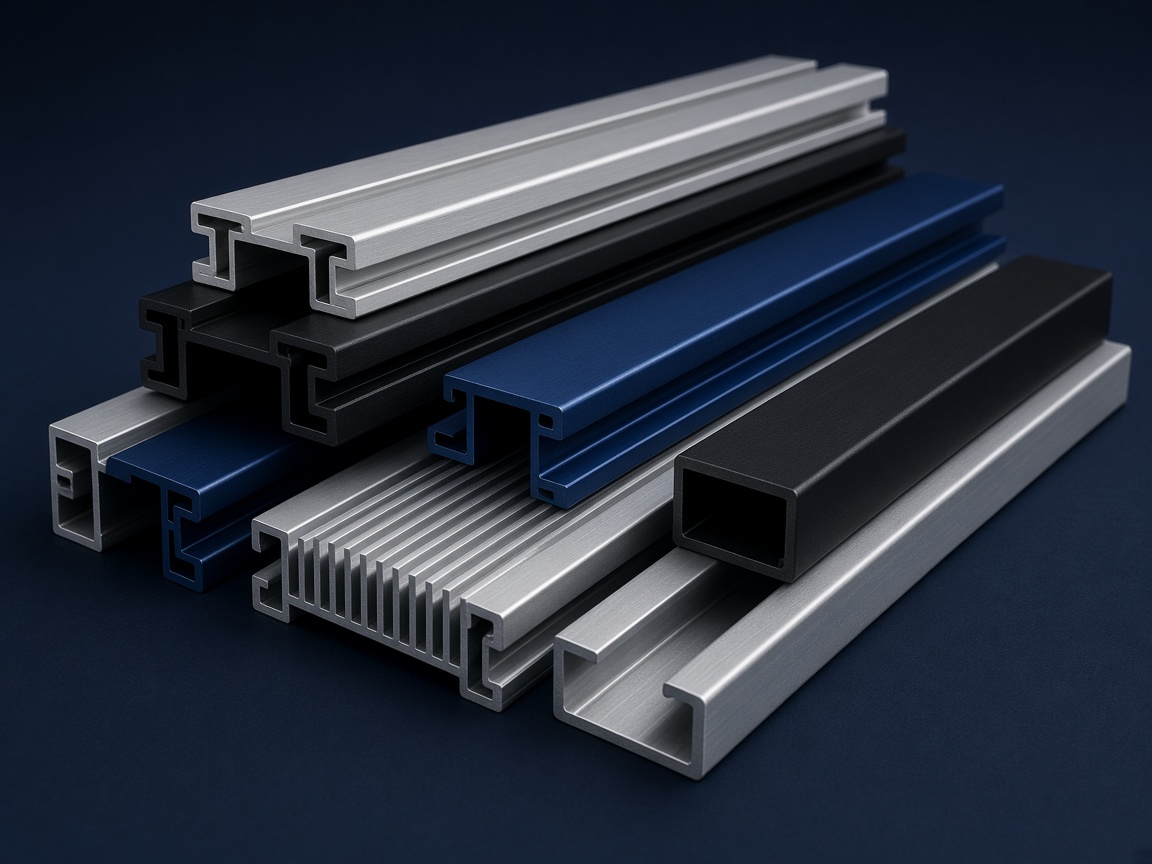
Most rails leave this desk dyed or clear-coated. Write Type II or III, the color family, and any mask. We will not match a phone photo.

After CNC

Holes and taps first, then the tank — unless a pad must stay bare.

Rack marks

They exist. Mark a hide face if a show face cannot take a contact.

Fits after film

Anodize is thickness. A H7 hole after Type III is a different conversation than as-machined.

Silver black and navy anodized profiles — original visual

Extrude vs machining from plate

Both are aluminum. They are not interchangeable quotes.

SituationHonest pickNot this
Long constant section, real metersCatalog die + cut + CNCMilling a 2 m slot from plate
Twenty complex 3D partsCNC from plateA new die as theater
Prototype of a future railMill-from-plate this lotPaying for steel you will change
Finned heat sink, repeatingExtruded fin profile + face/drillMilling every fin from a block
Simple C or L, short lotLaser + brake if sheet is honestForcing a custom orifice
Closed space frame that cannot unfoldWeldment or machined jointsHoping a brake makes a box

Where profiles show up

Extruded aluminum heat sink — original visual

Heat sinks

Finned sections, cut and faced. Secondary holes for the board. Anodize if you wrote it. We will not mill a forest of fins from plate when a die already exists.

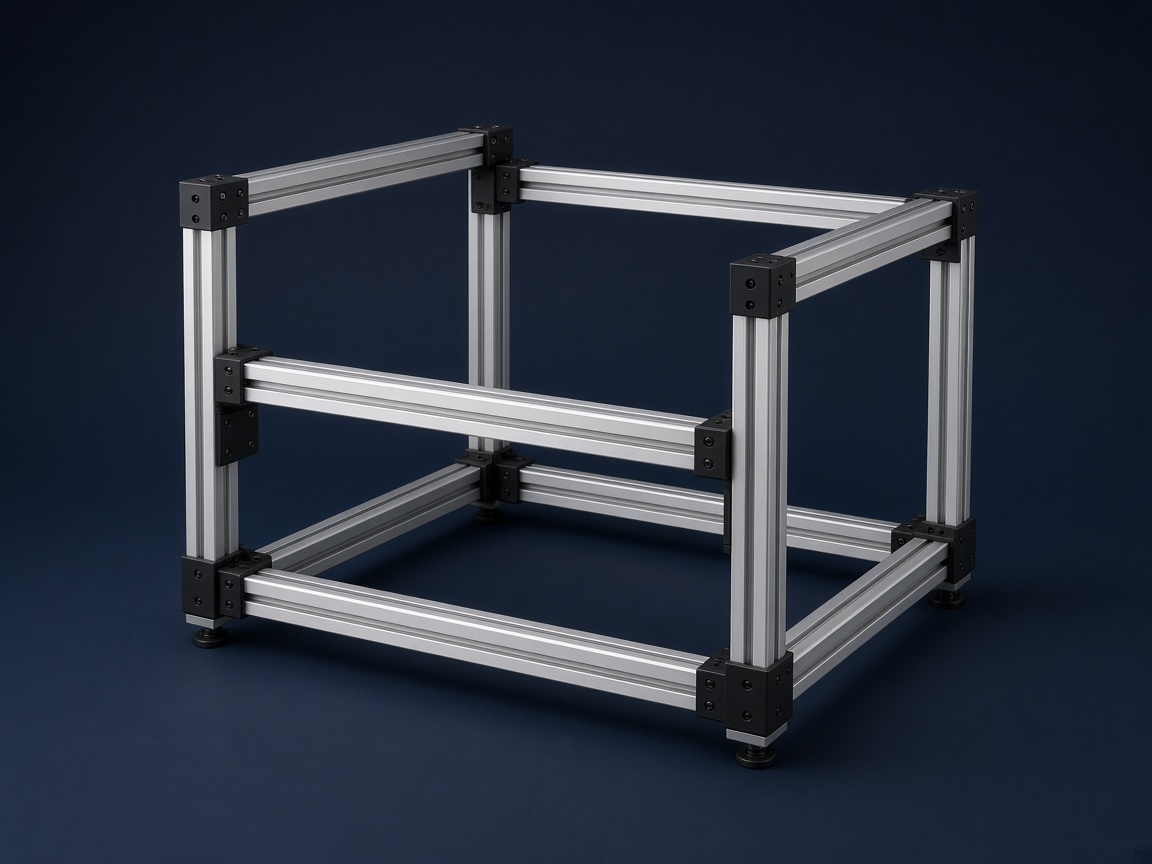
T-slot automation frame — original visual

Frames & guards

T-slot benches, machine guards, and automation skeletons. Catalog series first. Brackets and plates are mill jobs that bolt on.

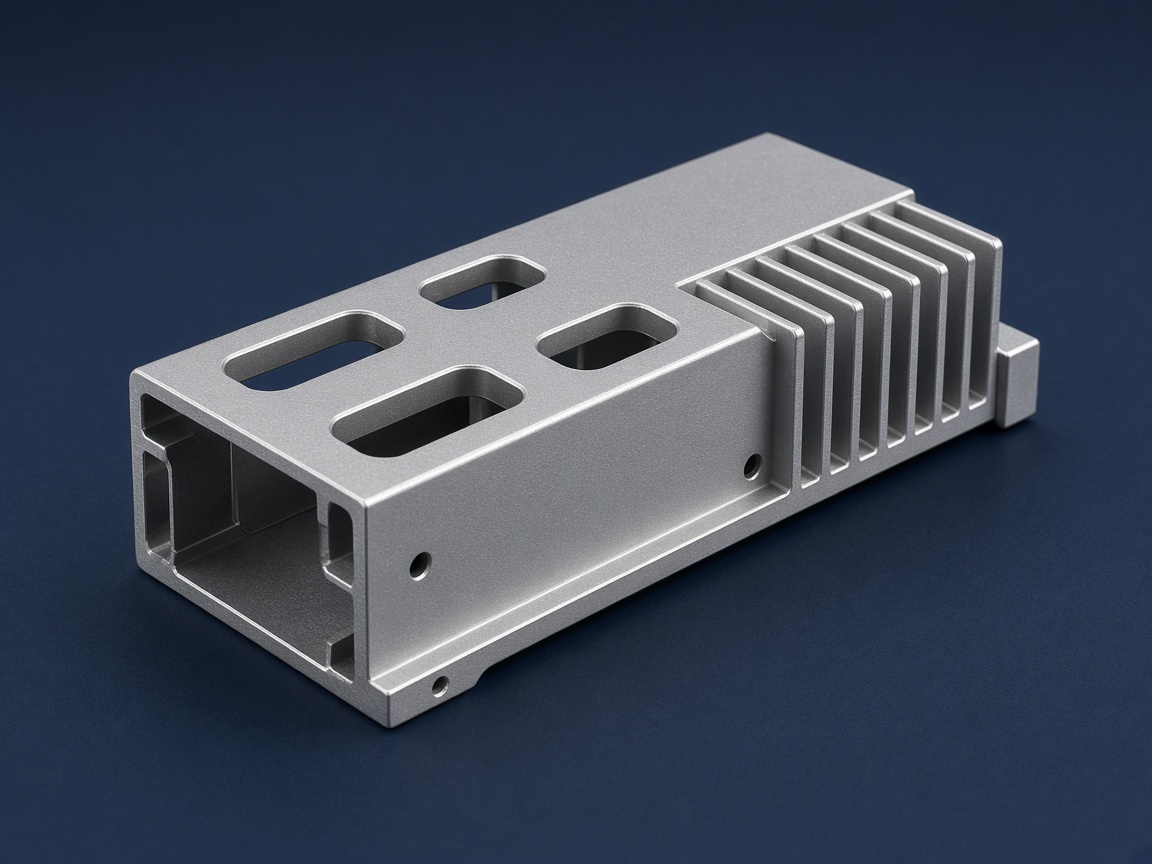
Extruded electronics enclosure — original visual

Enclosures & bus bars

Hollow profiles, slots, and conductive bars. Electronics-adjacent when you name the alloy and the finish — not a catalog claim.

DFM notes before you upload

Wall

A tap needs meat. Thin extrusion walls strip. Call a thicker land, an insert, or a through-bolt. We will not guess a Helicoil.

Hollows

A closed void is a die feature, not a pocket we mill for free. Very thin hollows collapse or need a mandrel. Draw the wall or we mill from plate.

Radii

Dies like fillets. Sharp internal corners on a custom orifice add steel cost — or they belong on a mill. Outside corners can be sharper than insides.

Tongue ratio

A long thin tongue on a custom die is a wear and fill conversation. We will ask you to thicken it or to mill that detail after the bar.

Length vs camber

Long bars bow. Balloon straightness if a face has to sit flat. We straighten when the quote bought it — not as a free hope.

Finish vs fits

Anodize and powder change holes. Write the sequence: machine, then coat, then tap — or mask.

Standards & inspection

We work to the band on your drawing. If you write nothing, we say which shop default we used — and we will still ask for a section.

General talkISO 2768-style on cut length and CNC features when you write the class. Die catalogs have their own band.
ThreadsMetric or UN as a standard — not “tap here.”
InspectionLength, section, and the CNC balloons you bought. CMM / FAIR are line items.
CosmeticShow faces marked. Die lines stay unless you bought blast + anodize.
FilesDisk only — never emailed.

FAQ

No. Bluesky Tooling cuts, machines, and finishes. We source a catalog or custom die when the yearly number is real. A new orifice is quoted, not assumed.
Catalog die when the section already exists and you need meters. Mill-from-plate for prototypes, changing geometry, or lots too small to pay for steel. We will pick the cheaper honest route on the quote.
6063 for most rails and anodized profiles. 6061 when you want more strength or a lot of secondary CNC. Write the temper. We do not silent-swap.
Yes. That is most of the job. Balloon the holes, the thread standard, and the faces. Thin walls get an insert talk or a no.
Type II and Type III when marked. Dye is a range. Rack marks exist. Mask pads if they must stay bare.
Thin walls strip. Closed hollows need a die that can support them. Sharp inside corners are mill or EDM, not a free die feature. We will mark the risk on the quote.
No. The pack lands in uploads/quotes and opens only in the admin inbox.

Send the extrusion pack

STEP plus a PDF. Section, alloy, length, and the CNC balloons. Files stay on the Bluesky Tooling server and open only in the staff inbox.

Get a Quote