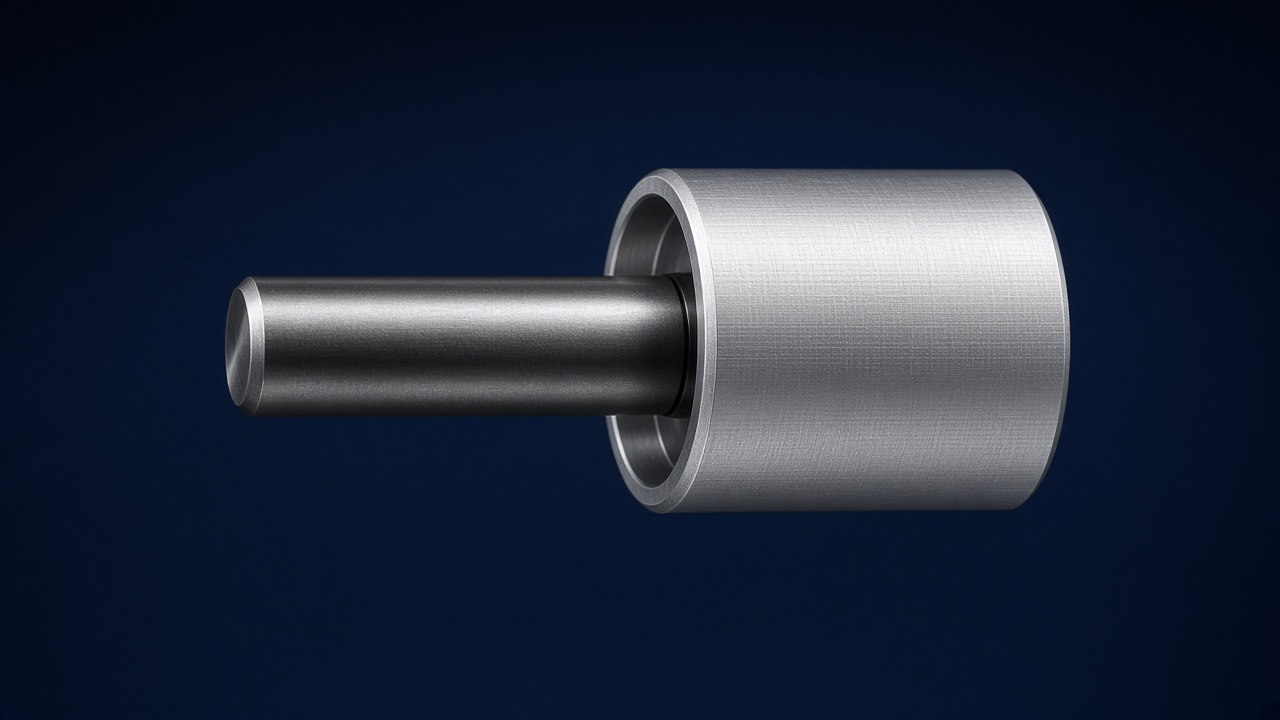
Slip / clearance
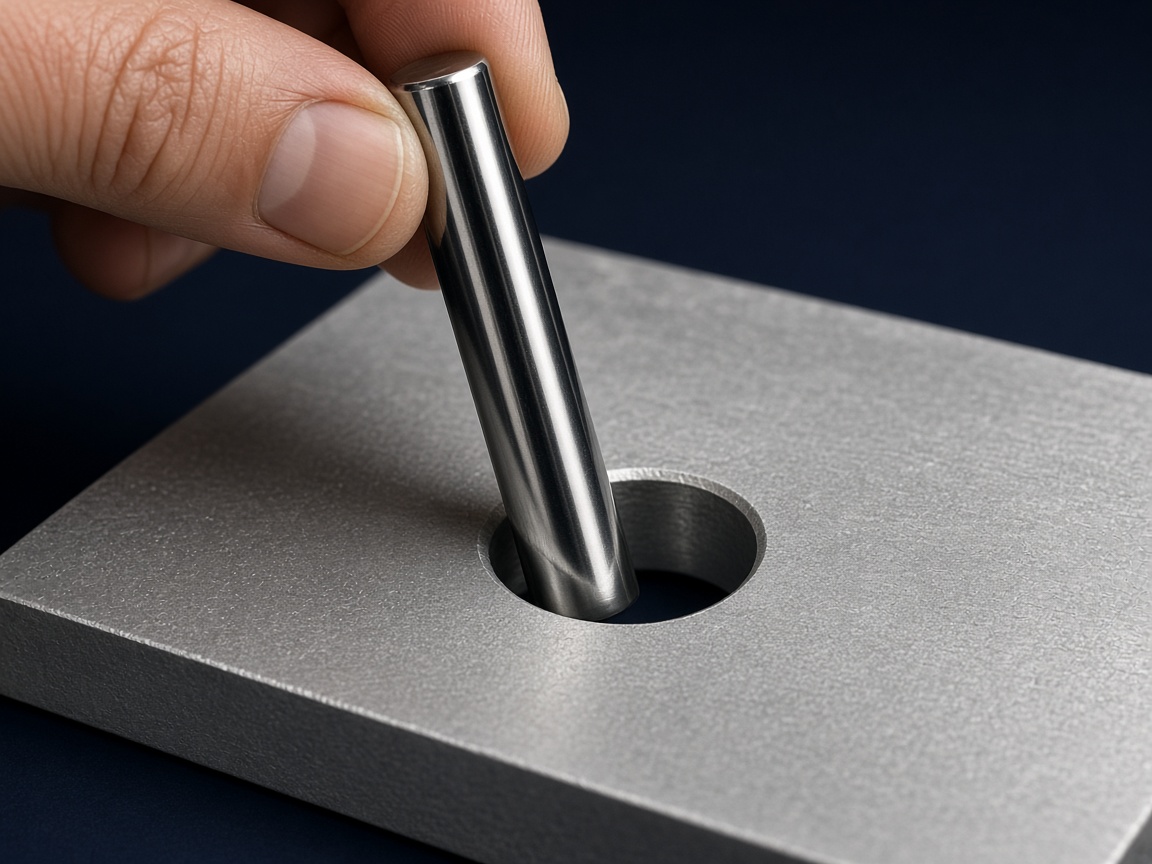
Shaft smaller than the hole. Assembles by hand or with light oil. Locating pins, removable shafts, alignment that must come apart.
Common talk: H7/g6, H7/h6, H8/f7 — write yours.

Most-referenced guides
A fit is a pair — hole and shaft — not an adjective. “Slip,” “snug,” and “press” only become a contract when you write the ISO 286 letters (H7/g6 and friends) or both size windows. Bluesky Tooling will machine the pair you named. We will not guess twice.
ISO and ANSI charts sort the same idea: clearance, transition, interference. Hole basis (H on the hole, letter on the shaft) is what we see most.
Shaft smaller than the hole. Assembles by hand or with light oil. Locating pins, removable shafts, alignment that must come apart.
Common talk: H7/g6, H7/h6, H8/f7 — write yours.
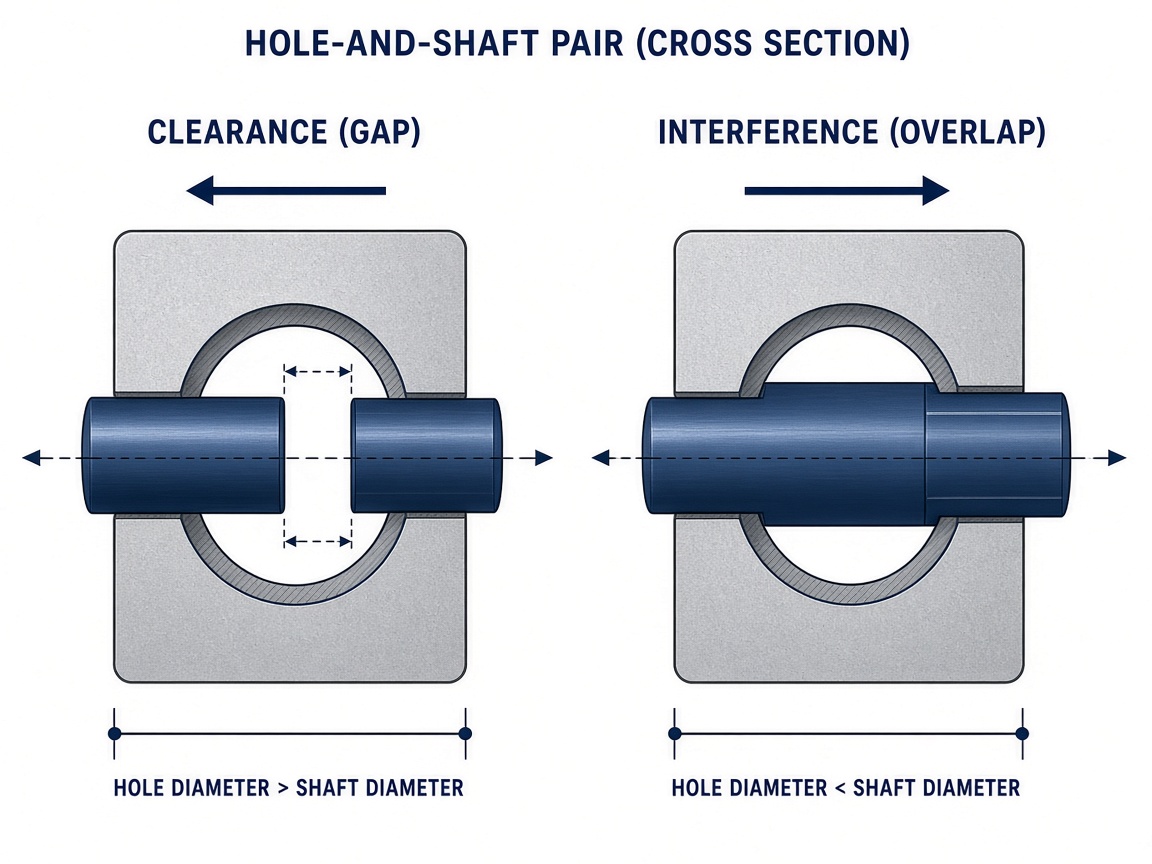
May clear or interfere depending on where in the window both parts land. “Snug” without a pair is this argument waiting to happen.
Common talk: H7/k6, H7/n6.
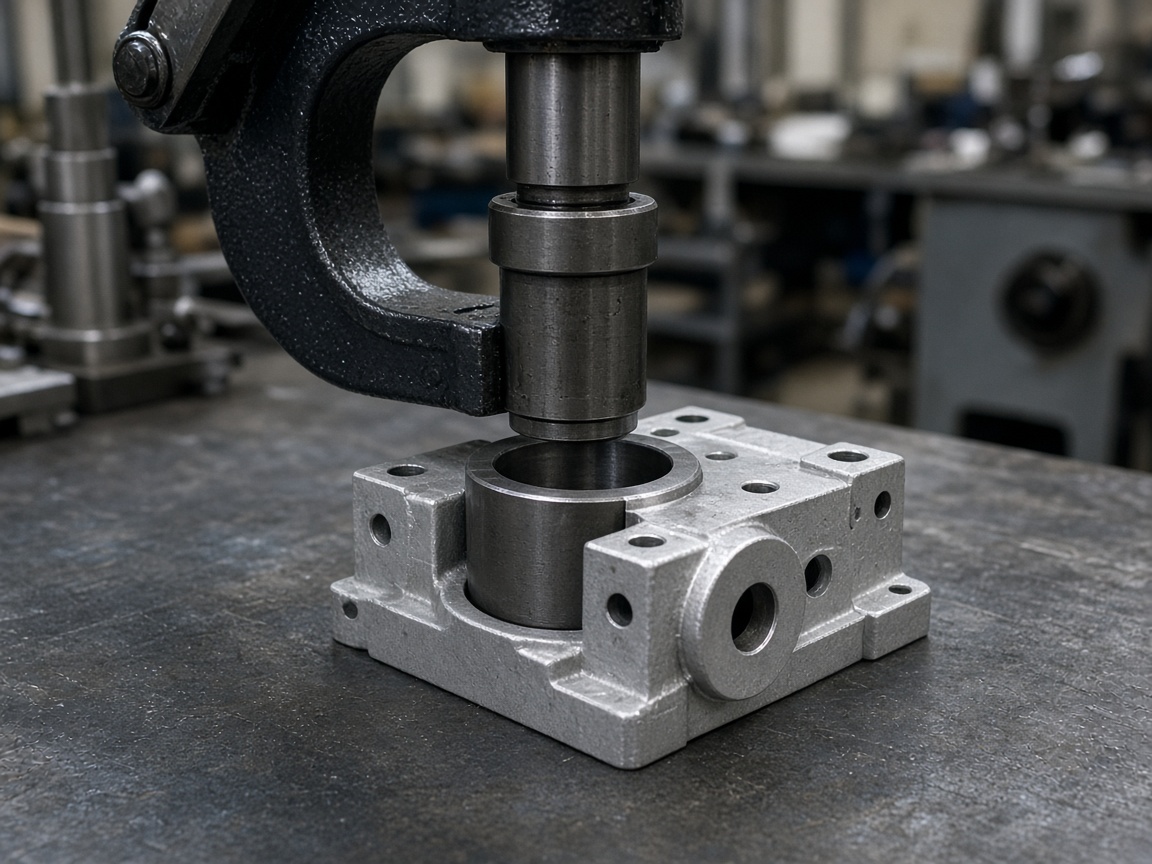
Shaft larger than the hole. Needs a press, heat, or both. Bushings, bearings, permanent collars. Align the lead-in or you will gall it.
Common talk: H7/p6, H7/s6, H7/u6.
Illustrative ISO-style windows so a designer can see the idea. Use the official ISO 286 / ANSI B4.1 chart for the size you actually have. These are not a substitute for the standard.
| Family | Hole | Shaft | What you feel |
|---|---|---|---|
| Clearance / slip | H7 (50.000–50.025) | g6 (49.975–49.991) | Assembles by hand |
| Transition | H7 (50.000–50.025) | k6 (50.002–50.018) | May tap or may press |
| Interference / press | H7 (50.000–50.025) | s6 (50.035–50.051) | Needs a press |
A dowel example people quote in inches: a Ø0.250 pin often wants a hole about 0.2515–0.253 for a slip. Write the standard you will measure incoming.
Aluminum grows more than steel. A press that is honest at 20 °C can go slack in a hot enclosure. Name both alloys if thermal shift matters.
A rough shaft eats the hole. Chamfer both sides. Ra on the journal is a line, not a vibe. Roughness →
Film is thickness. Anodize or zinc after a H7 is a different hole. Write the sequence: machine, then coat, then size — or mask.
Pin gauge, air gauge, CMM — say which. We will not fight your incoming with a different method we never agreed.
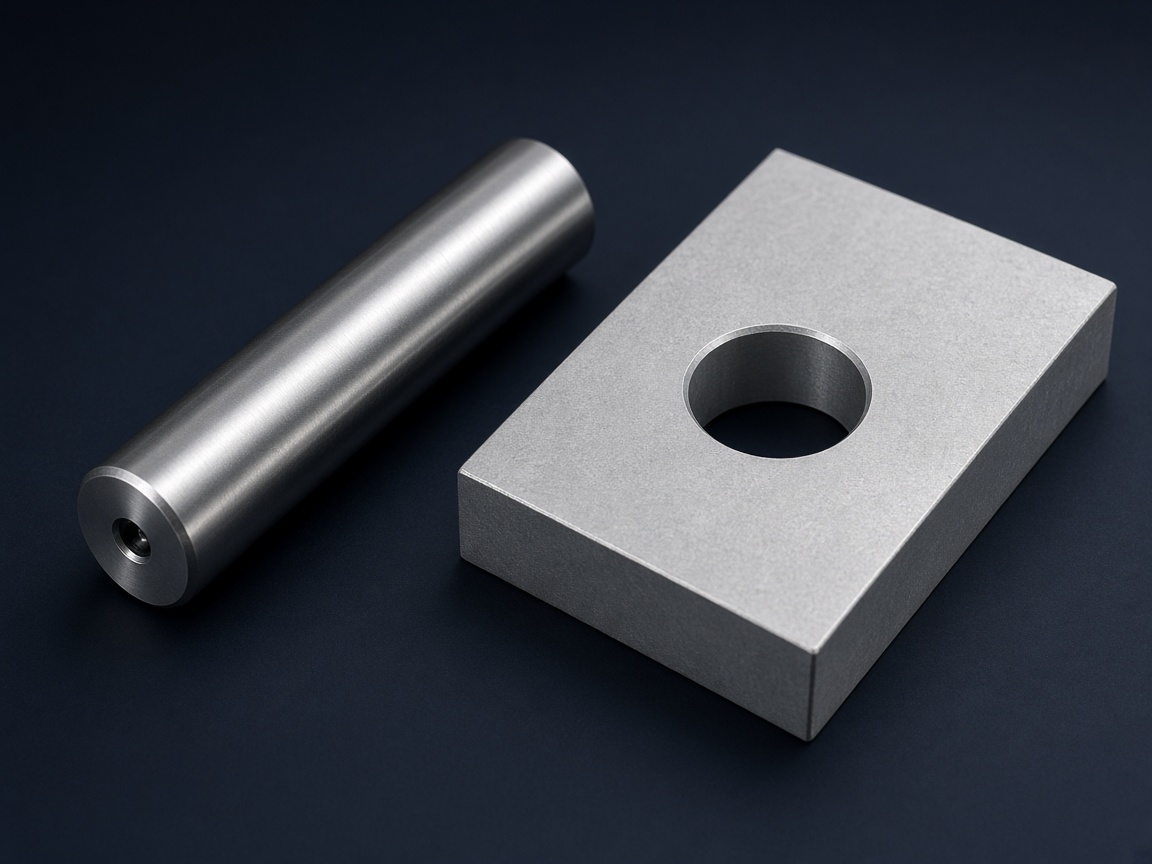
| Write the pair | H7/g6, or both windows. “Tight” is not a fit. |
|---|---|
| One guess | If you send “make it press,” we will ask once. We will not repeat a guess. |
| Both parts here | Best when we cut hole and shaft. Mating to a purchased bearing — send the bearing spec. |
| General band is not a fit | ISO 2768 does not replace ISO 286. ISO 2768 → |
Hole and shaft. Sequence if you coat. Files stay on this server.