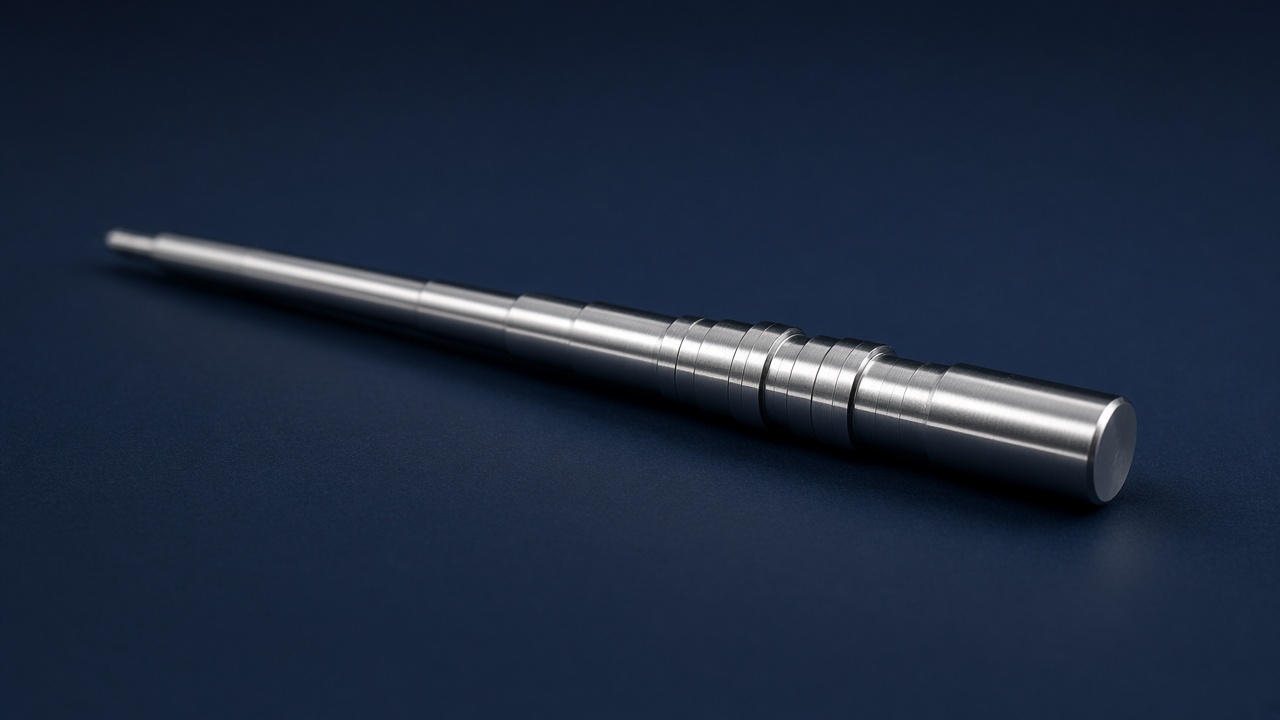
Guide bushing
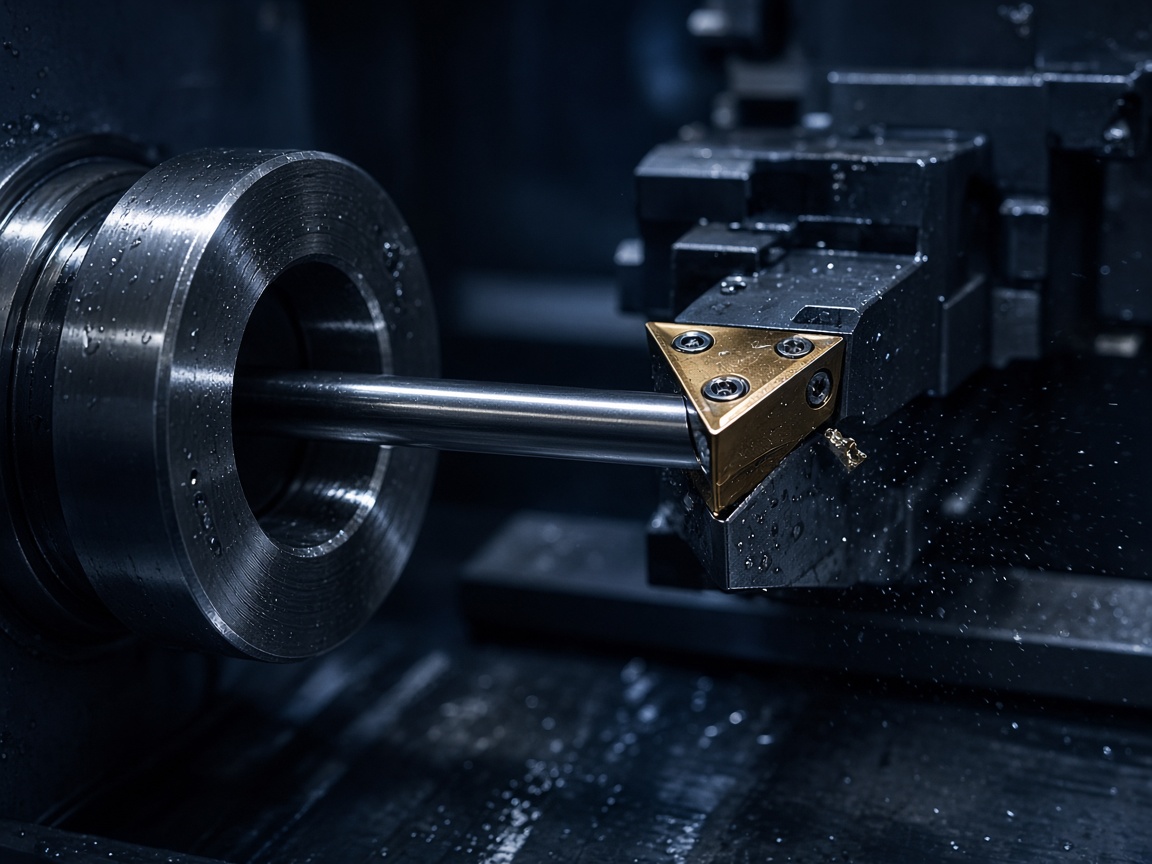
The sliding headstock feeds the bar through a bushing that sits millimetres from the tool. Deflection drops because the force and the support share a station. That is the whole Swiss idea.

Capabilities
The bar slides through a guide bushing; the cut happens next to that support — not a foot of stick-out on a chuck lathe. Bluesky Tooling Swiss-turns slender pins, shafts, screws, and needles when L/D would chatter on a conventional cell. Short fat work stays on CNC turning. Uploads stay on this server.
Swiss is a support story. If the print does not need the bushing, we will not sell you the cell.
The sliding headstock feeds the bar through a bushing that sits millimetres from the tool. Deflection drops because the force and the support share a station. That is the whole Swiss idea.
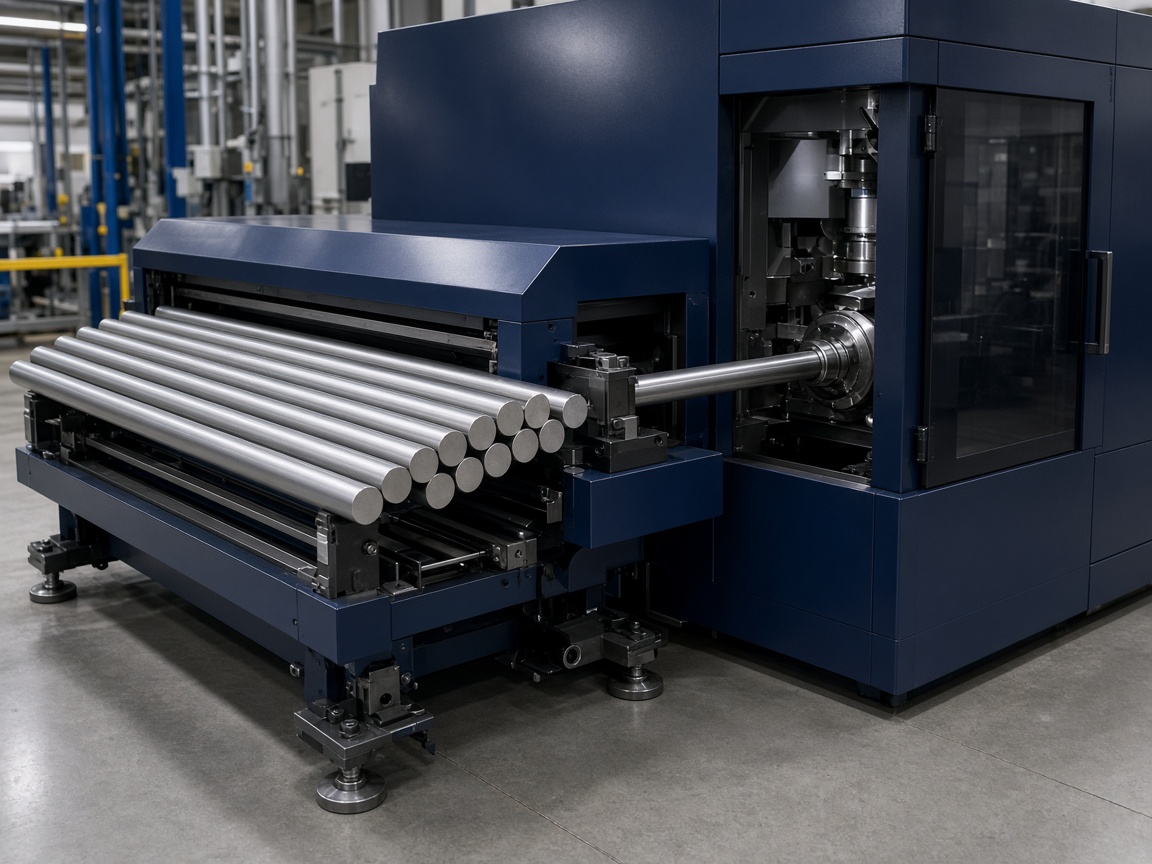
Round (and sometimes hex) bar into an automatic feeder. Once a first article is locked, the next hundred pieces reuse the same program. Leave a remnant note — Swiss bars always leave one.
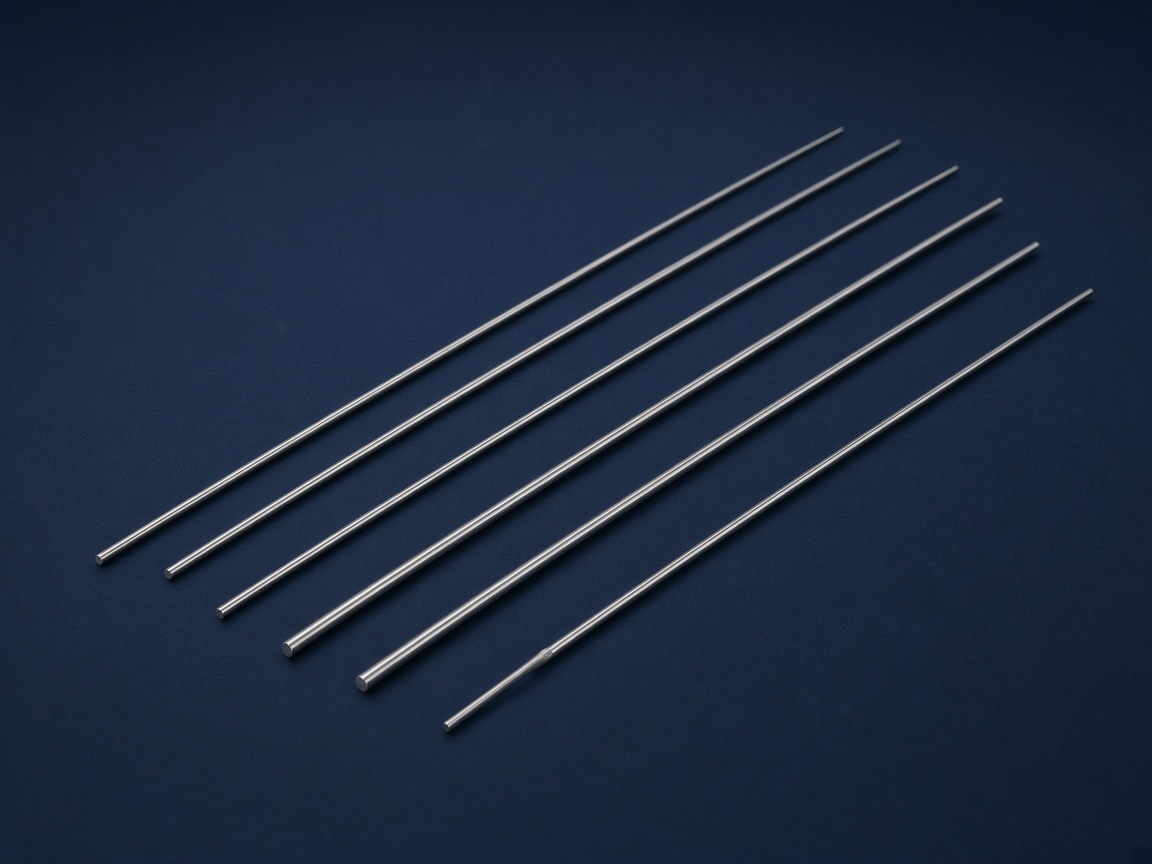
Past about 5:1 on a chuck we start talking Swiss or a steady rest. High L/D pins and needles are the honest Swiss buy. A short stout bushing is not.
Print wins. These are shop talk numbers — not a brochure claim of ±0.001 mm on every diameter.
| Work | Bar-fed Swiss-type lathe. Sliding headstock + guide bushing. Live-tool and sub-spindle when the print needs both ends and a cross feature in one cycle. |
|---|---|
| Diameter talk | Small OD first. Typical conversation is well under a conventional chuck swing — ask before a large blank. Very small stock is quoted against the tool we actually have. |
| L/D talk | Swiss when stick-out would chatter. High aspect (about 10:1 and up) is why this cell exists. Longer than the bushing setup allows is a review, not a yes. |
| Linear / diameter | ±0.05 mm general; tighter when ballooned and purchased. Fine on three features is a different quote than fine on every edge. |
| Wall talk | Thin tubes stay even because the bushing holds the cut. Still name the wall. 0.8 mm metal is talk, not a promise on a long cannula. |
| Threads | Metric or UN as a written standard. Rolled or single-point — say which. “Make it grip” is not a spec. |
| As-turned | Tool marks stay. Polish or grind only on marked faces. As-machined talk is typically Ra 1.6 μm or better on this cell unless you write a cosmetic band. |
| Live-tool | Cross holes, flats, hex, slots, knurl — in cycle when cheaper than a second mill. If a 5-axis mill is still cheaper, the quote says so. See also turn-mill. |
| Files | STEP, IGES, SLDPRT, PDF — disk only |
No account. Files stay on this server and open only in the staff inbox.
Upload the pack. We will say if a chuck lathe is the cheaper honest pick.
After you confirm. First article on the production program — not a different cell.
Inspected to the balloons you bought, packed to the quote address.
The bushing is the point. Without a slender problem, Swiss is the wrong buy and we will say so.
Live-tool flats and a sub-spindle back end stay on this bar when a second chuck would stack error.
The next hundred pieces reuse the same tool list. Prototype and production share a program when you want that.
STEP and PDF land in uploads/quotes. Staff only. Never SMTP.
A Swiss cell is not a smaller chuck lathe. The support location is different, so the quote is different.
| Swiss turning | Conventional CNC turning | |
|---|---|---|
| Support | Guide bushing at the tool | Chuck (or collet) away from the cut |
| Practical L/D | High aspect — the reason to buy this cell | About 3:1 to 5:1 before chatter talk |
| Best diameter | Small OD bar, slender pins and needles | Short fat fittings, larger swing |
| Headstock | Sliding — bar feeds through the bushing | Fixed — the tool walks the length |
| Lots | Bar-fed repeats after a locked FAIR | Bar or chucked; load/unload can dominate small parts |
| Cross work | Live-tool in cycle when the turret allows | Live-tool or a second mill — see turn-mill |
| Honest pick | High L/D, small OD, bar volume | Short stout, large OD, one-off chuck work |
If it is a box, mill it. If it is a fat shaft, turn it. If it is a long thin pin, Swiss it. Mixed OD plus a lot of prismatic faces may still belong on a mill. The quote names the cell.
Bar we actually program. Name the grade. Implant-grade and vacuum-remelted stock are a sourcing conversation, not a default swap.
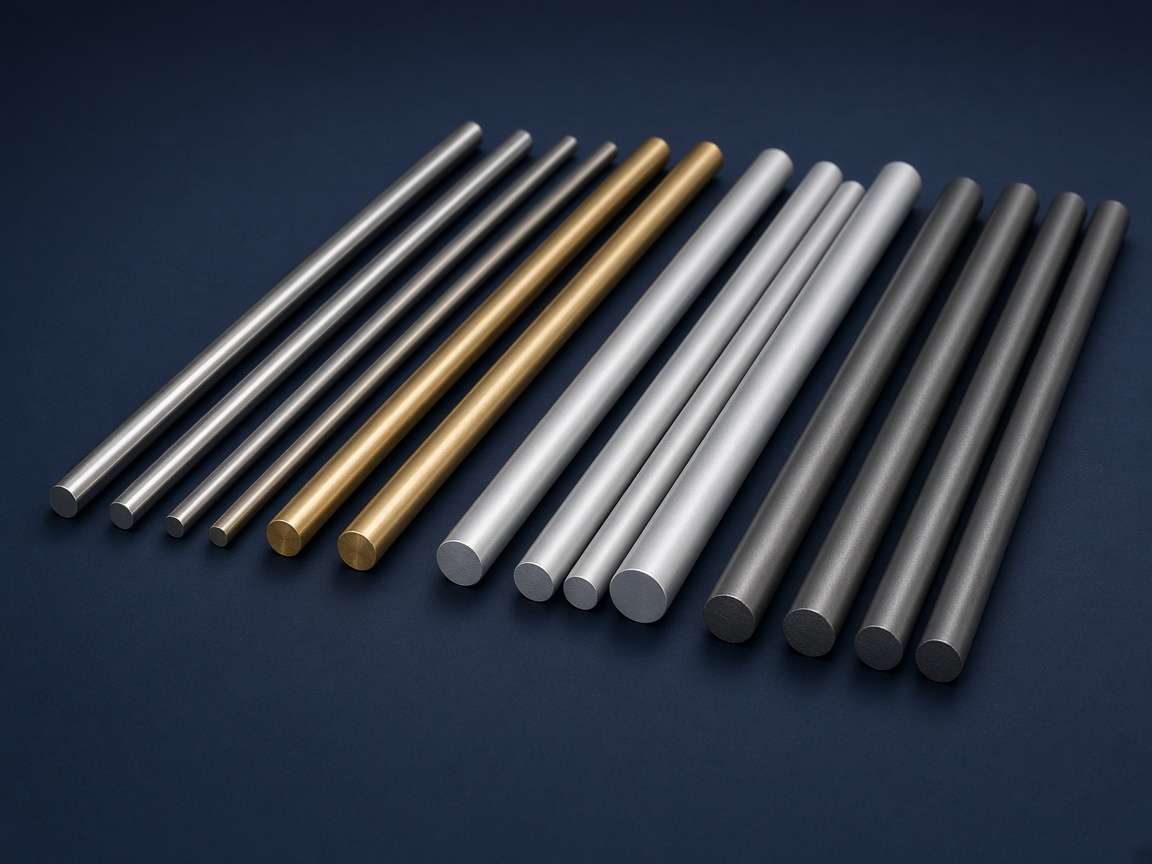
Unmarked diameters stay as-turned. Cosmetic or grind faces must be drawn. Plate after a fit changes the diameter.
Default. Tool marks stay. Typical talk Ra 1.6 μm on this cell.
Even matte. Mask threads if they cannot be blasted.
Stainless when corrosion is called. Not a free polish.
Aluminum Type II / III as written. Dye is a range.
Zinc, nickel, or black oxide — thickness on the PDF.
Marked faces only. Stock must be left for a ground band.
Medical-adjacent and automotive pins are the usual inbox. Electronics contacts and instrument shafts sit in the same envelope.
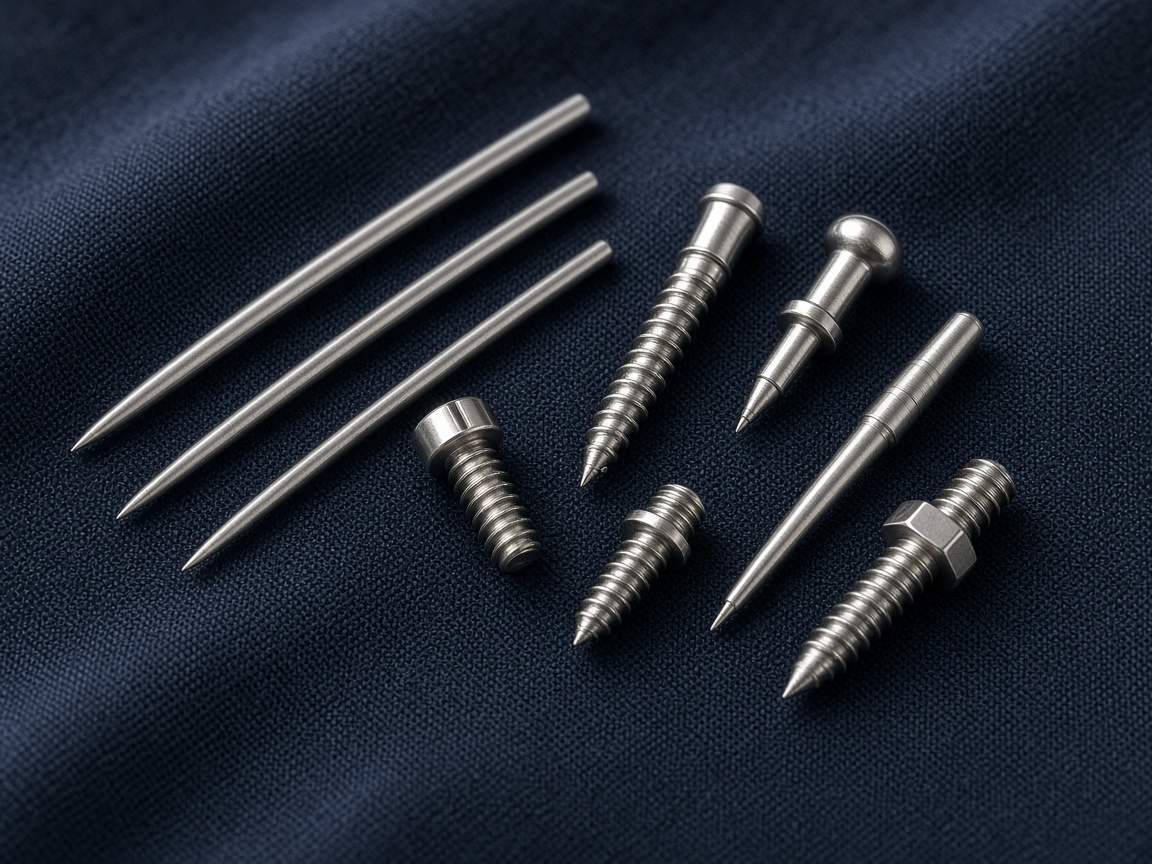
Bone-screw-like fasteners, needles, and slender instrument shafts. Inspection and material certs are line items — not a brochure claim. We do not invent an implant grade you did not write.
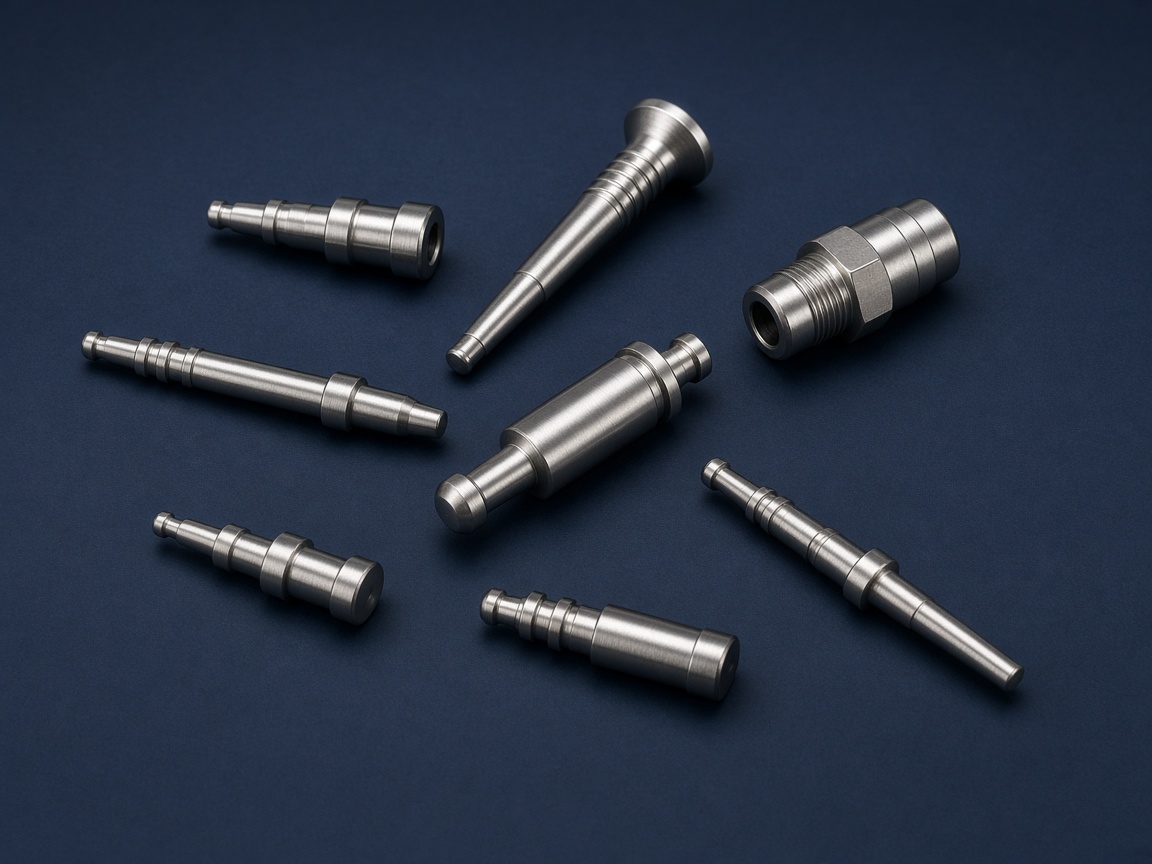
Valve stems, sensor shafts, injector-adjacent pins when the print is real. Bar lots after FAIR. A fat fitting still belongs on the chuck lathe.
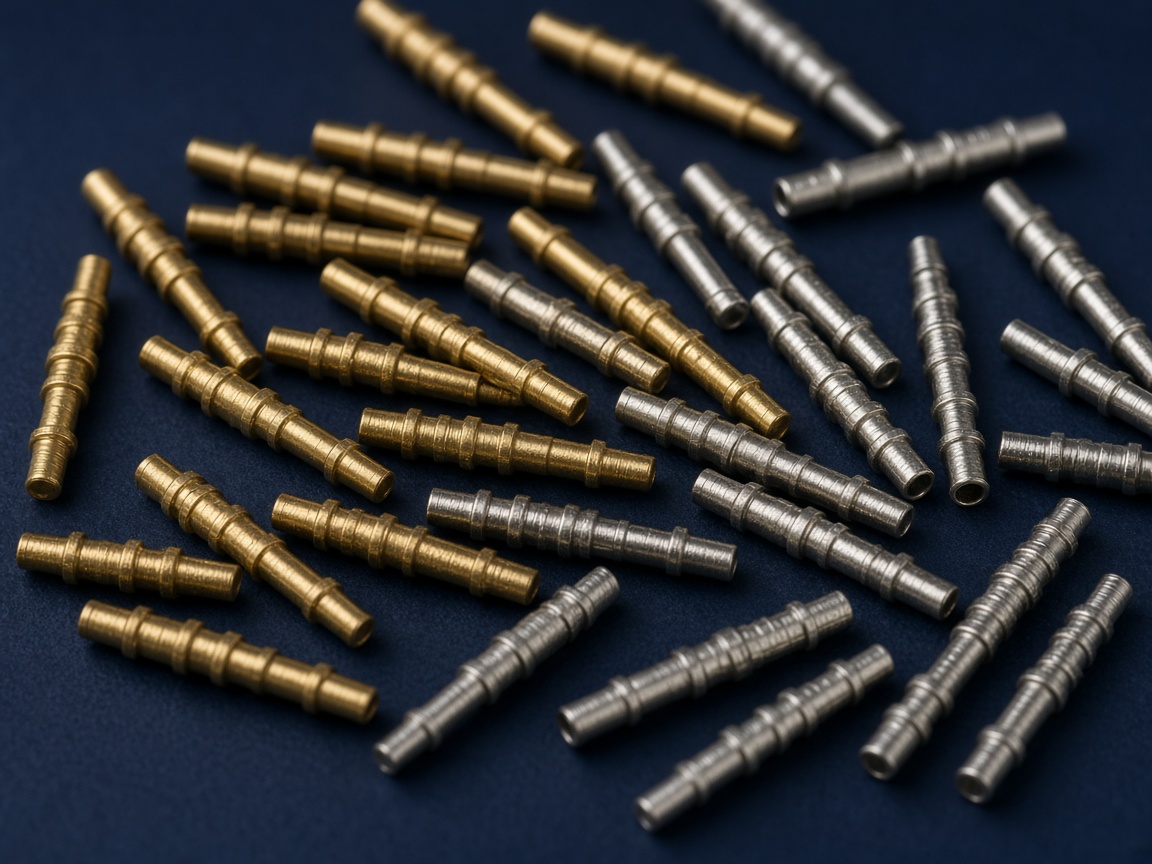
Connector pins, micro screws, and small arbors. Aerospace-adjacent fasteners and optical adjusters when you balloon the band. Below our honest min OD we will say so.
Swiss bars leave a remnant. Say if a feature cannot sit in that last length, or we will ask.
Write the finished L/D. Past chuck talk we will pick Swiss or refuse the stick-out. Do not hide a 20:1 pin inside a “shaft” title.
A feature larger than the bushing bore cannot pass. Steps that must travel through the bushing need a conversation — sometimes a bushingless mode, sometimes a conventional lathe.
The bushing helps, but a long thin tube still needs a wall on the PDF. Deep ID vs OD is a different quote than a solid pin.
Write the class. If you plate after a fit, say so — the diameter moves. Rolled vs cut is a note, not a guess.
Live-tool in cycle when it is cheaper. A deep radial hole on a 1 mm bar is a feasibility check, not a yes.
We work to the band on your drawing. If you write nothing, we say which shop default we used. Reports are line items.
| General talk | ISO 2768-style when you write the class. Metals vs plastics are different conversations. Untoleranced edges are not automatically “fine.” |
|---|---|
| Threads | Metric or UN as a standard — not “tap here.” |
| Inspection | Diameters you ballooned. CMM / FAIR / material certs are line items, not a free pack on every pin. |
| Cosmetic | Show faces marked. Unmarked stay functional as-turned. |
| Files | Disk only — never emailed. |
STEP plus a PDF. Files stay on the Bluesky Tooling server and open only in the staff inbox.