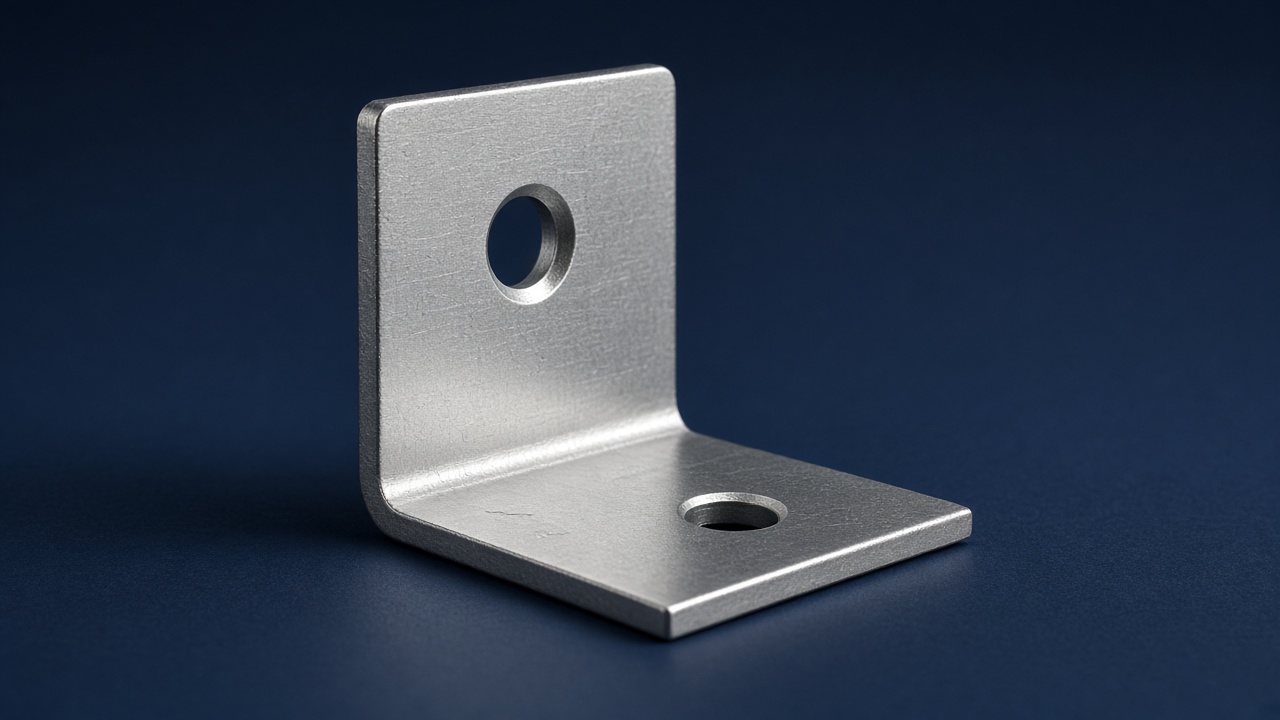
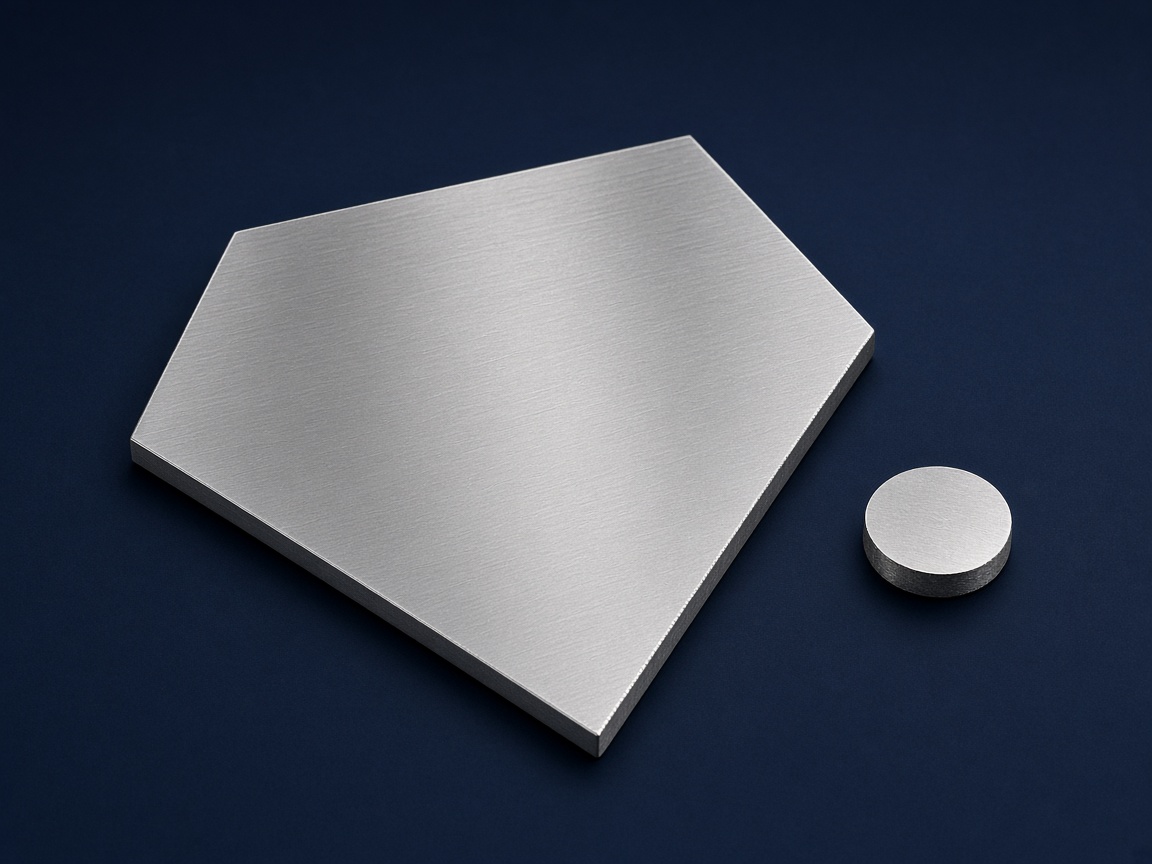
Blanking
The outline is the part. The slug around it is scrap. Nest the blank or we will say the yield is poor before we cut steel.
First hit on most flats. Coil or sheet.

Capabilities
A press and a die hit coil or blank when the yearly number makes steel honest. Bluesky Tooling will blank, pierce, bend, and draw the features you ballooned — progressive, transfer, or compound. Twenty pieces stay on laser-plus-form. We will not sell a hard tool as theater. Uploads stay on this server.
Stamping is a family of hits, not one magic stroke. Name the operation you need. We will not guess a cup from a flat DXF.
The outline is the part. The slug around it is scrap. Nest the blank or we will say the yield is poor before we cut steel.
First hit on most flats. Coil or sheet.
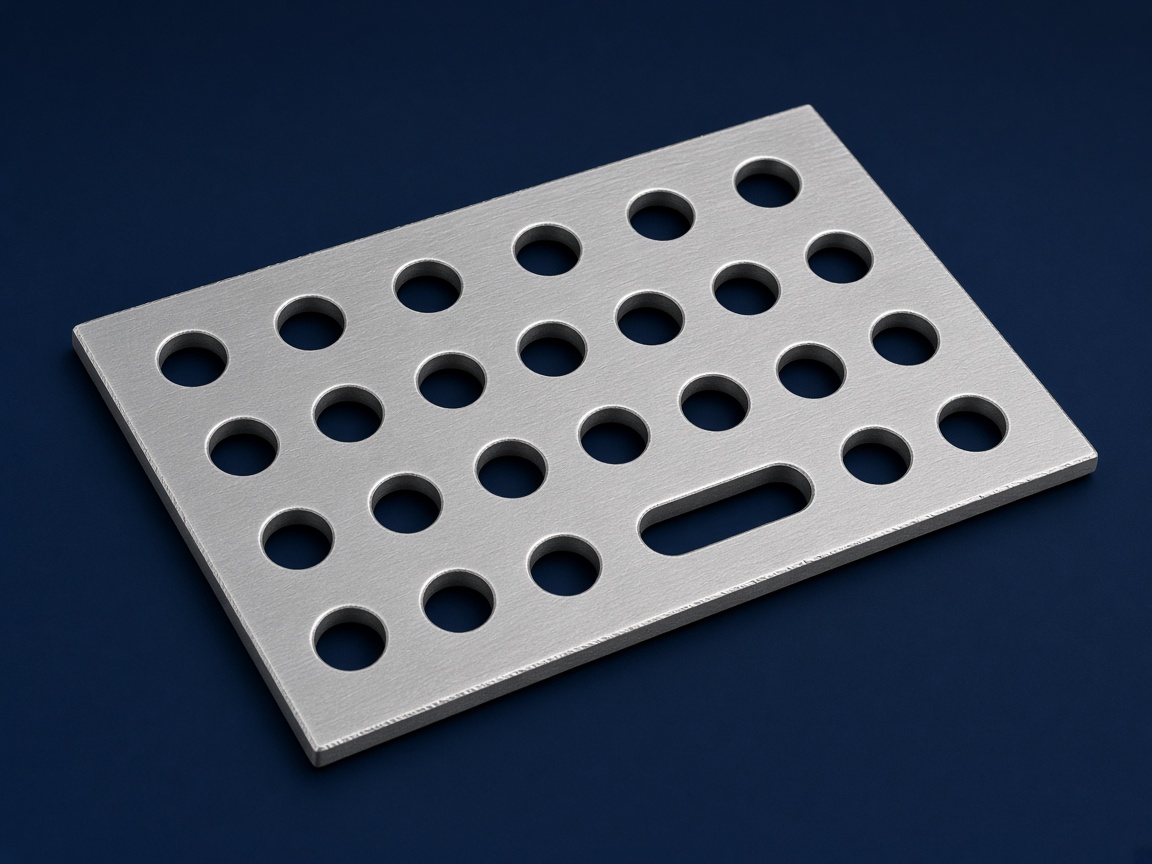
Holes and slots cut in the strip. The slug in the hole is scrap this time. Keep pierces off the bend and off the edge — see DFM below.
Mount holes, vents, clearance.
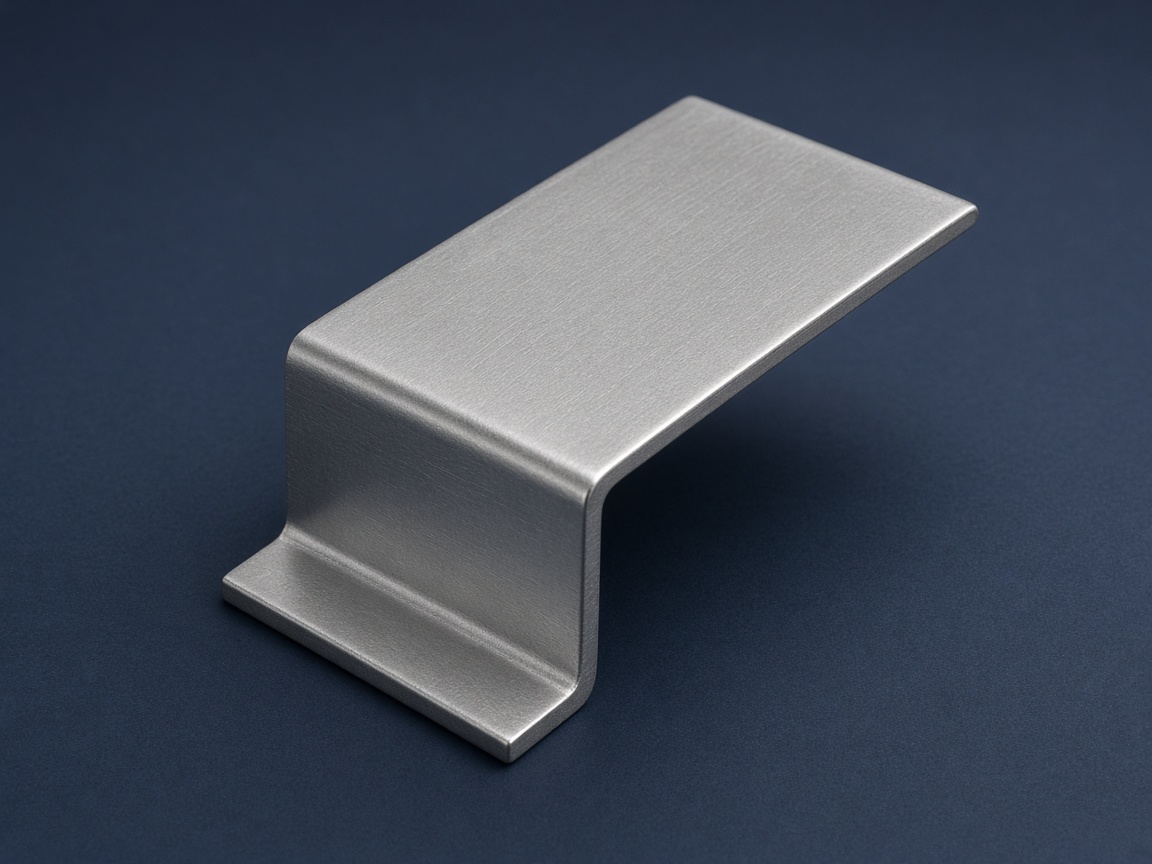
A flange or a channel in the die. Spring-back is real. Balloon the angle you will measure. Inside radius should be about one thickness unless you bought a tighter tool.
Brackets, clips, formed flats.
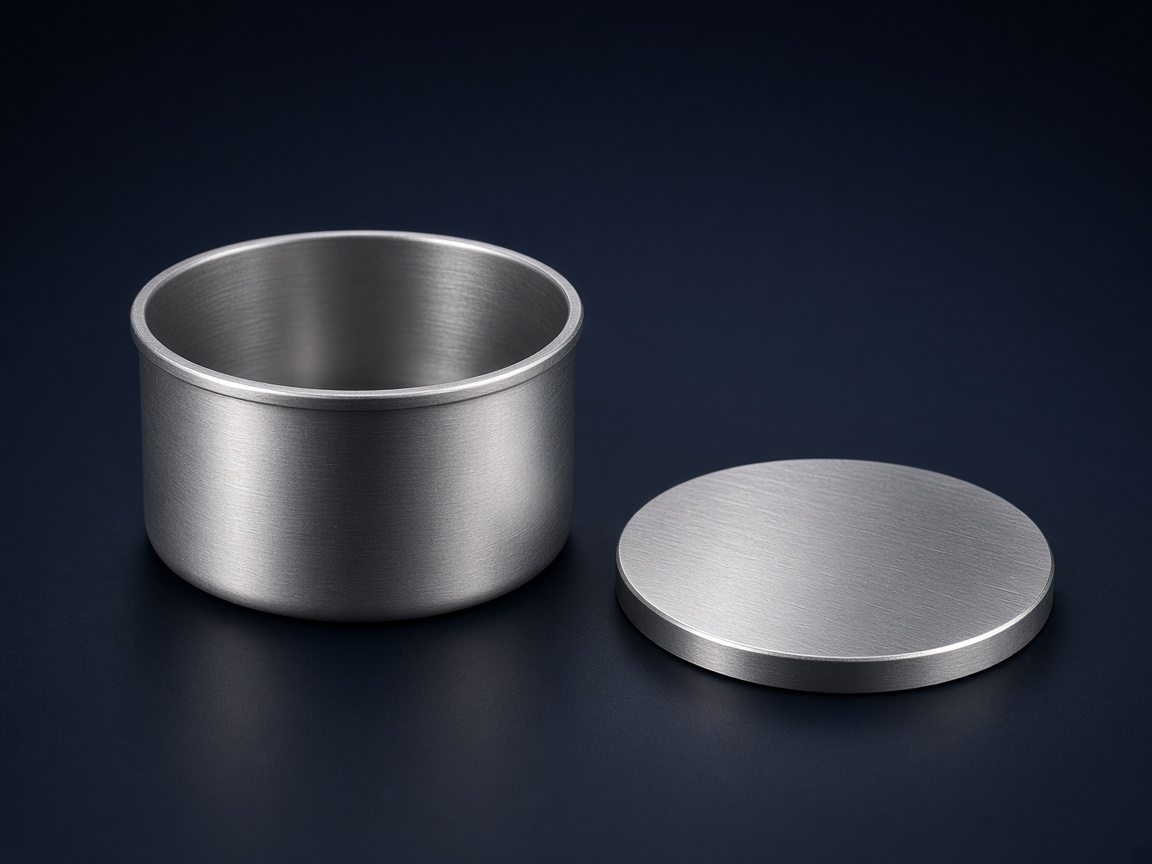
A punch pulls the blank into a cavity. Shallow cups first. Deep draw is a different die, a different press talk, and a wrinkle/tear conversation. Write the depth vs opening.
Shells, cans, pockets — not a brake job.
The die type is a volume and geometry call. We pick from the strip — not from a photo of a million-stroke line.
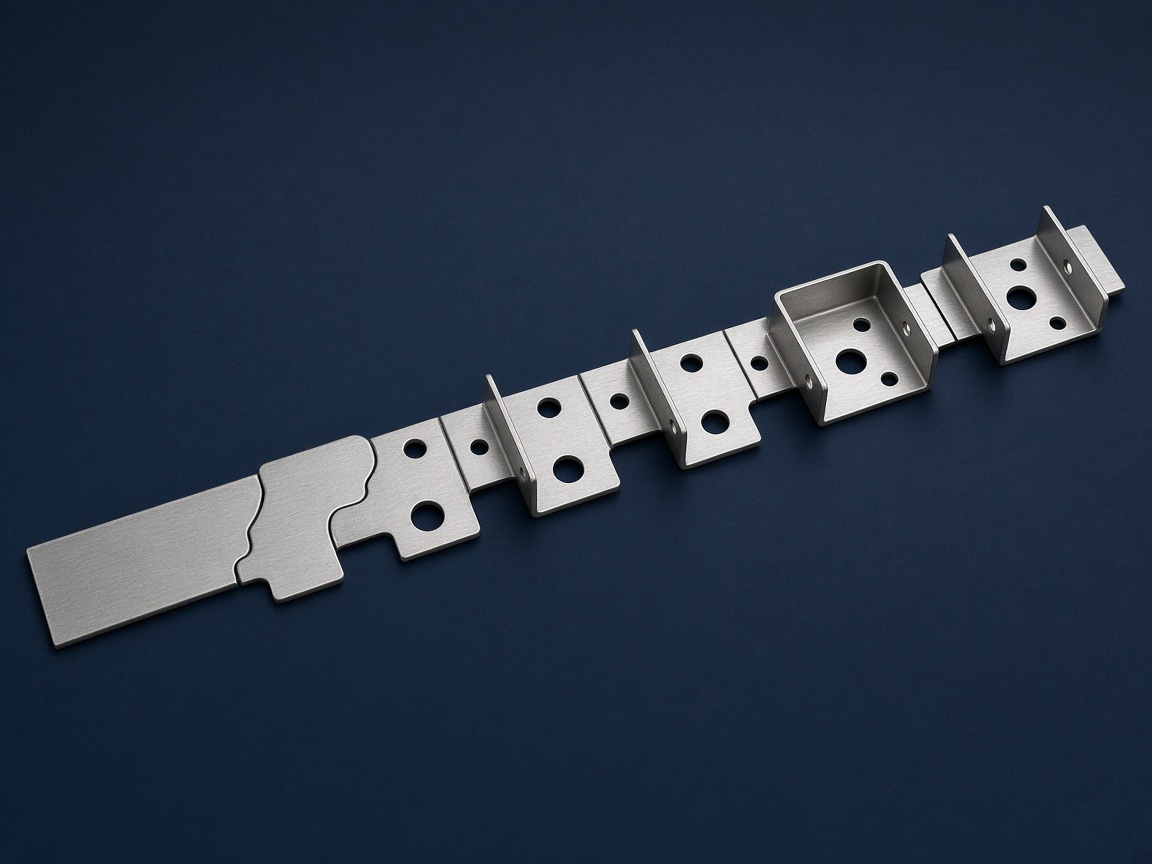
Coil stays attached on carriers. Each station blanks, pierces, or forms. The finished part drops at the last hit. Fast once the strip is locked. Tool steel is a real line item.
Yearly thousands. Small-to-medium parts that can ride a carrier.
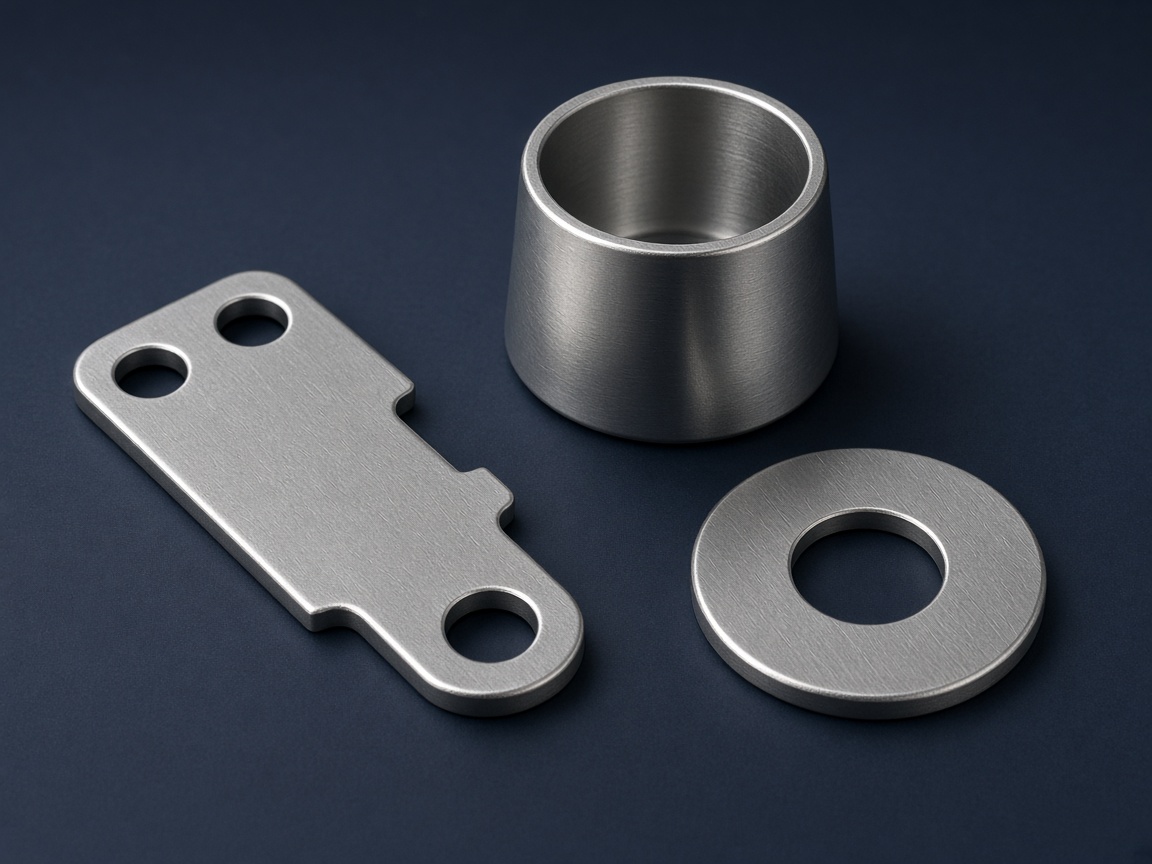
The blank is cut free, then moved station to station. Better for a large cup or a part that cannot stay on a skinny carrier. More handling. Different press talk.
Larger shells and drawn work.
Blank and pierce in one stroke so the hole-to-outline relationship stays in one hit. Flat washers, gaskets, and simple plates. Not a forming die.
Flat parts where relationship matters more than a long strip.
Print wins. These are shop-talk numbers — not a brochure claim of ±0.05 mm on every flange of a 400 mm panel.
| Decision | Die or laser-plus-form — written on the quote, never both as a mystery |
|---|---|
| Operations | Blank, pierce, bend, draw, trim. Emboss / flange / hem when the print is real |
| Die types | Progressive, transfer, compound, or a short-run single-hit tool |
| Thickness talk | Common 0.3–3 mm coil. Heavier plate is a press and die conversation, not a default |
| Linear talk | About ±0.1 mm on a small flat pierce-to-pierce when the tool is locked. Formed features are wider |
| Bend talk | Angle you ballooned. Spring-back is expected. Inside R ≈ 1× thickness unless you bought tighter |
| Draw talk | Shallow first. Depth vs opening on the PDF. We will say no before we wrinkle a cup |
| Tryout | T1-style shots and a list if steel is cut. The list is not frozen until you say so |
| Files | STEP + PDF (and a flatten / DXF if you have one) — disk only |
Volume is the first balloon. Feature count is the second. We show both paths when it is close.
| Lot | Honest pick | Not this |
|---|---|---|
| Twenty pieces, still moving | Laser + brake | Hard progressive steel |
| A few hundred, simple form | Laser + brake, or a short-run single-hit die if the nest loses | A million-stroke strip as decoration |
| Yearly thousands, same flange | Progressive or compound | Paying a laser nest every week |
| Large drawn shell | Transfer / draw die | Forcing it onto a skinny carrier |
| Art sculpture / one-off | No | A custom die for a photo |
Same sheet. Two desks. See also laser cutting and bending. The quote says which one we will actually run.
| Stamping die | Laser + brake | |
|---|---|---|
| Tool cost | Real steel. Line item. Tryout loop | Almost none. Nest and bend program |
| Piece cost | Drops once the strip is locked | Stays a nest-and-brake price |
| Lead to first part | Die design + tryout — weeks, not a one-day hit | Usually the faster first article |
| Repeatability | Same carriers, same hits | Fine for short lots; operator and nest vary more |
| Geometry | Pierce + form + draw in one tool family | 2D cut, then a brake. Deep draw is a no |
| Change after lock | Die edit. Priced | A new nest. Cheaper to move |
No account. Files stay on this server and open only in the staff inbox.
Upload the pack on Get a Quote. Yearly qty, grade, and finish on the PDF. Nothing is mailed.
After you confirm. We will say if laser-plus-form is cheaper, or if the die is the honest pick.
Inspected to the balloons you bought. Tryout list first if a die was cut.
Die cost is a line. Twenty pieces stay on the laser. We will not bury a tool in a piece price.
If a brake and a nest win, the quote says sheet metal. If a shaft wants a lathe, that is a different page.
SPCC is not 304. 5052 is not 6061. Grain direction is a note when a bend lives across it.
STEP and PDF land in uploads/quotes. Staff only. Never SMTP.
Coil and sheet we actually form. Name the grade. Exotic nickel or titanium is a conversation when the print is real — not a catalog default.
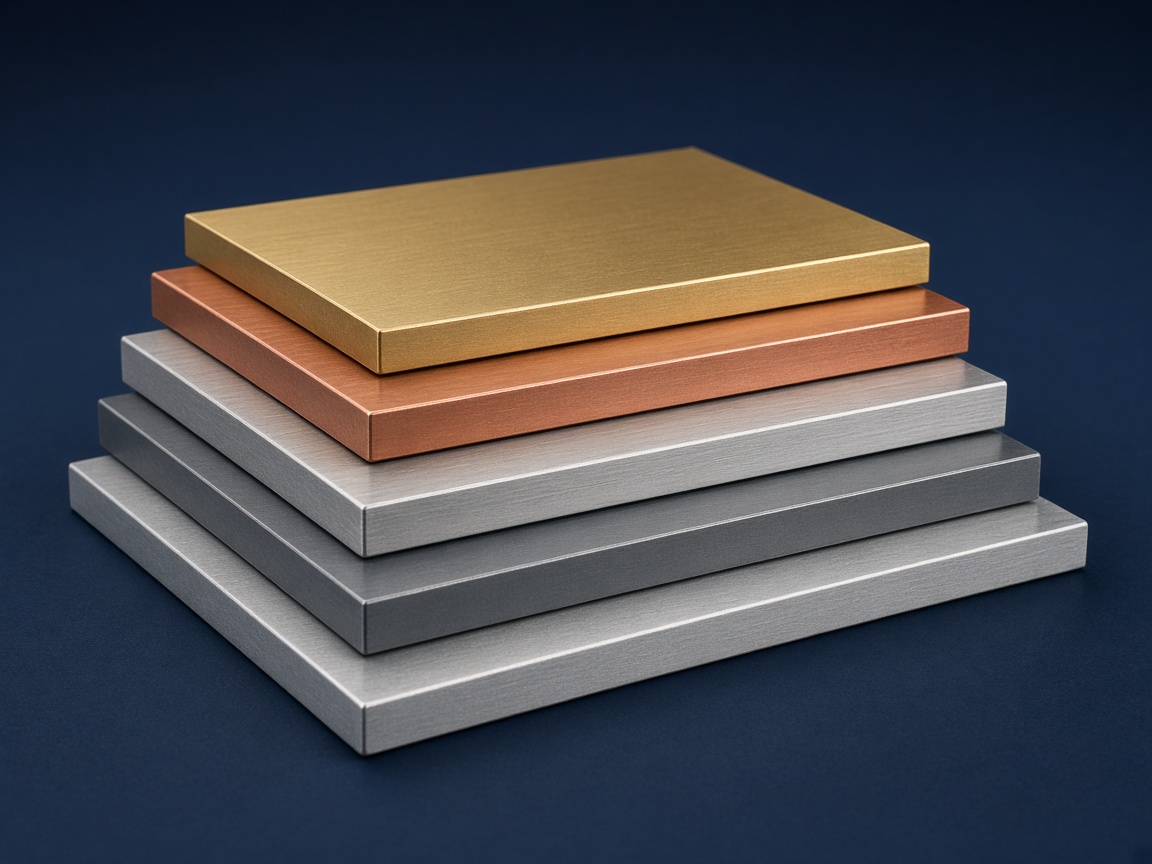
As-stamped is functional. Cosmetic faces and coats must be drawn. Film is thickness — holes change.
Default. Shear burr knocked. Edges are not a jewelry polish unless you bought that.
Ferrous. Mild rust talk. Film eats a hole — call the after size.
After hardware rules are clear. Mask threads and grounds.
Aluminum Type II / III. Dye is a range, not a Pantone.
Stainless when written. Not a chrome look.
Even matte before coat, or as a look of its own.
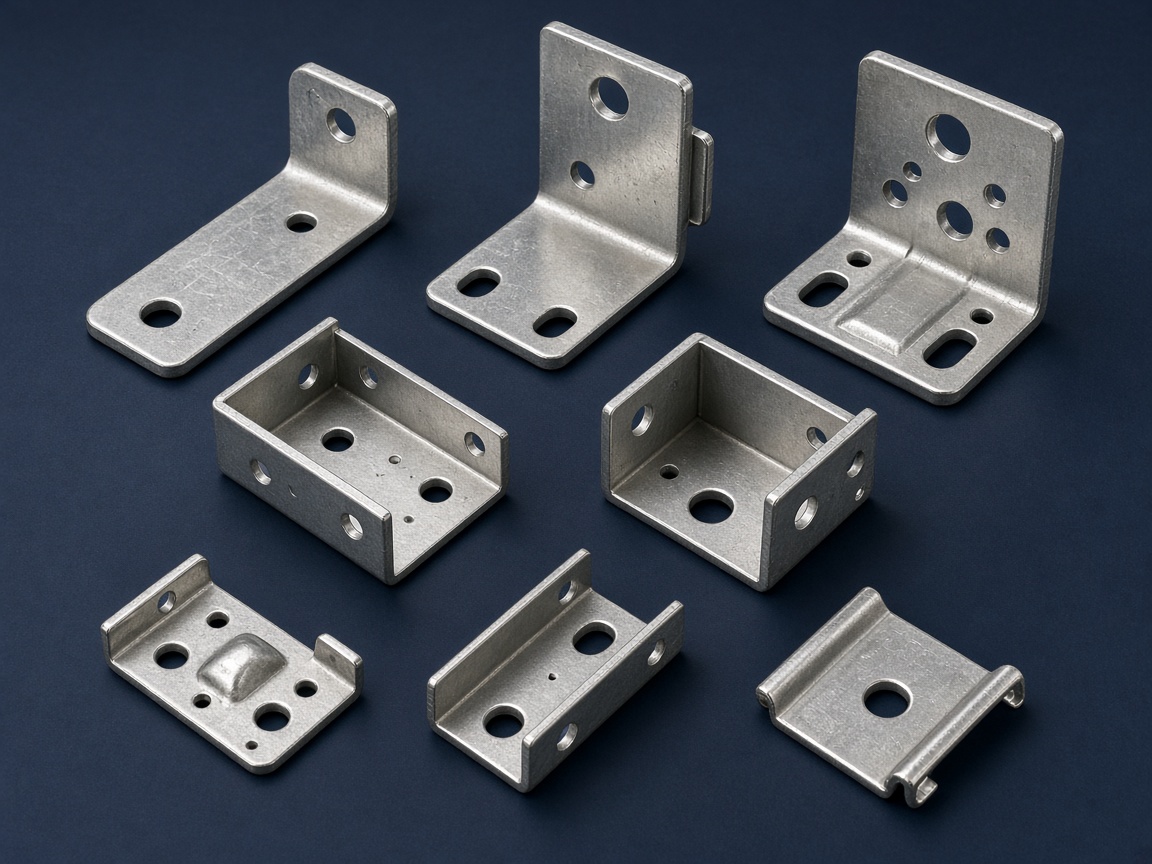
The same flange all year. Clips and mounts when the print is real — not a catalog claim of every car line.
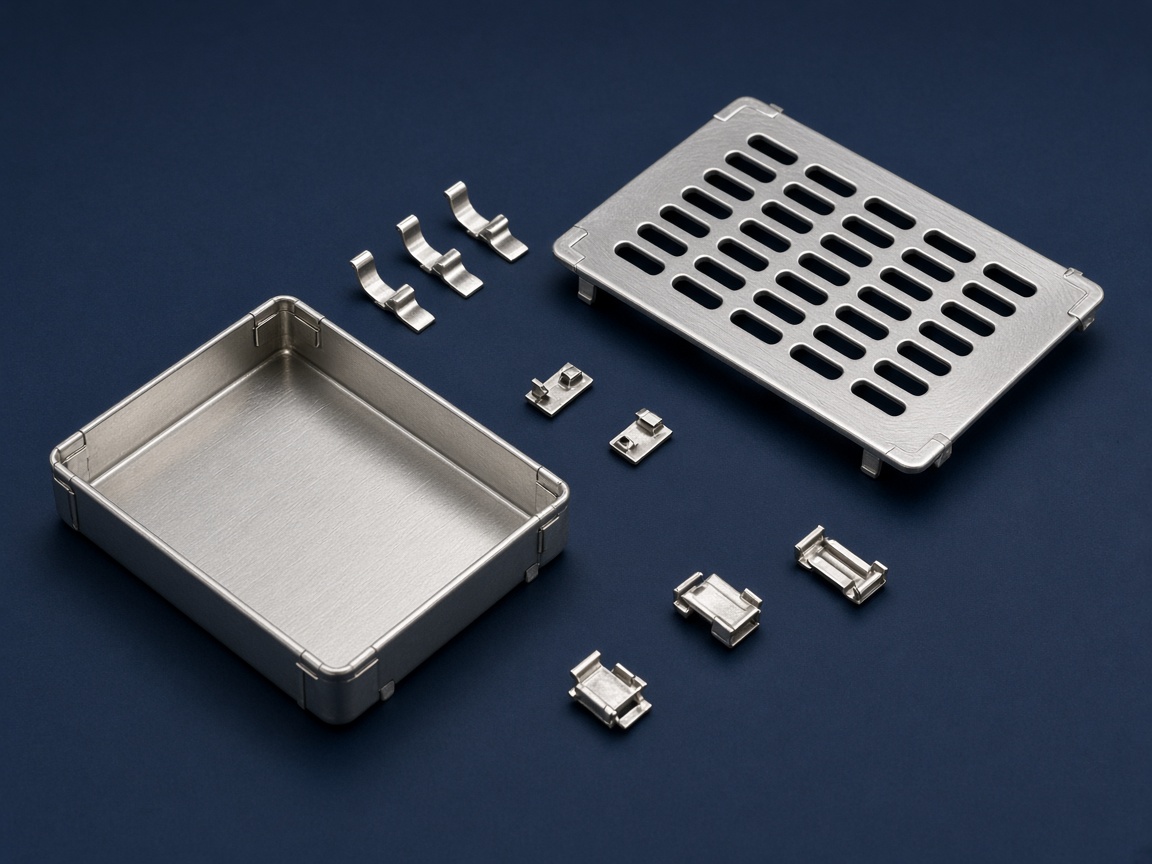
Cans, contact fingers, and thin covers. Copper and brass when you name the grade. Grain matters on a spring finger.
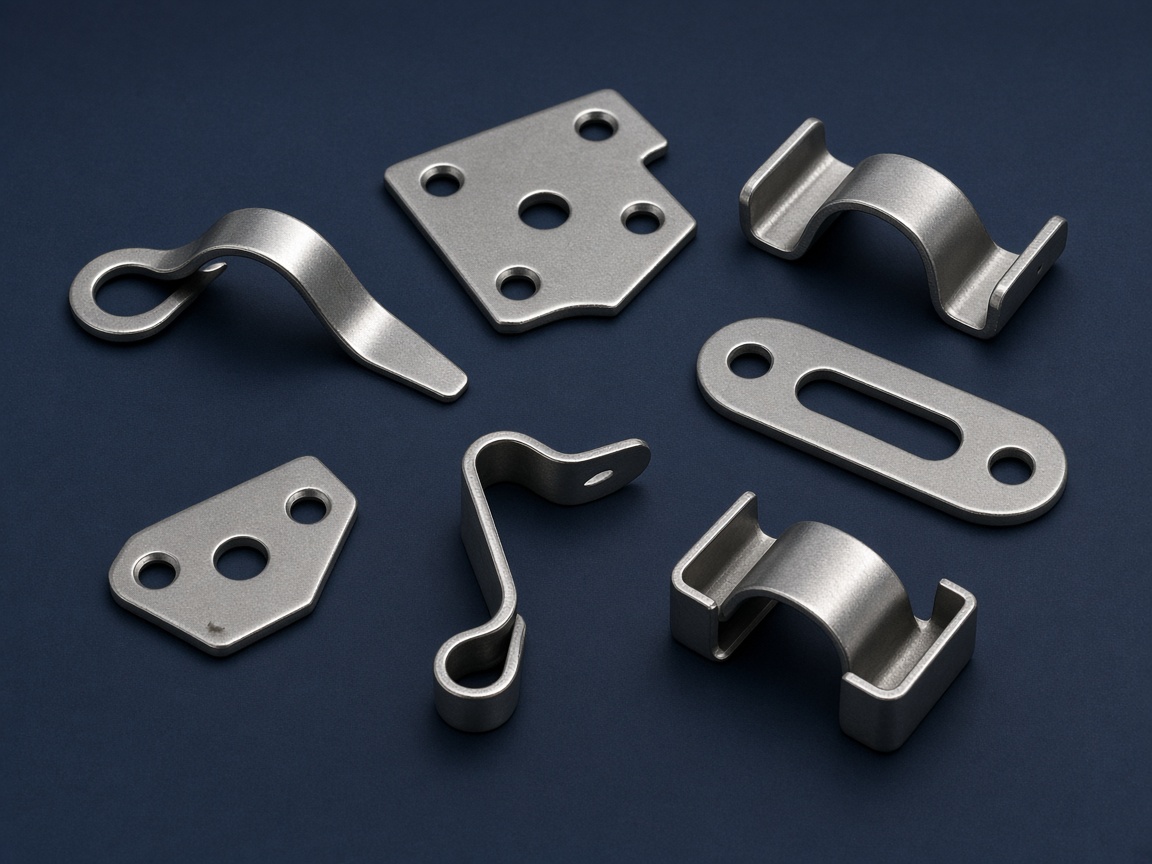
Retainers, appliance hardware, and repeating flats. Medical-adjacent only when you buy the inspection.
A die copies the strip we lock. Scrap, grain, and hole-to-edge are not “shop will figure it out.” More notes: sheet-metal DFM.
The metal around the blank is money. A wild outline that will not nest is a yield line on the quote. We will show a nest note — not silently eat 40% coil.
Coil has a roll direction. A tight bend across grain can crack, especially in 301 and some aluminums. Mark grain when a spring finger or a sharp flange cares.
A pierce too close to a sheared edge distorts. Keep about 2× thickness to the edge, more on soft aluminum. Closer is a die conversation, not a free request.
A hole sitting on a bend line becomes an oval. Keep about 2× thickness plus the inside radius off the form. Pierce after form only if the tool is built for that.
About one thickness is talk. Sharper needs a different die and more spring-back risk. A zero-radius CAD flange is a no.
Box corners tear without a notch. Draw a relief. We will not invent one and hope the flange sits flat.
We work to the band on your drawing. If you write nothing, we say which shop default we used — and we will still ask for yearly qty.
| General talk | ISO 2768-style when you write the class. Formed features are a wider conversation than a flat pierce. |
|---|---|
| Inspection | Balloons you marked. First-article / tryout list if a die is cut. CMM is a line item. |
| Cosmetic | Show faces marked. Die witness and coil lines stay on unmarked faces. |
| Hardware & coat | After size if you plate or powder. Inserts after form unless you said otherwise. |
| Files | Disk only — never emailed. |
STEP plus a PDF. Yearly qty, grade, and finish on the drawing. Files stay on the Bluesky Tooling server and open only in the staff inbox.