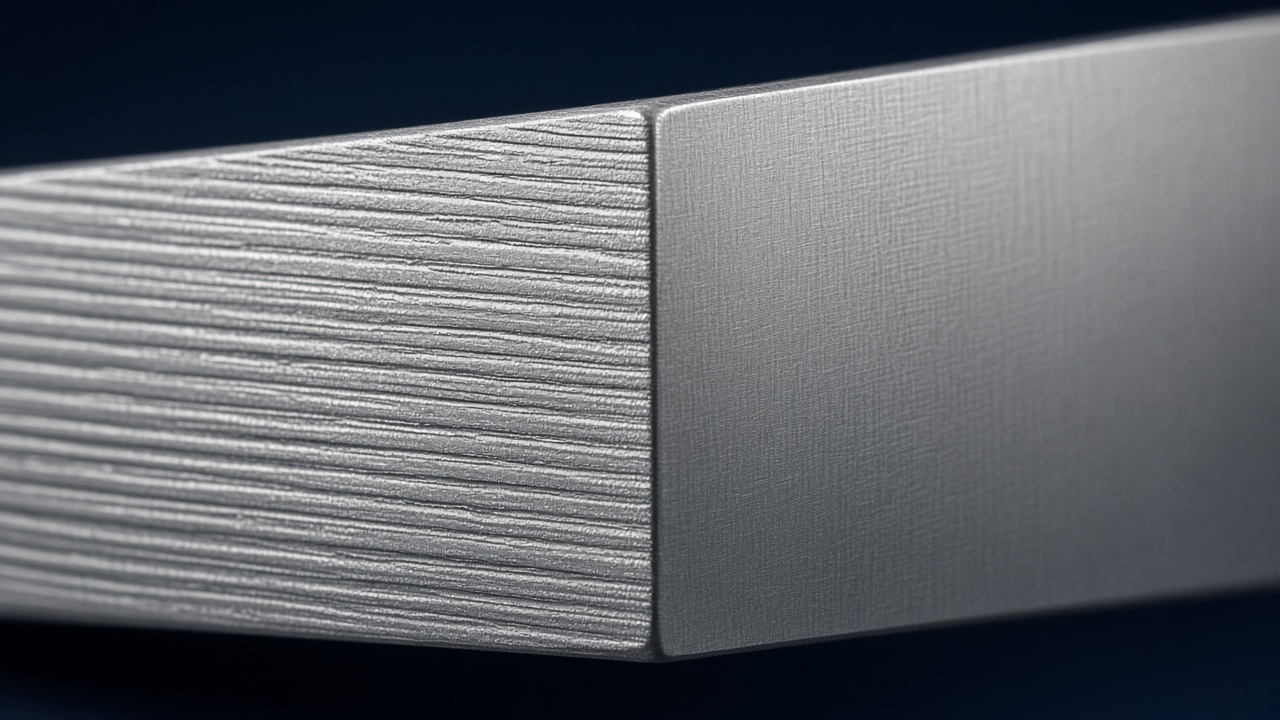
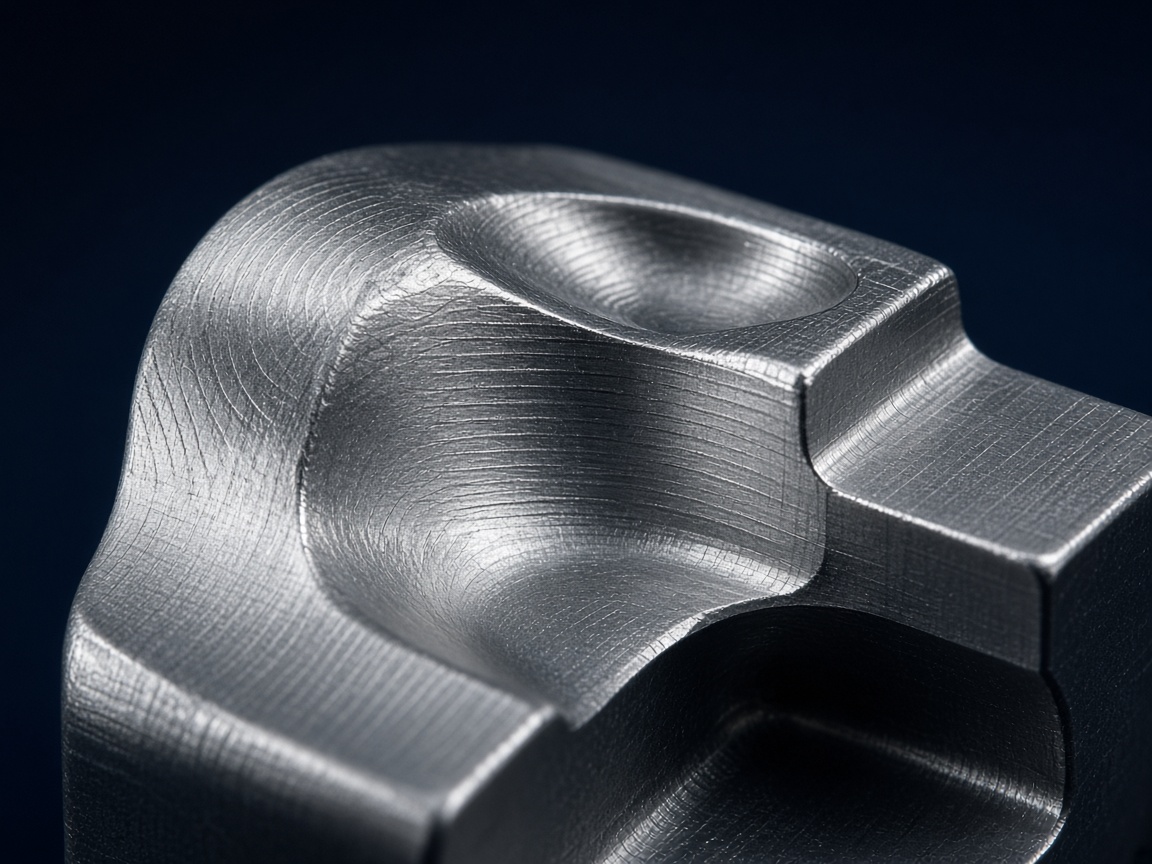
As-machined
Tool marks stay. Typical CNC talk Ra 3.2 μm (about 125 μin). Fast, honest, functional.

Most-referenced guides
Ra is the average deviation of a profile from the mean line. It is a number on a face — not a vibe, not “make it pretty,” and not a hidden polish on every pocket. Unmarked faces stay functional. As-machined on this desk is typically a Ra 3.2 μm conversation unless you write another value.
ISO 4287 / ASME B46.1 define several parameters. Ra is what most prints use. Rz is average peak-to-valley. Rt is total height. If you write “smooth” we will ask which number.
| Parameter | What it is | When to write it |
|---|---|---|
| Ra | Arithmetic average of the profile | Default callout on this desk |
| Rz | Average of the tallest peaks / valleys | Seals and fatigue faces when your spec uses it |
| Rt | Total peak-to-valley | Rare; say so if incoming uses it |
A stylus profilometer on the face you marked, or a comparison plate for a functional look. Optical methods exist; we use what the quote bought.
Tool marks stay. Typical CNC talk Ra 3.2 μm (about 125 μin). Fast, honest, functional.
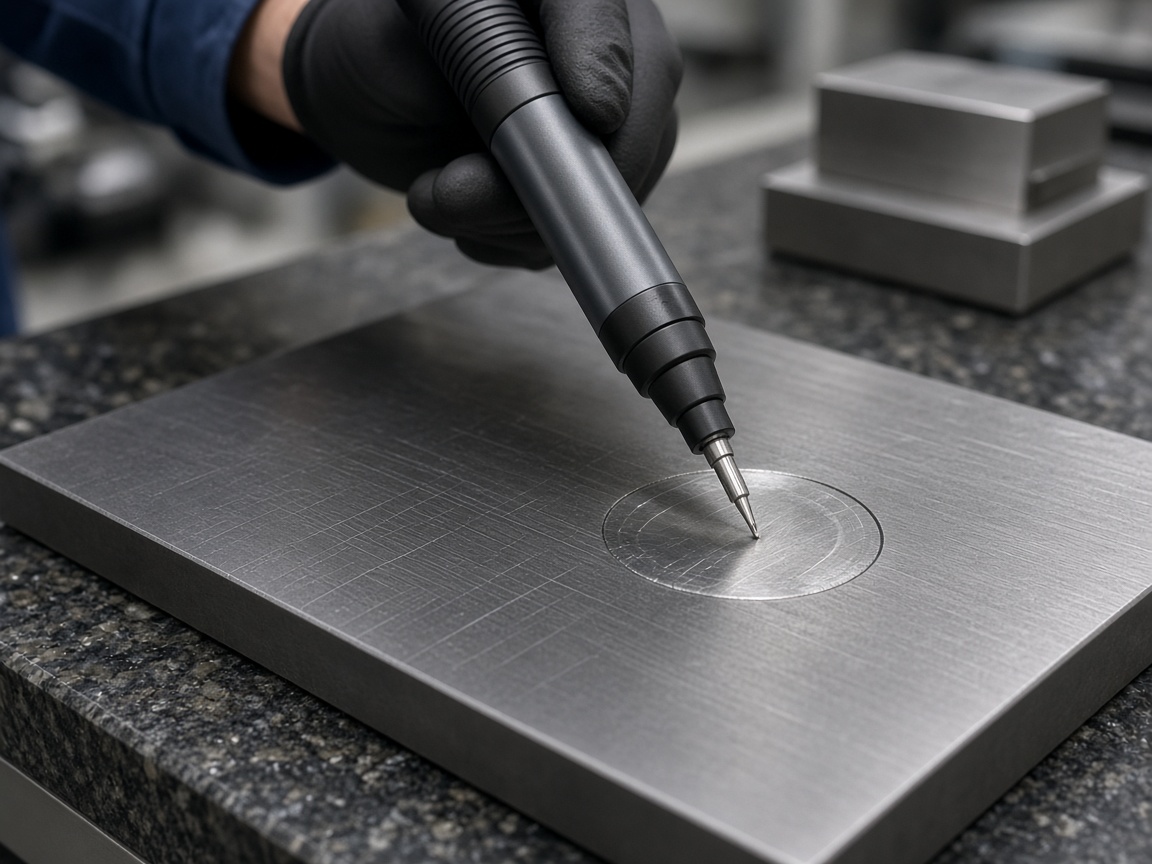
A number plus a face. We may change feed, grind, or polish. Ra 0.8 is a process change, not a checkbox.
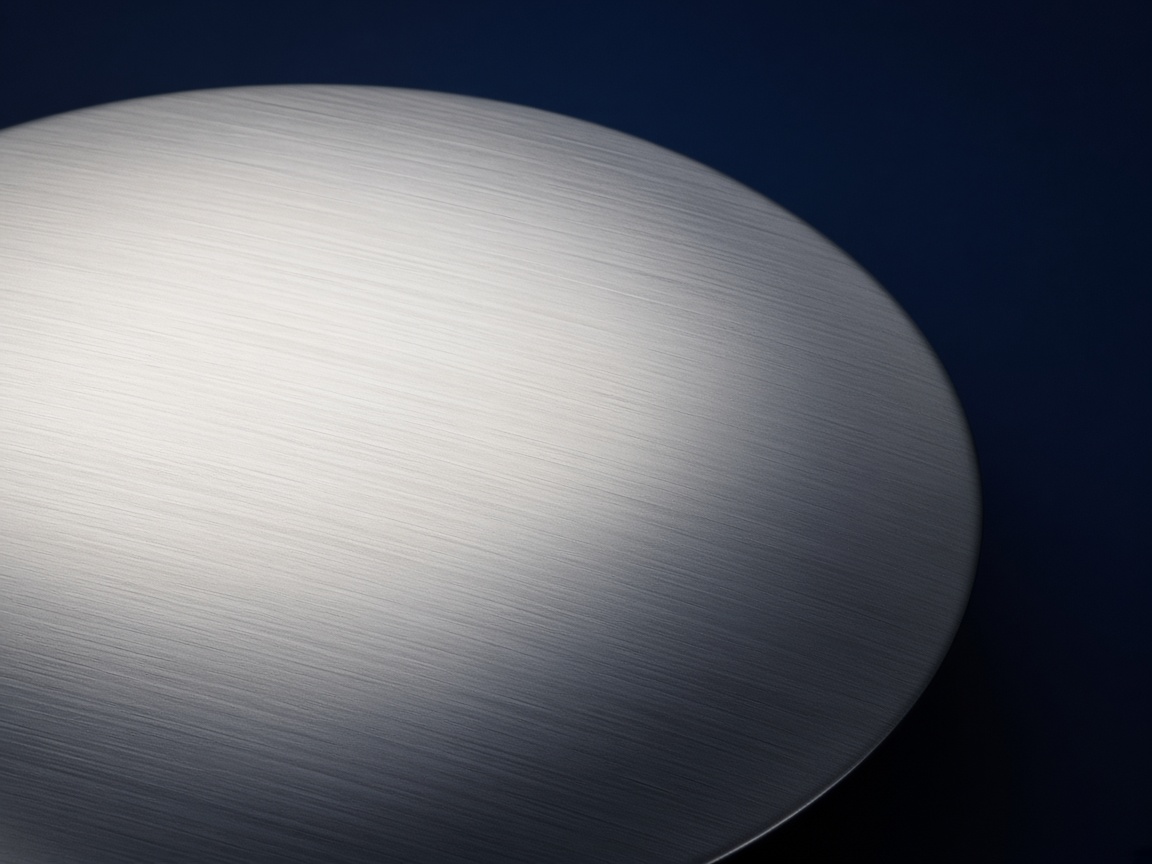
Mark it. Mirror on every pocket is a different quote. Bead blast and anodize change the feel — say if Ra still applies after. Finishes →
| Condition | Typical Ra talk | Notes |
|---|---|---|
| As-milled / as-turned | ~3.2 μm | Default unless marked |
| Fine mill / finish pass | ~1.6 μm | Feed and tool; not free on a huge face |
| Grind | ~0.8 μm and tighter | Journals, seals — leave stock |
| Bead blast | ~1–3 μm look | Even matte; hides some marks |
| Anodize Type II | Often 0.8–1.6 after | Aluminum only; film is thickness |
| Polish | As written | Named face only |
ISO 4287 talks a wide Ra range in the abstract. We quote the process that reaches the face you marked — not a 0.025 μm claim on a raw mill pocket.
ISO 1302-style symbol or a plain “Ra 1.6 on mating faces.” Circle the face. A title-block Ra on everything is a cost.
Say whether the number is before or after anodize, blast, or plate. A coat can hide or add texture.
Seals, bearings, and optical-adjacent faces get numbers. Hidden pockets do not need a mirror.
Unmarked stays functional. Files stay on this server.