OD turning
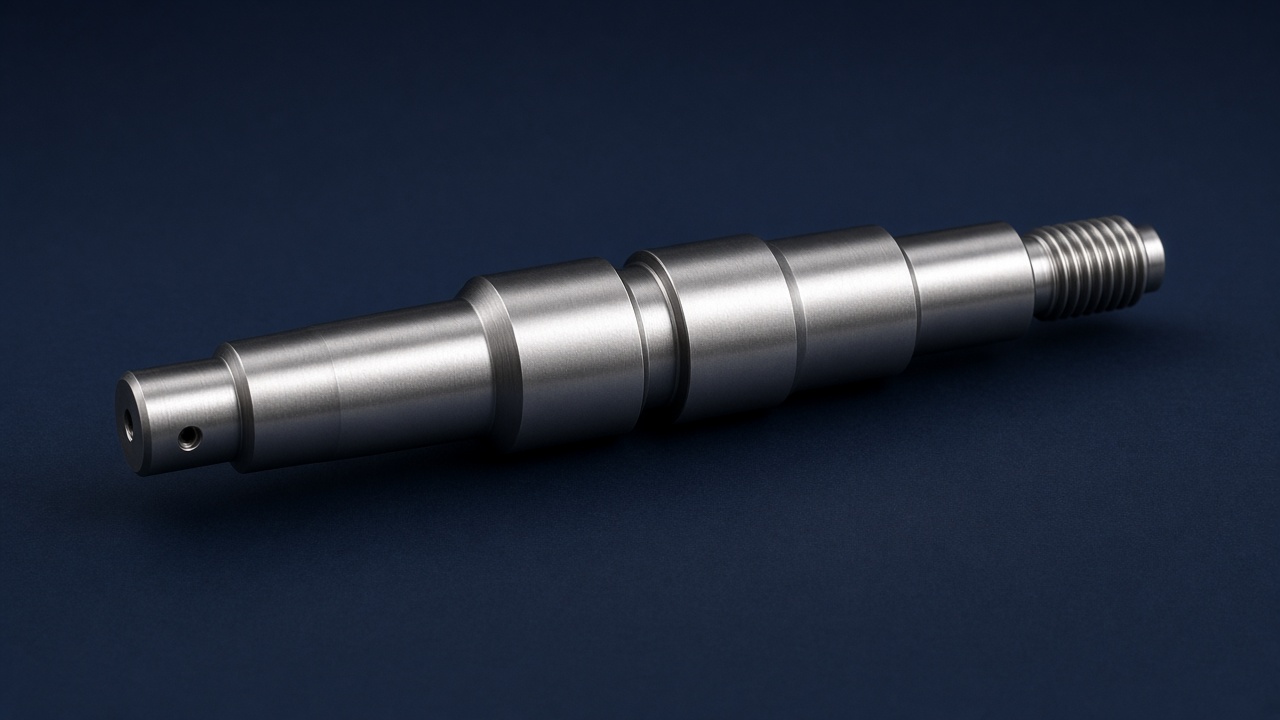
Steps, tapers, and contours on the outside diameter. First pick for shafts, pins, and bar lots.

Capabilities
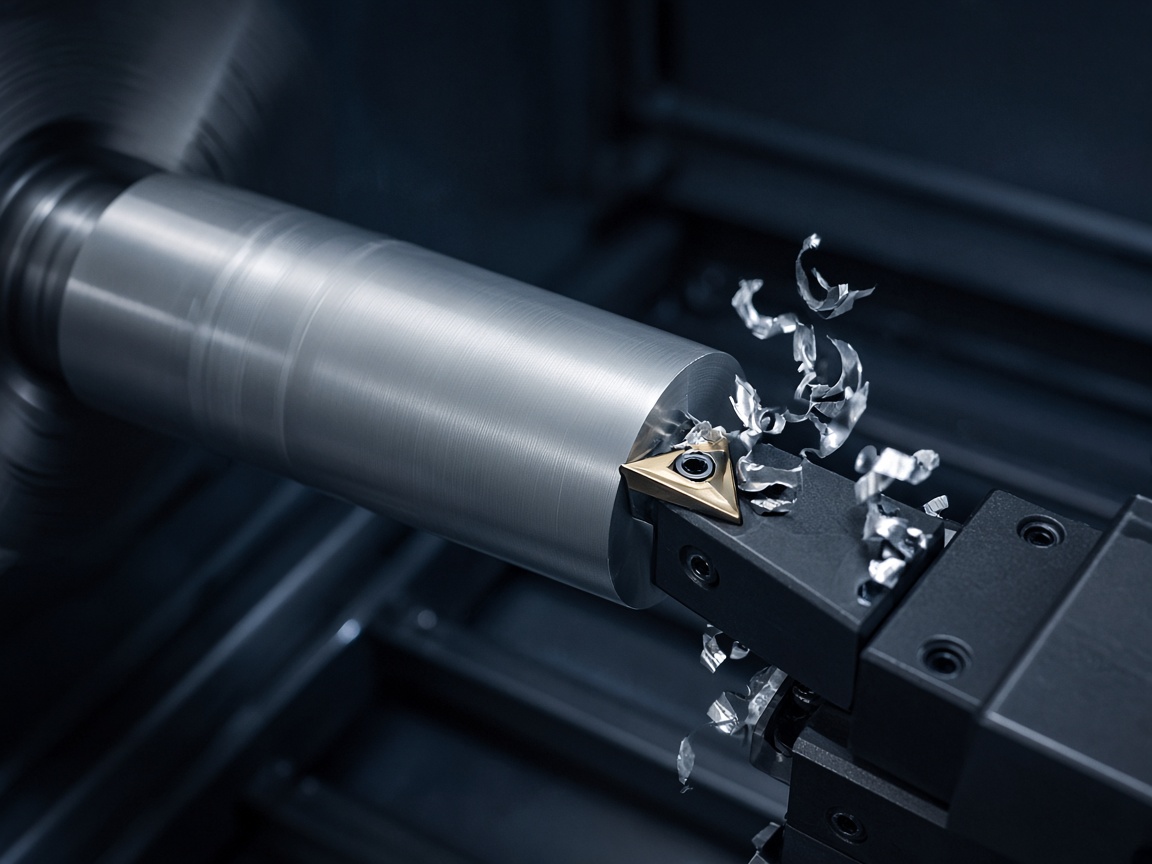
The work spins; a single-point tool cuts. Bluesky Tooling turns shafts, bushings, fittings, and pins — OD, ID, threads, tapers, and grooves. Live-tool flats when a second mill setup would stack error. Swiss when the bar is long and slender. Uploads stay on this server.
Straight, taper, step, contour, thread, bore, groove, part-off, and knurl — only when the print writes a standard.
Steps, tapers, and contours on the outside diameter. First pick for shafts, pins, and bar lots.
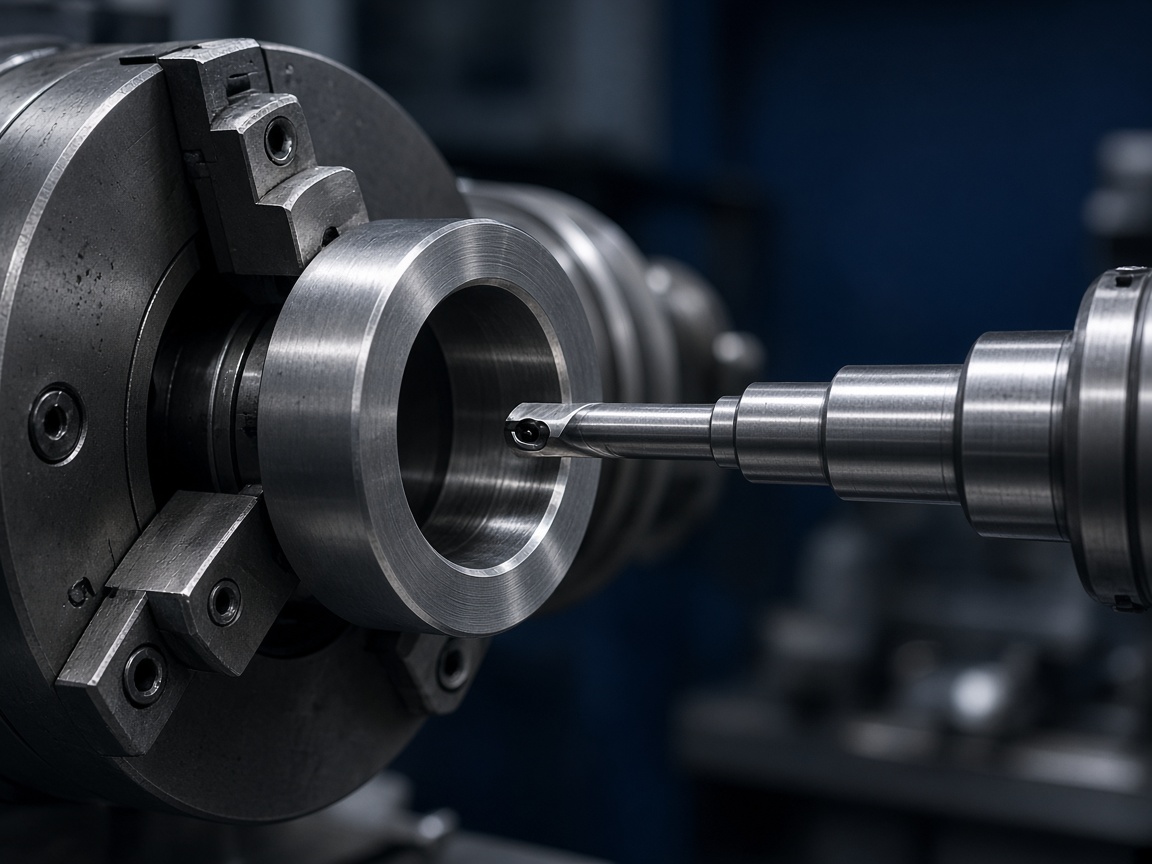
Bores a drill cycle will not hold. Ream or bore to the fit you wrote — not “make it tight.”
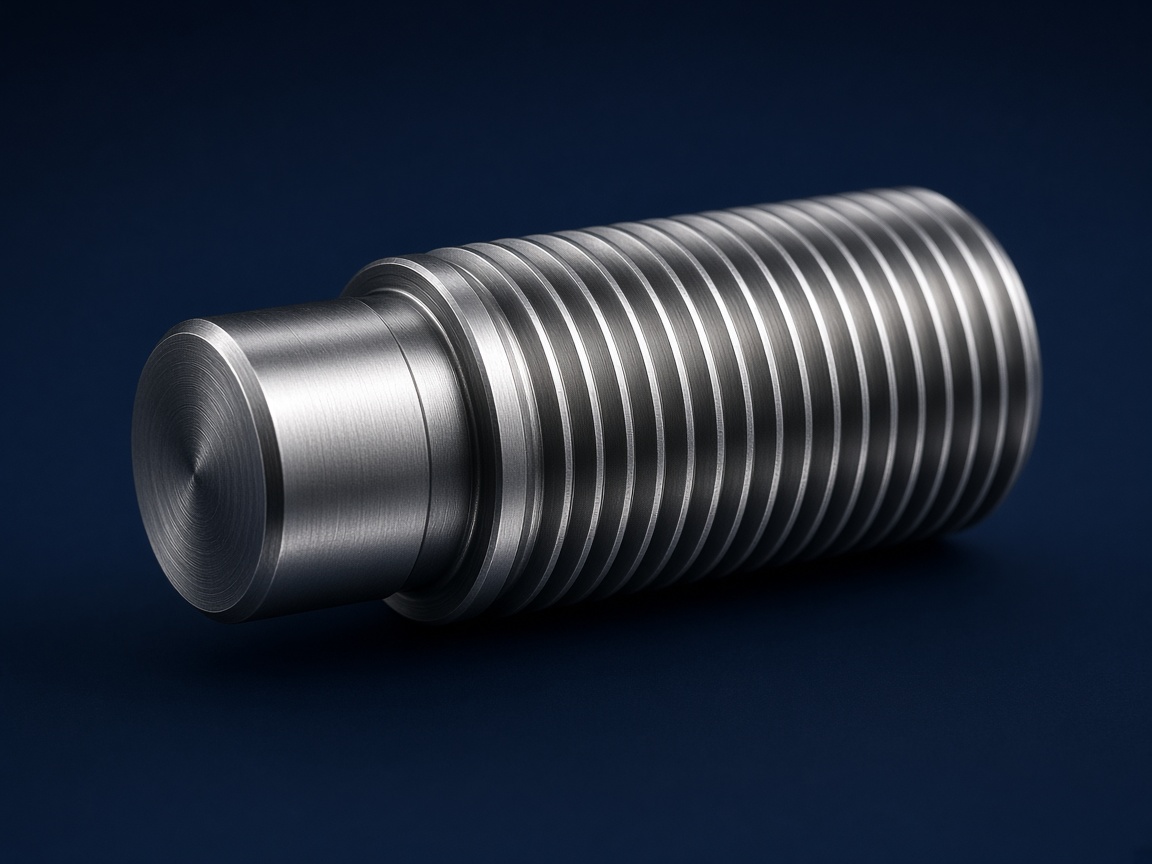
Metric or UN as a standard. Snap-ring and O-ring grooves with a width on the PDF. Part-off when the lot is bar.
A chuck lathe is not a Swiss cell. Live tools are not a second mill unless the datum must stay.
Bar or chucked work. Most shafts, bushings, and fittings. Horizontal first; vertical only when the blank is short and heavy.
Cross holes, flats, and keyways in the same chuck so a second mill setup does not stack error. If a 5-axis mill is cheaper, the quote says so. See also turn-mill.
Guide-bushing support for high L/D or small-OD bar volume. Short fat parts stay on the chuck lathe. See Swiss.
Straight or diamond — write a standard. “Make it grippy” is not a spec. See knurling.
Print wins. These are shop talk numbers — not a brochure claim of ±0.005 mm on every diameter.
| Work | Bar feed and chucked parts. Through-spindle bar is quoted against the remnant you accept. |
|---|---|
| Diameter talk | Most lots fit a standard chuck. Larger swing asked on the quote. |
| Length talk | High L/D → Swiss or a steady-rest conversation. About 5:1 on a chuck before we talk support. |
| Linear / diameter | ±0.05 mm general; tighter when ballooned and purchased |
| Wall talk | About 0.8 mm metals / 1.5 mm plastics on a tube |
| Min hole talk | About Ø 0.5 mm; deep holes keep a diameter-to-depth talk (~1:10) |
| Threads | As a written standard. Engagement about 1.5× diameter unless you say otherwise. |
| As-turned | Tool marks stay. Grind or polish only on marked faces. |
| Files | STEP, IGES, SLDPRT, PDF — disk only |
No account. Files stay on this server and open only in the staff inbox.
Upload the pack. Nothing is mailed.
After you confirm. We will say if mill or Swiss is the cheaper cell.
Inspected to the diameters you bought, packed to the quote address.
If it is a shaft, we turn it. We will not mill a cylinder from plate unless you ask.
Live-tool flats stay on the lathe when a second mill datum would lie.
High L/D or small-OD volume → Swiss. Short fat parts stay conventional.
STEP and PDF land in uploads/quotes. Never SMTP.
Bar and chucked stock we actually program. Name the grade. Zinc and copper when written.
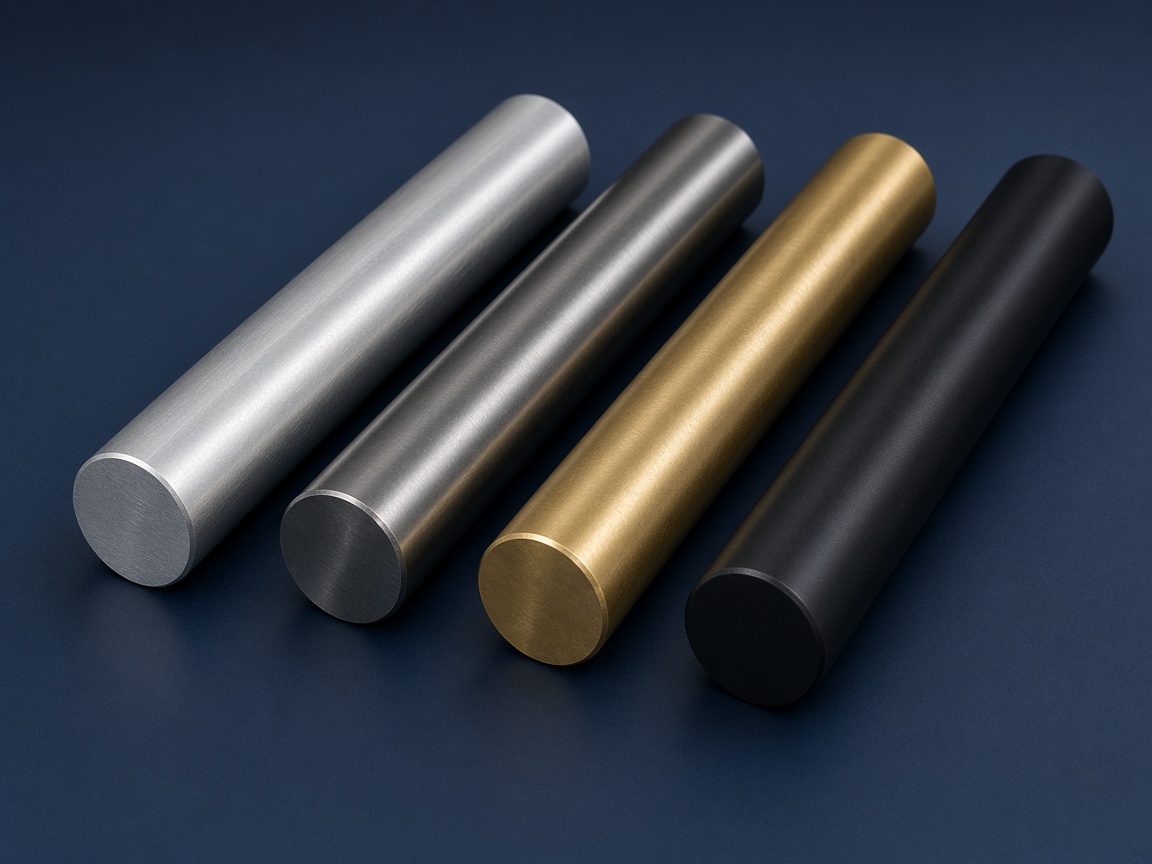
Unmarked diameters stay as-turned. Cosmetic or grind faces must be drawn.
Default. Tool marks stay.
Even matte. Mask threads if they cannot be blasted.
Aluminum only. Type II / III as written.
Zinc, nickel, or black oxide — thickness on the PDF. Plate after a fit changes the diameter.
When Ra or a fit needs a ground band. Stock must be left.
Marked faces only.
| Situation | Honest pick | Not this |
|---|---|---|
| Round first — shaft, bushing, pin | Turning | Milling a cylinder from plate |
| Box, pocket, 3D face | Milling | Turning |
| OD plus flats or cross holes, one datum | Turn-mill / live tool | Two stacked setups |
| High L/D or small-OD bar volume | Swiss | Chuck lathe with a mile of stick-out |
| Short fat blank | Conventional lathe | Swiss |
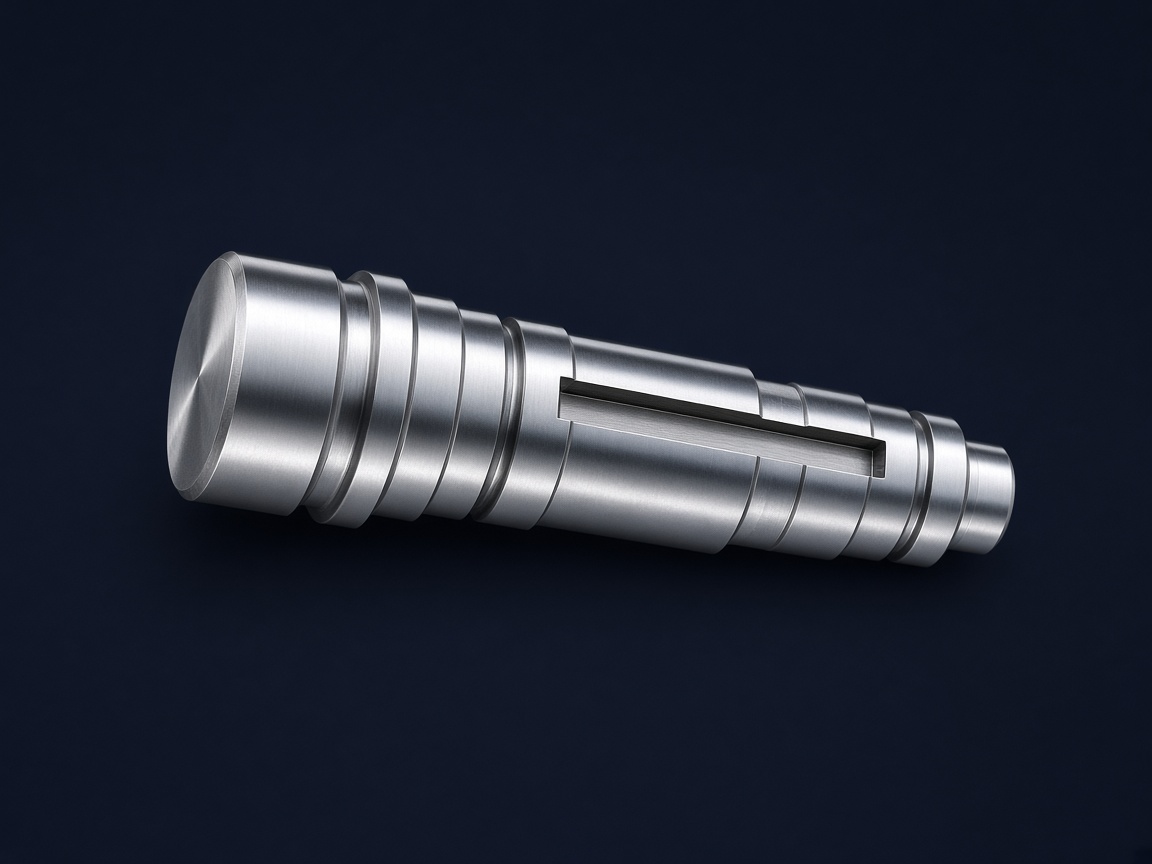
Steps, tapers, threads. Automotive-adjacent and industrial shafts when the print is real.
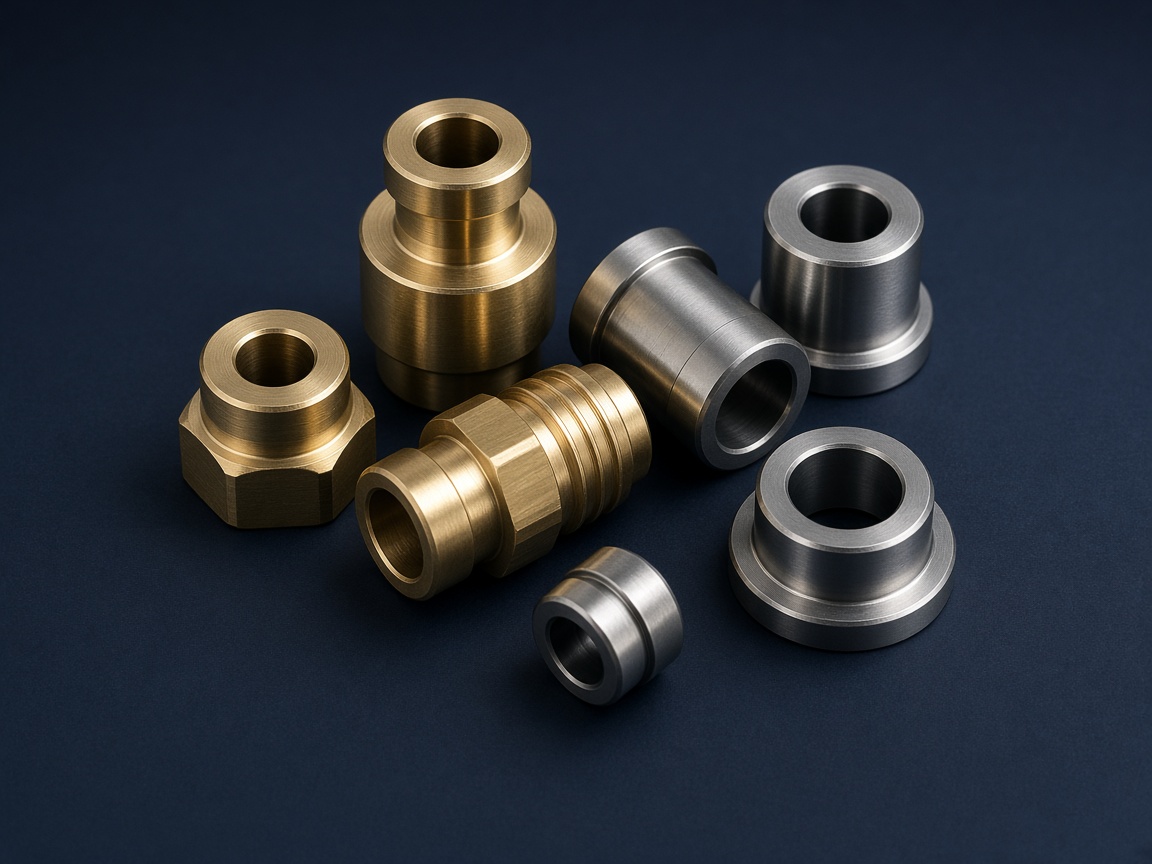
Brass and steel ID/OD pairs. Electrical hardware when you name copper or brass.
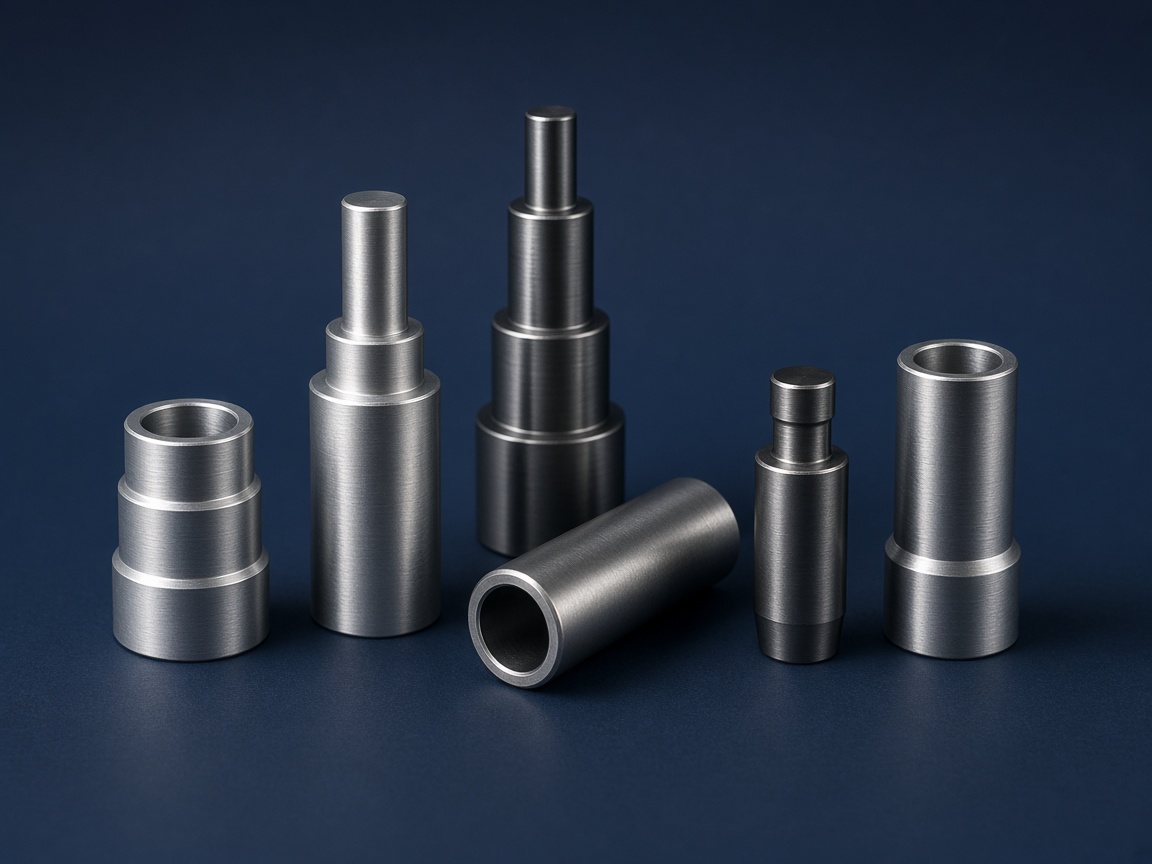
Bar lots and small OD. Swiss when L/D is high. Inspection is a line item.
Past about 5:1 on a chuck we will talk a steady rest or Swiss. Leave a remnant note on bar jobs.
A turning tool has a nose radius. Sharp internal shoulders are a grind or EDM conversation.
0.8 mm metal / 1.5 mm plastic is talk, not a promise on a long tube.
Write the class. If you plate after a fit, say so — the diameter moves.
Keep a diameter-to-depth talk. Peck and a gun-drill are different quotes.
If it must be read after the cut, give it height and depth on the PDF.
We work to the band on your drawing. If you write nothing, we say which shop default we used.
| General talk | ISO 2768-style when you write the class. |
|---|---|
| Threads | Metric or UN as a standard. |
| Inspection | Diameters you ballooned. CMM / FAIR are line items. |
| Files | Disk only — never emailed. |
STEP plus a PDF. Files stay on the Bluesky Tooling server and open only in the staff inbox.