Uploads stay on this server — never emailed

Materials

Copper

The metal you buy when current or heat is the point — not when you wanted a gold fitting. Bluesky Tooling mills and turns C110 for everyday bus and sink work, C101 when oxygen-free purity is written, and C145 when the print still wants copper numbers but the chip must break. We will not treat an unmarked “copper” title block as a silent C110, and we will not run this family like brass. Uploads stay on this server.

  • C110 / C101 / C145 named on the PDF
  • Mill / turn on the same CNC desk
  • Disk-only packs — never emailed
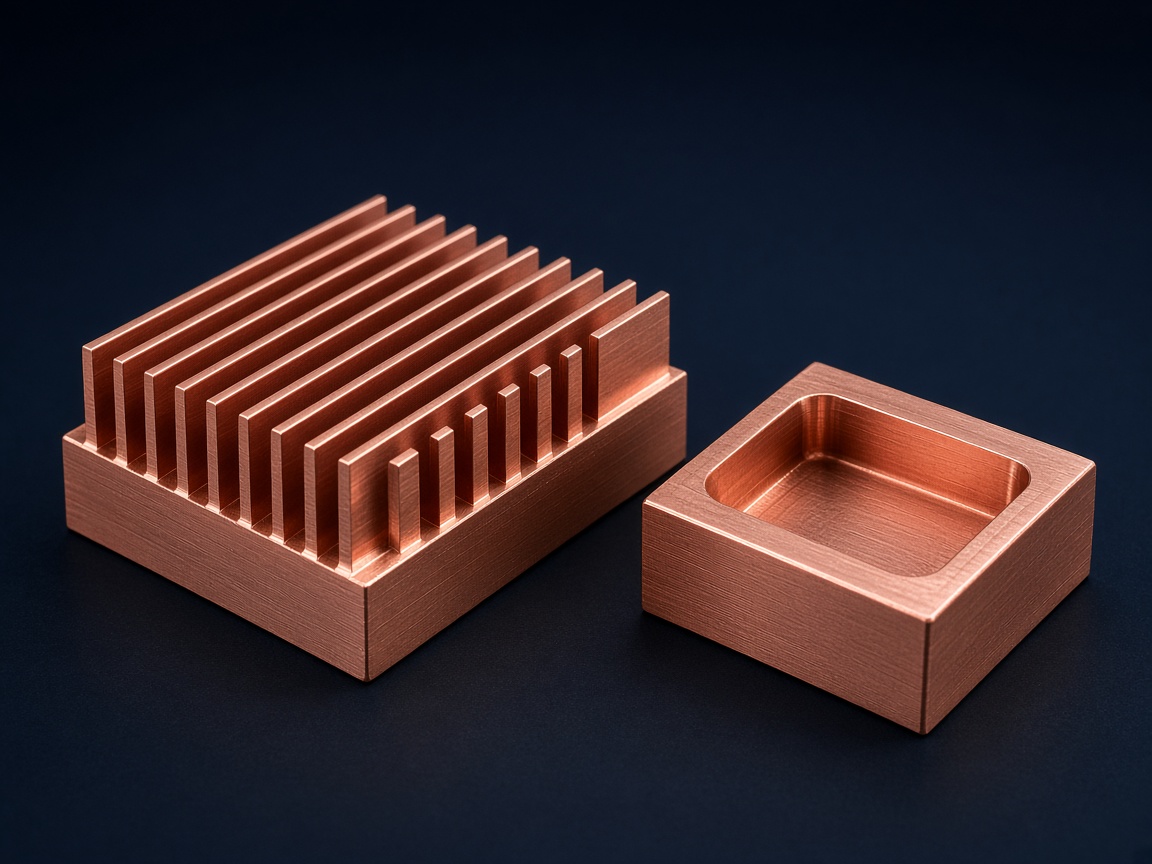
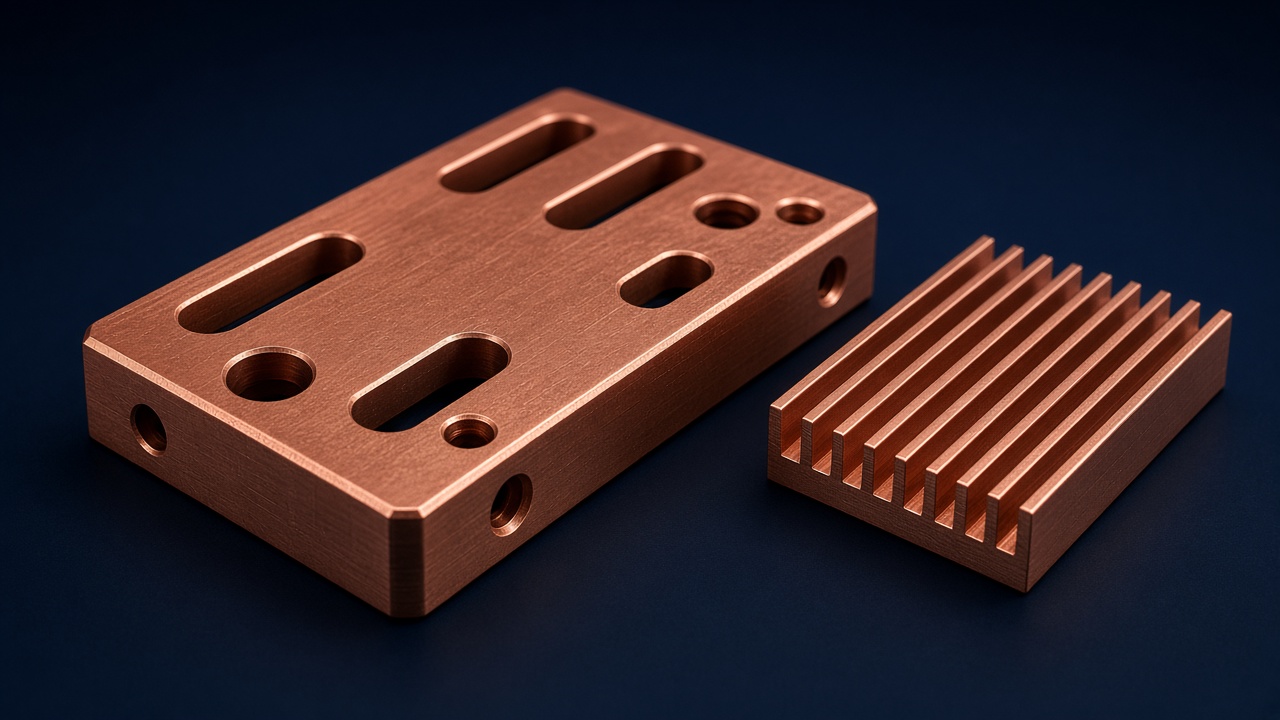
Machined copper bus bar and heat-sink plate — original Bluesky Tooling visual Upload your design

All uploads stay on this server — never emailed

How this grade leaves the desk

Copper is a family, not a reddish paint. We pick the cell from the print — mill, lathe, or mill-turn — then we name the melt on the quote. We will not mill a C110 bus from C145 “because it is copper,” and we will not hog a sink from brass to fake the conductivity.

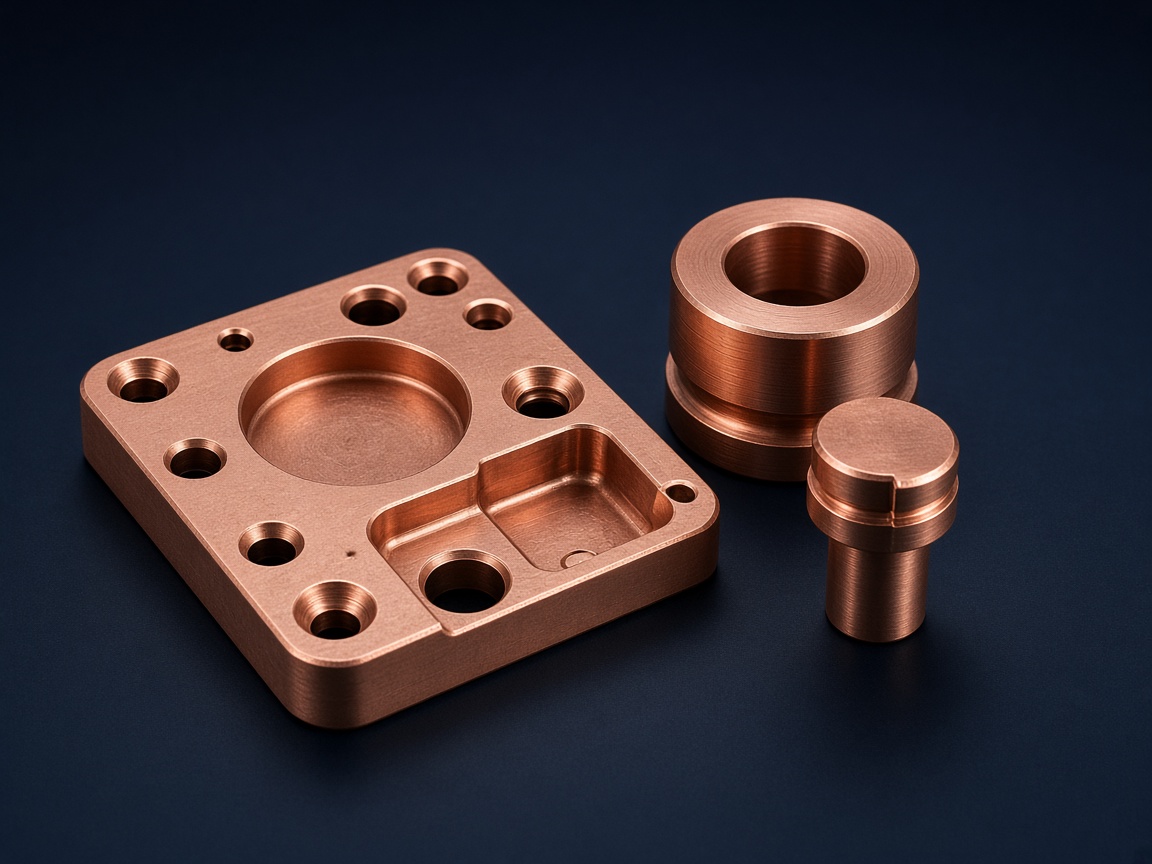
Milled copper plate and turned collar — original visual

CNC mill

Faces, pockets, fin plates, hole patterns, and bus slots. 3-axis first; more axes only when a second clamp would stack error. Soft stock smears if you copy a steel program. CNC milling → · CNC machining →

Prismatic work when the print is real — not a brass feed with a copper tool number.
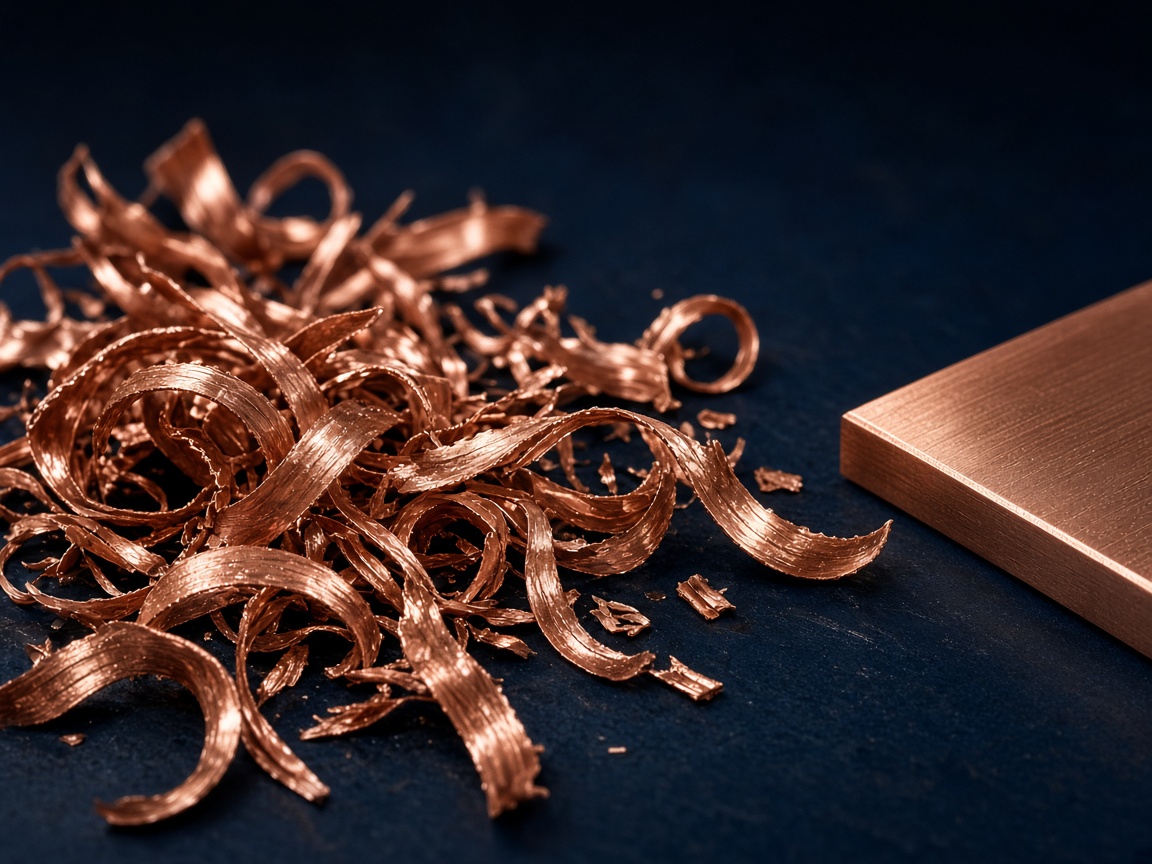
Gummy copper milling chips — original visual

CNC turn

OD / ID, collars, studs, and short conductors. C145 is the civilized bar. C110 and C101 want sharper manners and less dwell. CNC turning →

Bar on the lathe. We will not hog a round from thick plate to avoid a spindle.

Machined copper bus bar and heat sink — original visual

Swiss & mill-turn

Small stems, contact pins, and mixed OD plus flats in one clamp. Long slender conductors belong on Swiss, not on a second-op marathon. Swiss turning → · Turn-mill →

Same inbox. Different minutes. Electrode copper for EDM is a different conversation.

Grades we actually buy

Write the UNS or the GB name. “Copper” on a title block is not a spec. We will not silently swap C101 for C110, or C145 for C110, because a catalog called them cousins.

C110 / ETP

Everyday electrolytic tough-pitch. The shop default for bus bars, terminals, and heat-sink plates when the PDF just says copper and conductivity is the point. Gummy. Fine. Not oxygen-free.

C101 / OF

Oxygen-free, high-purity talk. Waveguides, vacuum-adjacent, and coax-adjacent bits when you wrote C101 or OFHC. Harder to source, fussier to cut than C110. Not a free upgrade for a dry indoor lug.

C145 / TeCu

Tellurium in the melt so the chip breaks. Still copper conductivity in the shop band — not C360 brass. Pins, fittings-adjacent conductors, and Swiss lots that would smear on C110.

Electrode copper

When the copper is the EDM tool, not the part. Sinker electrodes are a different buy and a different cell. See EDM. We will not mill a bus bar from electrode stock without a note.

T2 / TU1 talk

GB names we honor when you write them. T2 is not a silent C110. TU1 is not a silent C101. We will say which shelf bar we actually cut.

The PDF still wins

UNS / ASTM / GB if the melt matters. A photo of a reddish part is not a grade. Mill certs on request. See also brass when chips matter more than current.

C110 / ETPC101 / OFC145 / TeCuT2 / TU1Electrode CuC102 / C122
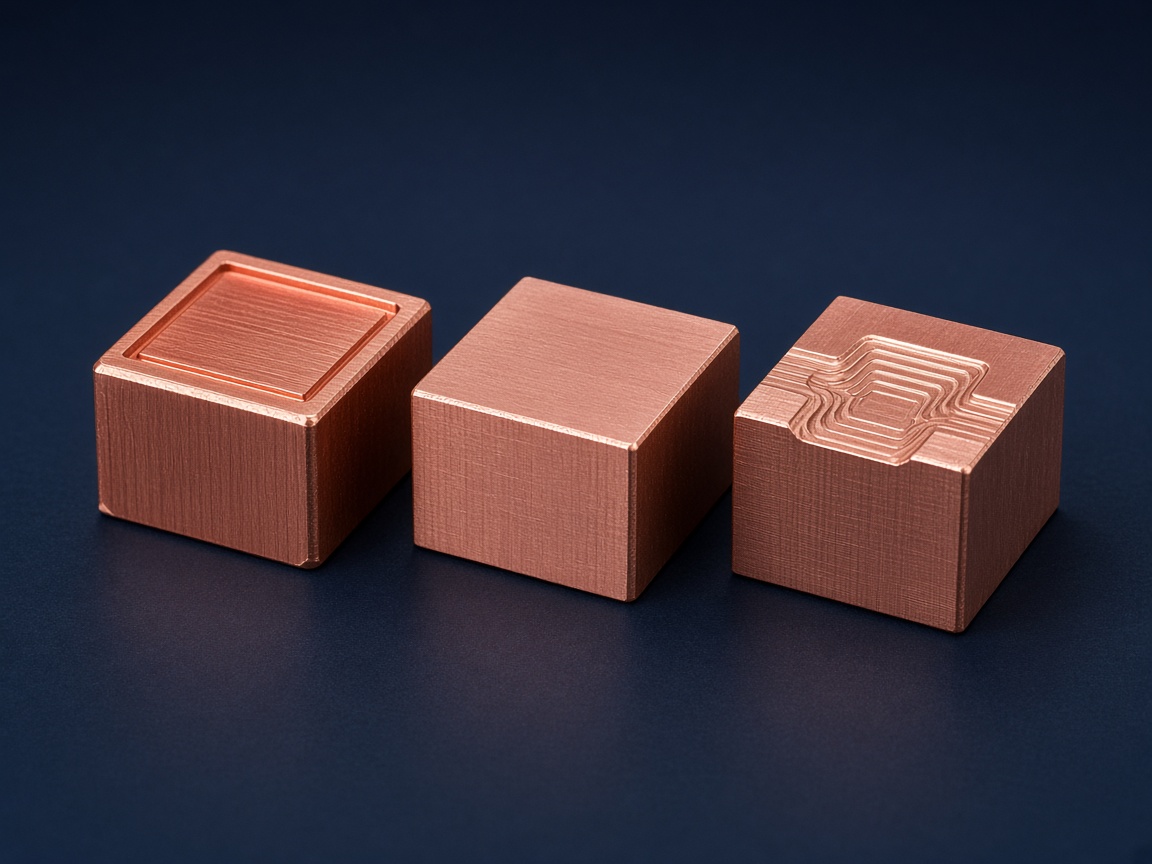
C110, C101, and C145 copper sample blocks — original visual

Grade talk — not a mill cert

Rounded shop notes so you can pick a starting melt. A cert is a purchased line. These bands are not a promise on your lot.

C110 ETPC101 OFC145 TeCu
Shop roleBus / sink / generalHigh-purity electricalFree-machining copper
Purity talk~99.9% Cu~99.99% Cu, low oxygenCopper + tellurium
Density talk~8.9 g/cm³~8.9 g/cm³~8.9 g/cm³
ConductivityShop-default highHighest of the threeHigh — not a brass swap
Chip breakGummy, stringsGummier than C110Best in this family
Typical buyBus bars, heat-sink platesWaveguide / vacuum-adjacentPins, Swiss, mixed features
Watch-outSmear / work-hardenNot a silent C110Not a C360 brass substitute

Conductivity vs brass — buy the right reddish metal

C110 exists so current and heat move. C360 exists so the chip breaks. They look related on a shelf photo. They are not interchangeable on a bus bar, and they are not interchangeable on a valve body. If the print is a fitting that must cut in minutes, buy brass.

Current first

Copper carries far more than brass in the shop band. Terminals that only need a copper-alloy face can live on C360. A named bus, a high-current lug, or a heat-sink plate that must dump watts belongs here.

Heat first

It moves heat. Fin plates, spreaders, and cold-plate-adjacent bits belong here when you write that — not as a slogan on every cover. 6061 also moves heat; copper moves more and weighs more. See aluminum when mass wins.

Brass when chips win

C360 is the free-cutting cousin. If conductivity is “good enough” and the lot is fittings, we will say so. Pretending brass is C110 is how a current-density print fails incoming.

Not a free upgrade

Copper stock costs. Minutes cost more because it smears. We will not mill a decorative knob from C101 because someone liked the color.

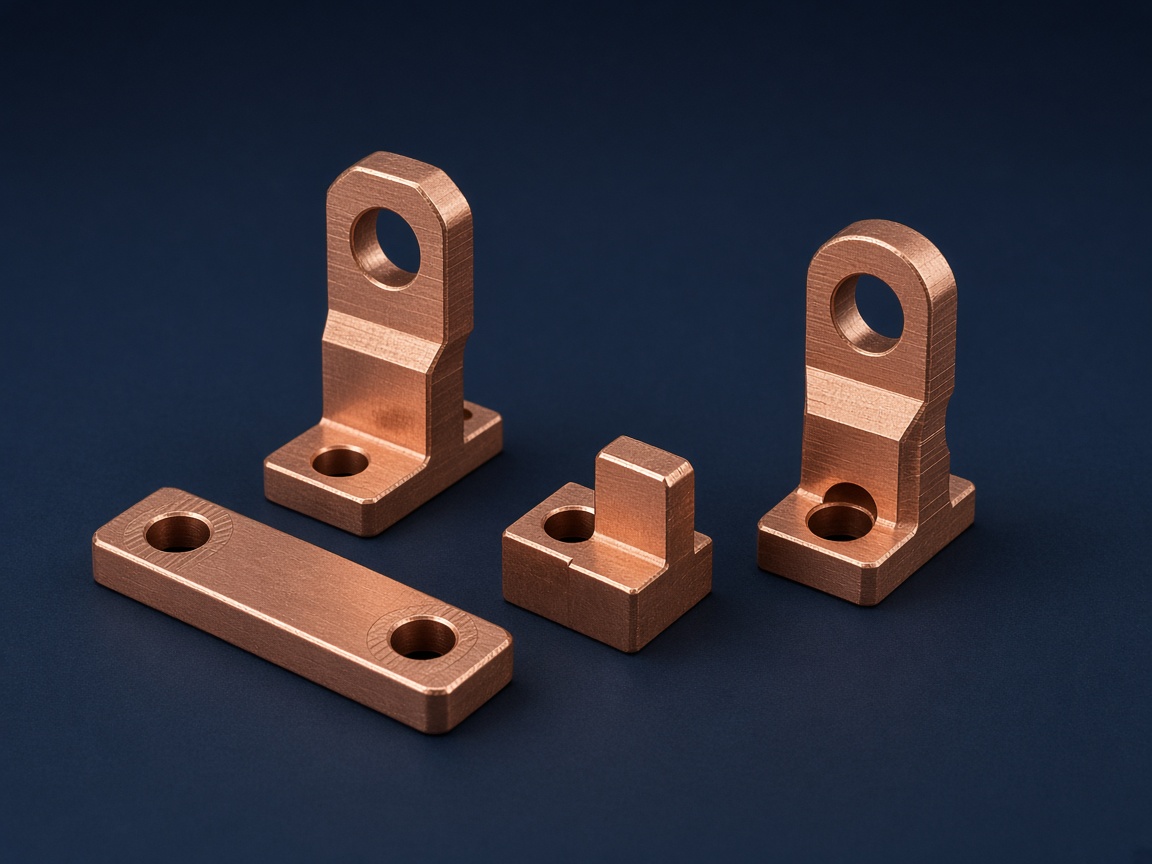
Machined copper bus bar and terminal lugs — original visual

Gummy stock, work-hardening, and why C145 exists

Pure copper is soft until the cutter rubs. Then it work-hardens, strings a bird’s nest, and welds to the edge. That is the metal, not a dull insert we forgot to change. C145 is the shop answer when the geometry is busy and you still need copper numbers.

Do not copy a brass program

C360 chips. C110 smears. A silent brass feed on C110 is how you glaze a face and scrap a thin wall. C145 is closer to civilized — still not C360.

Sharp, no dwell

Dwell on a pocket floor work-hardens the next pass. We program like the stock is sticky. A copied steel or 6061 path is a quote we will rewrite.

C145 is not a cheat

Tellurium breaks the chip. Conductivity stays in the copper band. We will not swap C145 onto a C101 waveguide print, or C110 onto a Swiss pin that needed TeCu.

Electrode copper stays on EDM

If the copper is the electrode, say so. That stock and that cell are not a bus-bar quote. See EDM.

Gummy copper chips after a mill pass — original visual

How copper CNC works on this desk

  1. CAD inA solid we can open plus a PDF with grade, qty, finish, and three balloons. “Copper” alone is not a melt. C110 / C101 / C145 if it matters.
  2. Pick mill, turn, or SwissPlates and fin fields on the mill. Studs and collars on the lathe. Slender pins on Swiss. Same inbox as the rest of CNC machining.
  3. Cut the named barC145 eats a real feed. C110 and C101 want sharper manners. We will not quote a dull-tool marathon as if it were free-cutting brass.
  4. Finish you markedAs-machined copper, or a plate. Unmarked faces stay functional. Tarnish is the metal, not a defect we hide.
Milled and turned copper parts — original visual

Mill vs turn vs Swiss on copper

The geometry picks the cell. The grade picks the feed. We will not mill a shaft from plate to avoid a lathe.

CNC milling

Pockets, faces, bus slots, and heat-sink fins. 3-axis first. See CNC milling.

CNC turning

OD / ID, collars, grooves, short conductors. C145 first when you can. See CNC turning.

Swiss turning

Small stems and contact pins. Guide-bushing work when L/D would whip on a conventional chuck. See Swiss turning.

Mill-turn

Mixed OD plus flats in one clamp when a second setup would walk a datum. See turn-mill.

How to order copper parts

No account. Files stay on this server and open only in the staff inbox.

1

Get a factory quote

Upload the pack on Get a Quote. Name the grade and the plate if it matters. Nothing is mailed.

2

Start production

After you confirm. We will say if C110, C101, C145, brass, or aluminum is the honest pick.

3

Receive the part

Inspected to the balloons you bought. Certs only if you purchased them.

Why teams send copper here

We will not treat it like brass

C360 chips. C110 smears. The quote names the melt. A silent brass program on copper gums a tool — and the reverse wastes a bar.

Named grades

C110 is not C101. C145 is not a silent C110. T2 is a name we honor when you write it. The PDF wins.

Honest adjacent claims

Electrical, thermal, and electrode-adjacent hardware when the balloons are bought — not a catalog badge of a listed connector or a certified busway we did not inspect.

Disk inbox

STEP and PDF land in uploads/quotes. Staff only. Never SMTP.

Finishing after the cut — plate when the face must stay honest

Unmarked faces stay functional. Fresh copper looks reddish. It tarnishes in air — that is the metal, not a coat we forgot. A plate is how you keep contact resistance and solderability if you wrote that. A thick decorative stack on a heat-sink face is a conversation, because film is insulation if you overdo it.

As-machined

Default. Tool marks stay. Typical Ra 3.2 μm talk. The copper is the cut, not a dye.

Nickel plate

When you want a cooler, more stable face. Film is thickness. Close fits are a conversation. See nickel plating.

Silver / gold plate

Contact and solder talk when the PDF names a precious stack. We will not invent a gold flash on an unmarked lug.

Tin plate

Common on electrical hardware when you write it. Not a silent default on a heat-sink plate.

Polish / buff

Marked show faces only. It dulls a knurl and removes metal. See polishing.

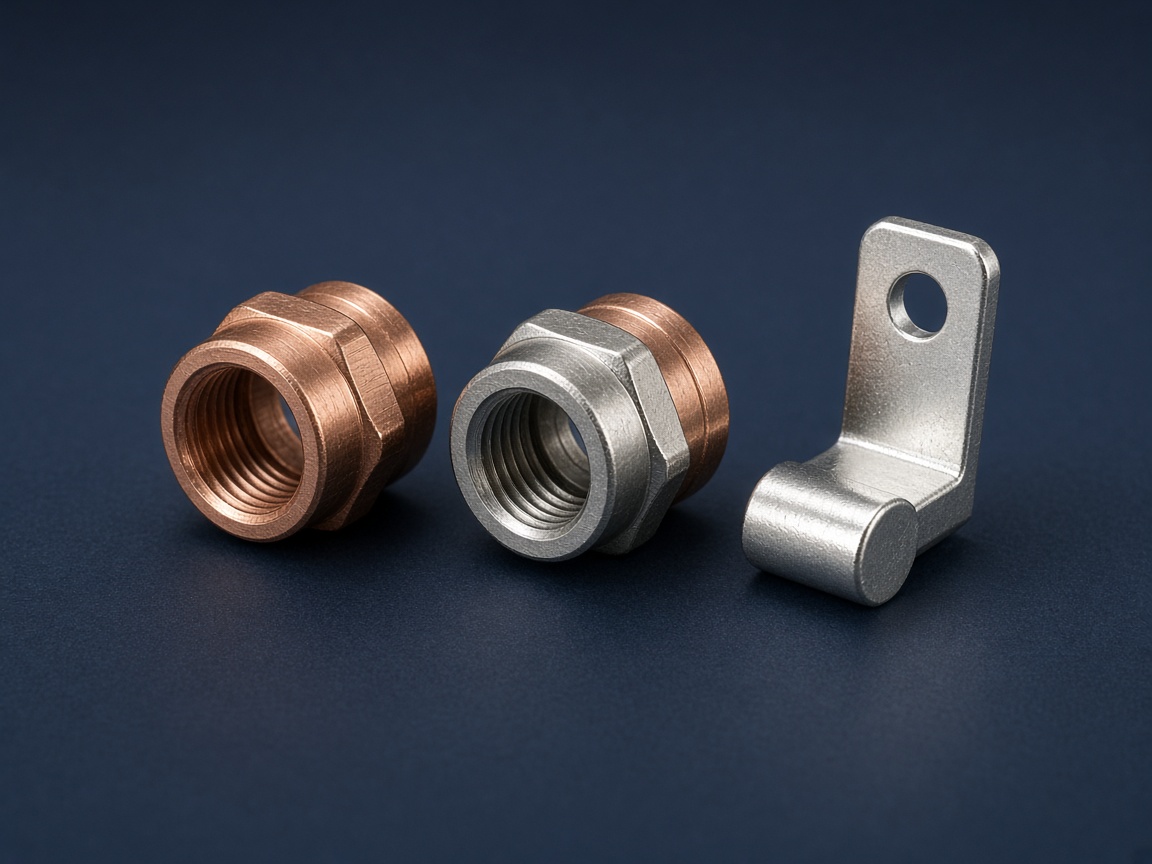
As-machined, nickel-plated, and silver-plated copper parts — original visual

Grade vs process — honest pick

SituationHonest pickNot this
Bus bar, high-current lug, general conductorC110 mill / turn — CNCPaying C101 for a dry indoor strap
Waveguide, vacuum-adjacent, named OFHCC101Silent C110 swap on a purity print
Busy geometry, Swiss pin, mixed featuresC145 TeCuHoping C110 chips like C360
Heat-sink plate / thermal spreaderC110 millA thick plate that kills the thermal face
Fitting that must cut in minutesC360 brassPretending copper is free-machining
Light, fast, anodize, mass firstAluminumCopper because it looks premium
EDM electrodeElectrode Cu + EDMMilling a bus from electrode stock
Slender contact pinSwiss C145 (or C110 if written)Whipping it in a conventional chuck

Where these grades show up

Honest adjacent claims. We machine the print. We do not sell a listed connector, a certified busway, or a medical-device file you did not buy.

Copper electrical terminals and bus hardware — original visual

Electrical hardware

Bus bars, lugs, contact blocks, and switch-adjacent bits. C110 first. C101 when purity is written. This is not a catalog claim of a listed connector. See electronics.

Machined copper heat-sink plate — original visual

Heat sinks & spreaders

Fin plates, cold-plate-adjacent pads, and thermal spreaders. C110 mill. Say if a plate would fight the thermal face. 6061 is lighter if watts and mass allow it.

Copper bus bar and heat-sink pair — original visual

Power, proto, and electrode

Power-adjacent straps, thermal proto, and EDM electrodes when that is the job. We will not stamp a plant cert or call a reddish plate architectural hardware you did not specify.

DFM notes before you upload

Name the melt

C110 is not C101 and it is not C145. “Any copper” becomes a question. We will not silently upgrade a dry lug to oxygen-free stock.

Do not hog copper for sport

The bar costs. If most of the billet becomes chips, say why a nearer-net blank or a turned bar would not do. Gummy chips are not a license to mill a shaft from plate.

Thin walls still chatter

About 0.8 mm metal is talk, not a promise on a tall unsupported rib. Soft stock plus a copied steel program is a scrap story. Add a rib or a thicker wall.

Inside corners

A cutter has a radius. Sharp internals are an EDM conversation or a relief. Soft copper does not make a square pocket cheaper.

Work-hardening

Rubbing a dull edge hardens the next pass. Write realistic stock and avoid micro-walls that force a rub. We will not copy a brass feed onto C110 and call the minutes the same.

Setups cost more than chips

Copper is slow. A second clamp is still a second clamp. Design so mill, turn, or Swiss finishes the datums in one hold when you can.

Plate on a fit

Film is thickness. Call class on a close OD or a contact face. We will not guess a show-face diameter after nickel or silver.

Only copper where copper is needed

A steel or aluminum body with a copper insert is often the honest BOM. A whole housing in C101 because one pad carries current is how quotes die.

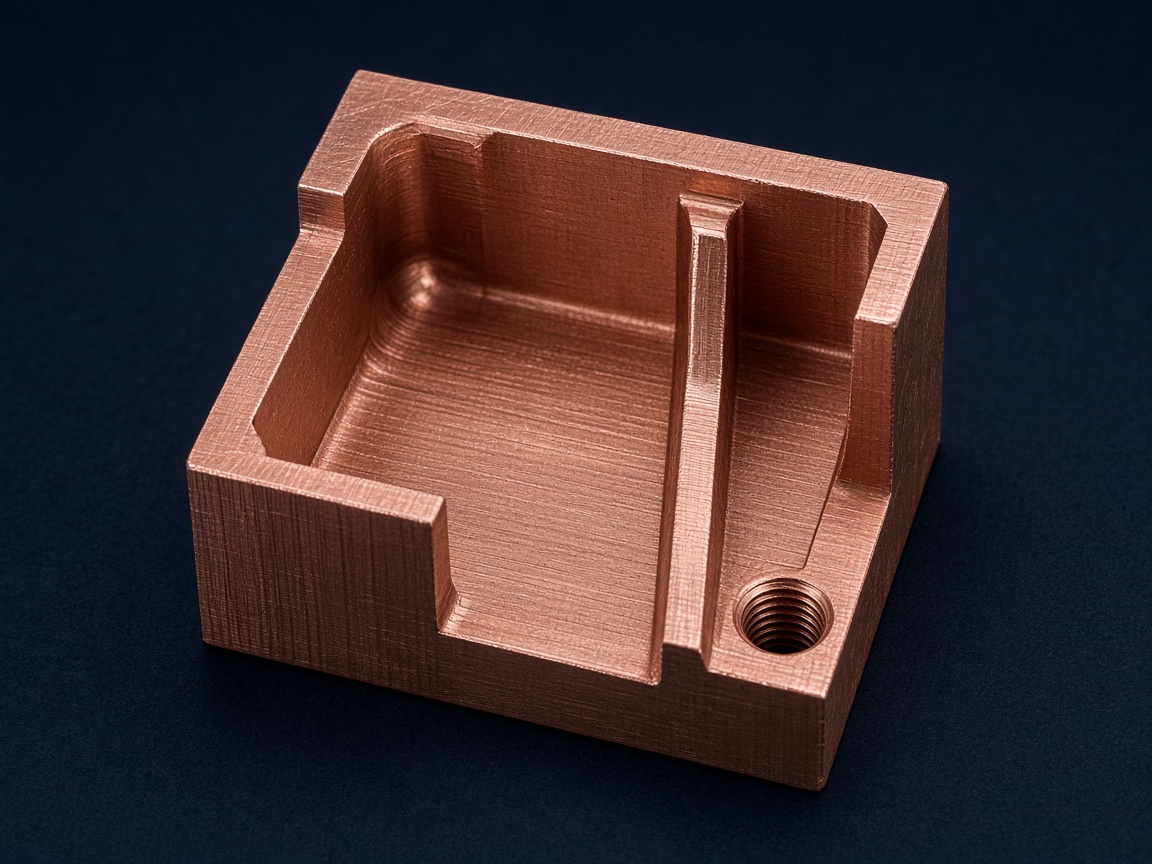
Thin-wall copper housing with cutter radius and tapped hole — original visual

Copper at a glance

Print wins. These are shop-talk bands — not a brochure claim that every edge is ±0.005 mm and every lot ships on a clock.

CellsCNC mill and turn first. Swiss / mill-turn when the clamp earns it.
Grades we stock-talkC110, C101, C145. T2 / TU1 and electrode copper when written.
MachineC145 is the free-cutting copper buy. C110 and C101 are gummy and work-harden if you rub.
Vs brassCopper for current and heat. Brass for chips and fittings. Not a silent swap.
ConductivityThe reason to buy this family. Brass is “good enough” only when you write that.
Wall talkAbout 0.8 mm when geometry allows — not a tall unsupported rib.
Linear talk±0.05 mm general; tighter when ballooned and purchased. ISO 2768-style if you write the class.
As-machinedTypically Ra 3.2 μm unless a cosmetic or contact face is marked.
PlateNickel / tin / silver / gold only if written. Film is thickness.
CertsMill cert on request. Ask on the quote.
FilesSTEP + PDF — disk only

Standards & inspection

We work to the band on your drawing. If you write nothing, we say which shop default we used — and we will still ask for a grade.

General talkISO 2768-style when you write the class. Metals vs plastics are different conversations.
Grade / meltUNS / ASTM / GB name on the PDF (C110, C101, C145, T2). Mill cert on request.
FinishAs-machined default. Nickel / tin / silver / gold / polish as written. See nickel plating.
ThreadsMetric or UN as a standard — not “tap here.” Copper taps soft; a dull tap raises a burr.
InspectionBalloons you marked. CMM / FAIR are line items.
CosmeticShow faces marked. Unmarked stay functional. Tarnish is the metal.
FilesDisk only — never emailed.

FAQ

C110 for everyday bus, lug, and heat-sink work. C101 when oxygen-free purity is written. We will not swap them silently. The PDF wins.
When the geometry is busy — Swiss pins, mixed flats, lots of features — and you still need copper conductivity. C145 chips. C110 smears. It is not a brass substitute and not a silent C101.
Copper when current or heat is the point. Brass when chips and a copper-alloy face are the point. See brass. We will not pretend C360 is a bus bar.
Yes. Same CNC machining desk. Plates and fins on the mill, collars on the lathe, slender pins on Swiss. Time is not brass time — and C101 is not C145 time.
Soft stock strings and work-hardens if the edge rubs. Sharp tools, no dwell, honest feeds. Copying a brass or 6061 program is how you glaze a face.
Yes, when you write it — nickel, tin, silver, or gold. Film is thickness. Contact and solder faces should say so. Details on nickel plating.
Fresh cut, yes. Air tarnishes it. Plate or a marked polish if the show or contact face must stay honest. Unmarked faces stay functional.
We buy GB names when you write them. They are not a silent C110 or C101. We will say which bar we actually cut.
No. Electrode copper is the EDM tool conversation. A bus bar is a part. See EDM if the copper is the electrode.
Ask on the quote. We do not invent a cert after the bar is gone.
No. The pack lands in uploads/quotes and opens only in the admin inbox.

Send the copper pack

STEP plus a PDF. Name the grade, the plate if it matters, and the finish. Files stay on the Bluesky Tooling server and open only in the staff inbox.

Get a Quote