Uploads stay on this server — never emailed

Materials

Stainless Steel

Chromium in the melt is what makes it stainless — not a coating we spray on later. Bluesky Tooling mills and turns 304/304L for general wet, 316/316L when chlorides are written, 17-4 when strength after heat treat is named, 303 when you trade corrosion for chips, and 410/420 when hardness is the point. We will not run this family like 6061. Uploads stay on this server.

  • Named grade on the PDF — no silent upgrade
  • Mill / turn on the same CNC desk
  • Disk-only packs — never emailed
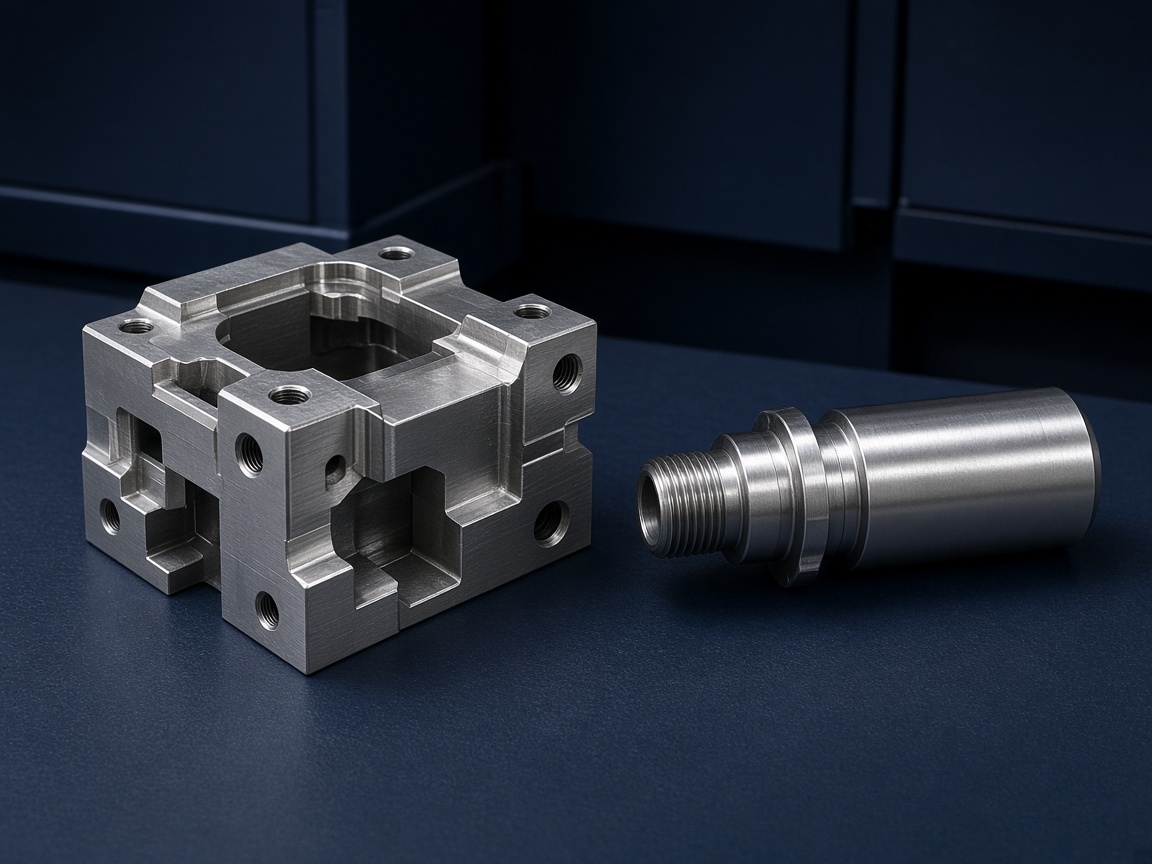
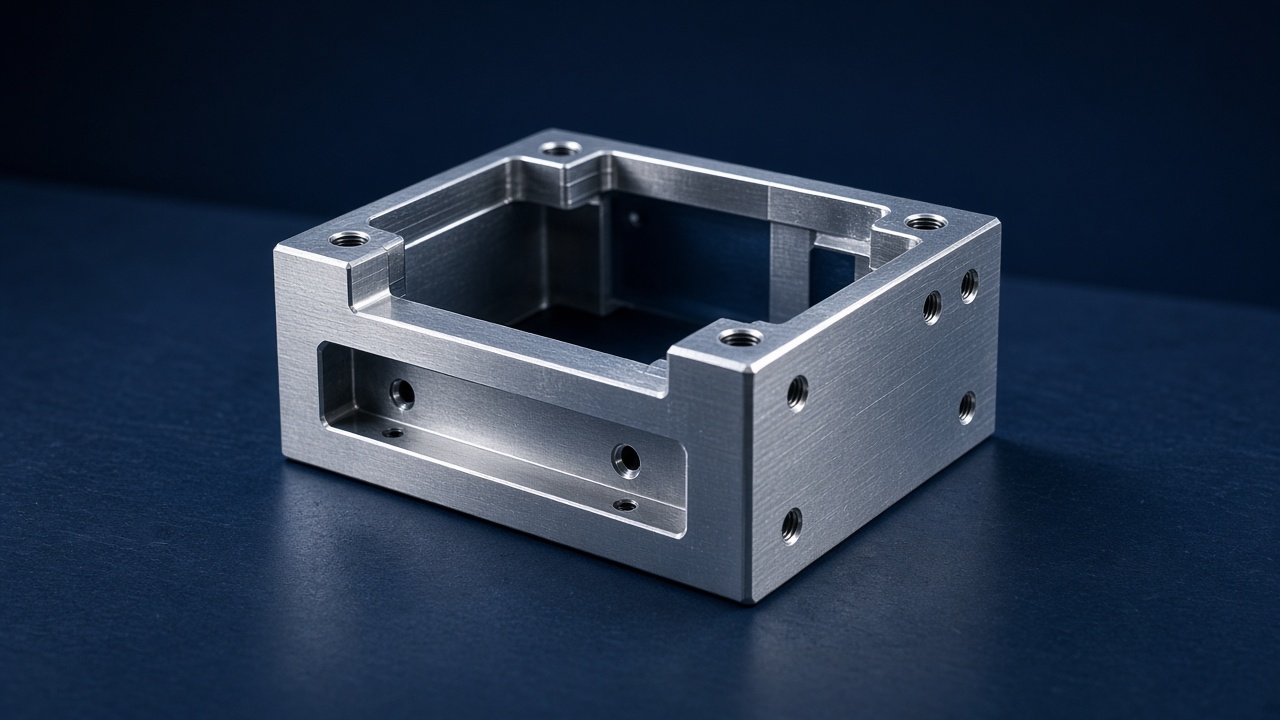
Machined stainless steel housing — original Bluesky Tooling visual Upload your design

All uploads stay on this server — never emailed

Grades we actually quote

The name on the drawing wins. 304 is not 316. 303 is not a free-machining “same stainless.” Certs are on request — ask on the quote, not after the cut.

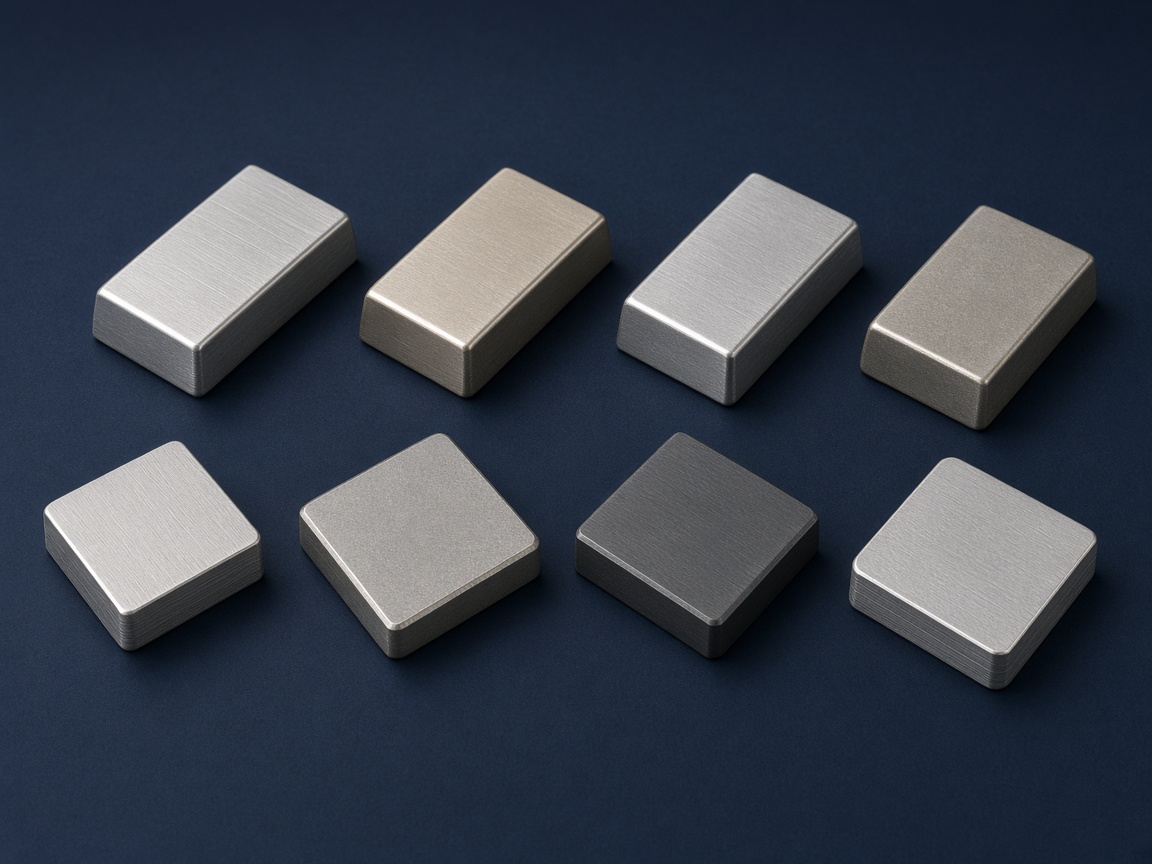
Stainless grade stock coupons — original visual

304 / 304L

The shop default when the print says “stainless” and the duty is indoor wet, not chloride. Food-adjacent tanks, covers, and hardware when you write 304. 304L when weld sensitization is a real risk — not a silent swap for extra carbon.

General corrosion. Cold work can make it slightly magnetic. That is not a defect by itself.
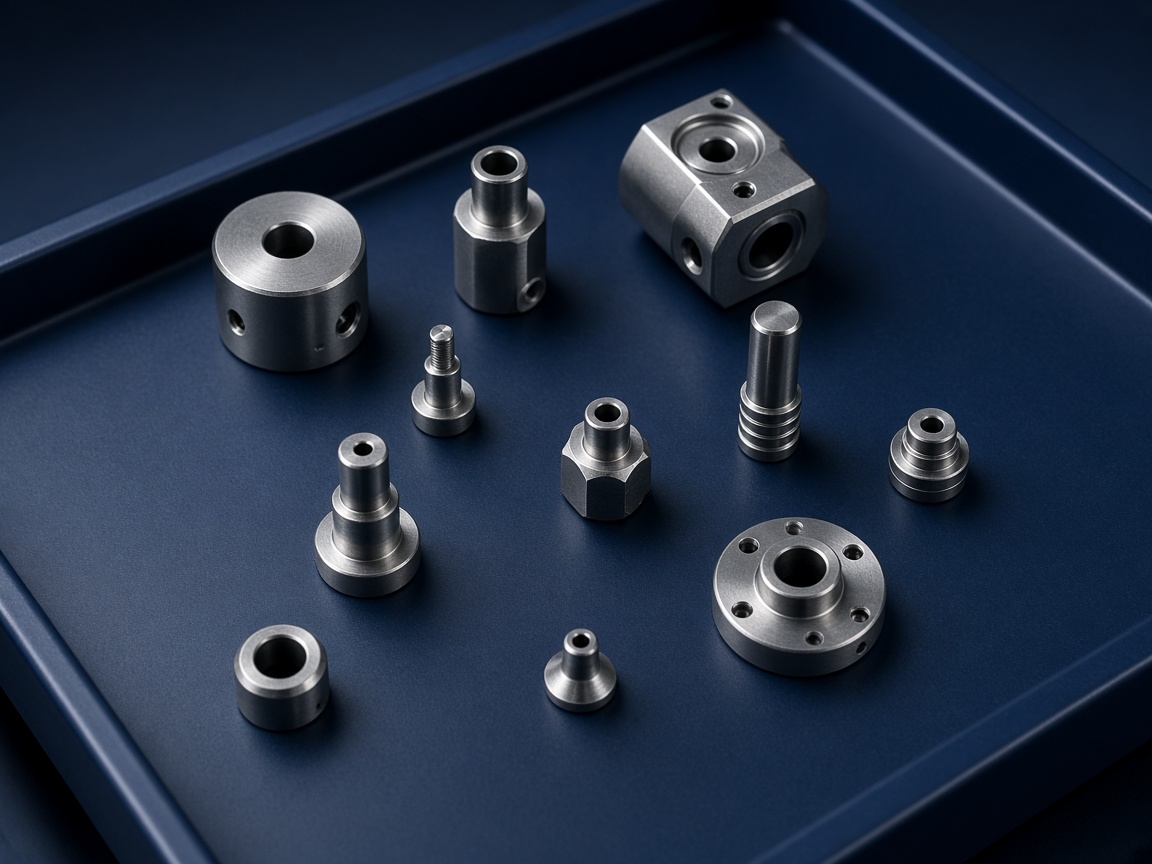
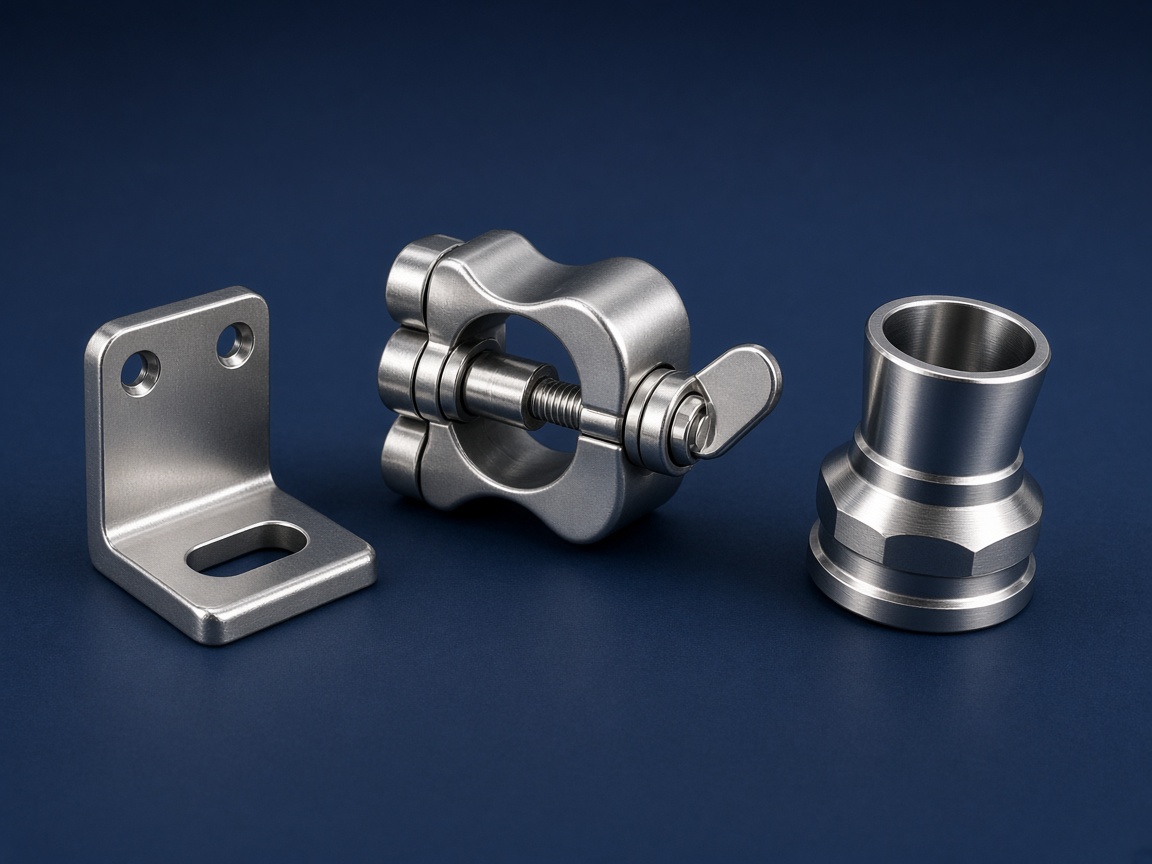
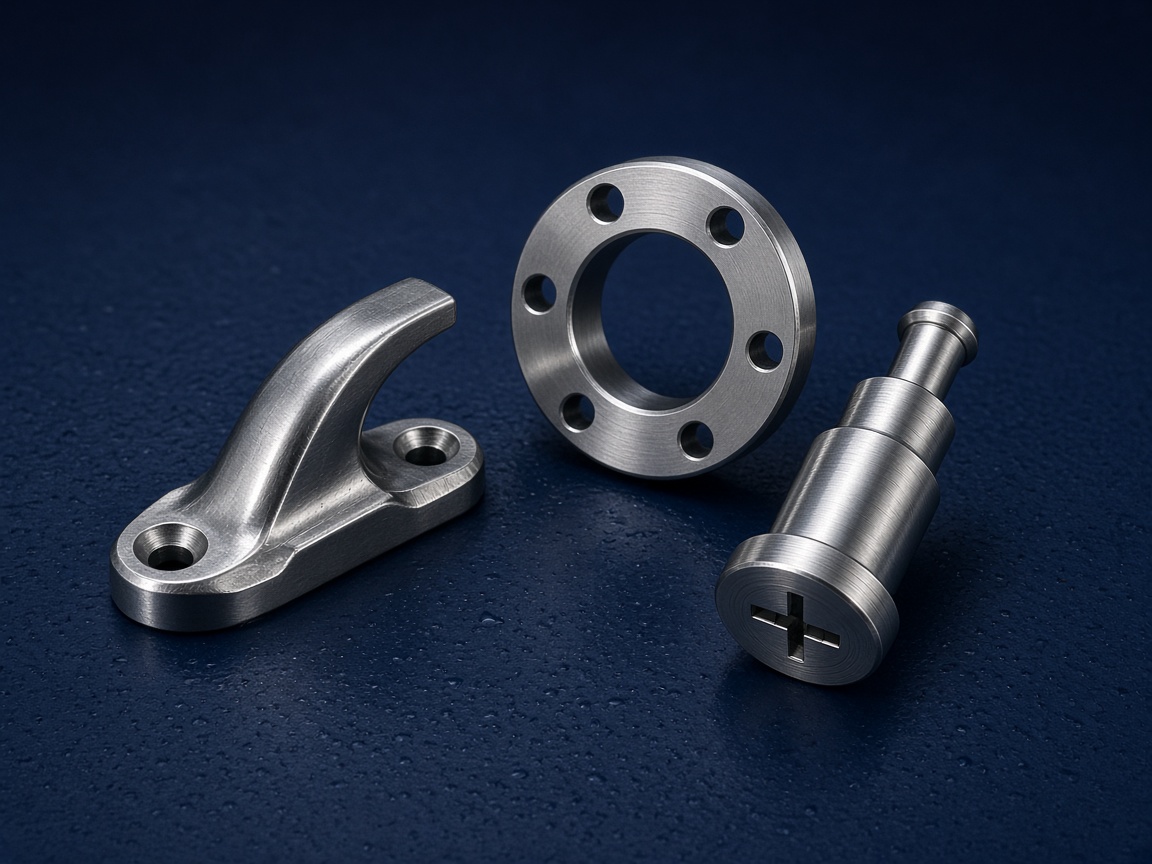
Passivated stainless fittings — original visual

316 / 316L

Molybdenum in the melt. Wash-down, chlorides, and marine-adjacent fittings when the PDF names 316. 316L for weld-heavy lots. We will not upgrade a 304 print to 316 without a note — and we will not call a 316 bracket “boat-certified.”

Wetter duty. Slower chips than 303. Worth it when the chemistry is written.

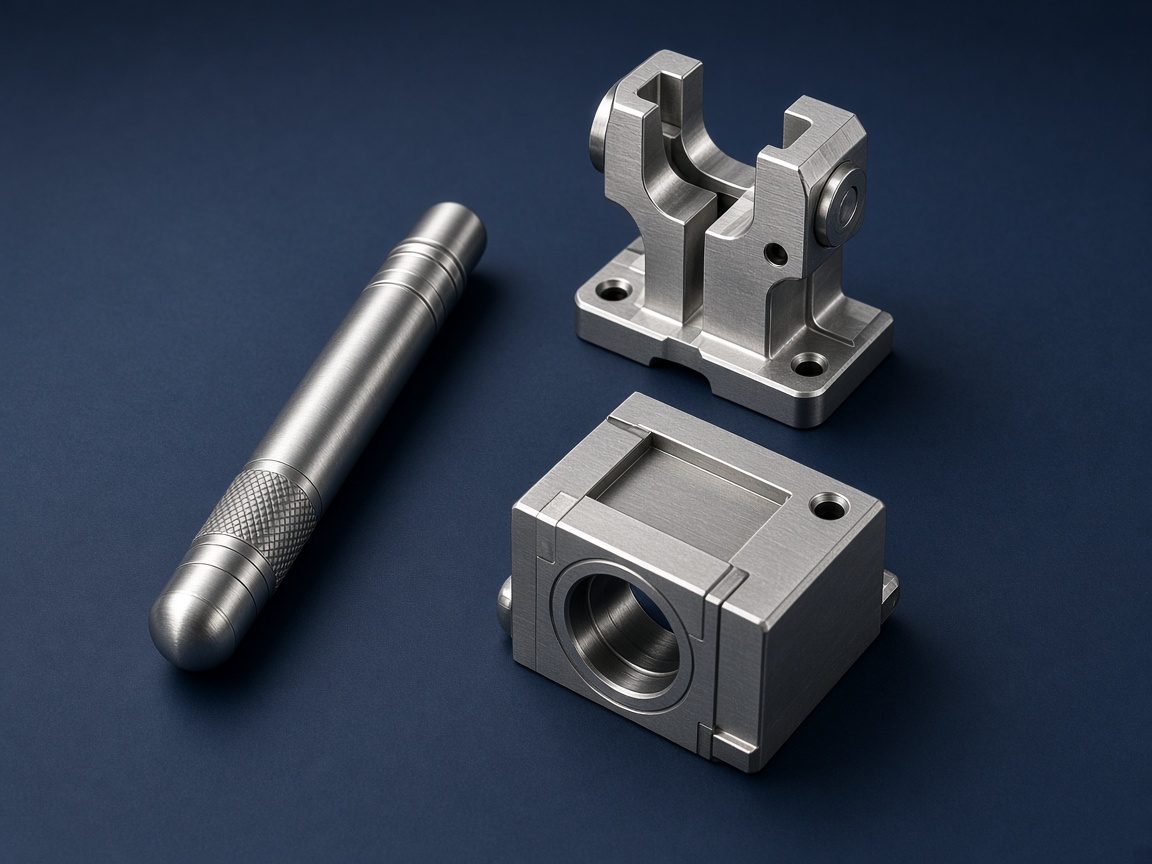
Milled housing and turned stainless shaft — original visual

17-4 PH

Precipitation-hardened when you need strength after a named condition (H900, H1150, and the rest). Chemical-adjacent hardware and shafts that 304 cannot hold. Write the condition. Soft-machine then age — or buy already treated and talk grind / EDM if the print is hard.

Hardness is a line item. “17-4, make it strong” is not a spec.

303 and the hard 400s

Easier chips or real hardness. Both cost something in corrosion. Say which trade you bought.

Stainless milling chips — original visual

303

Sulfur in the melt so the chip breaks. First pick for heavily turned shafts, fittings, and knurl bands when the duty is dry-ish. Worse pitting talk than 304. Do not substitute 303 for a 316 wash-down print to save minutes on the lathe.

Machineability first. Corrosion second. Write it if that is the deal.

Martensitic stainless coupons — original visual

410 / 420

Martensitic. Hardenable. 410 is the general 400-series workhorse; 420 takes more carbon and more hardness after heat treat. Cutlery-adjacent, wear pads, and fasteners when you write the condition. Milder corrosion than 304 — oil or a real coating if the part lives wet.

440C only if you named it. Harder cousin, not a silent swap.

Finished stainless housing — original visual

The PDF still wins

201, 301, 416, 15-5 — we will talk them if you write them. We will not invent a grade from a photo of a silver part. Mill certs on request. A “SUS” stamp without a number is a question, not a buy.

Name the standard (ASTM / EN / JIS) if the melt matters.

Stainless at a glance

Print wins. These are shop-talk numbers — not a brochure claim that every edge is ±0.005 mm and every lot ships in three days.

CellsCNC mill and turn first. Sheet + brake on 304 / 316 when the part is flat. TIG when you mark beads.
Grades we stock-talk304 / 304L, 316 / 316L, 303, 17-4 PH, 410 / 420. Others when written.
Corrosion304 general wet. 316 chlorides. 303 / 410 milder. Passivate after cutting if you wrote it — see passivation.
HardnessAnnealed 300-series is the cut. 17-4 and 410 / 420 after a named heat-treat condition. We leave grind stock if you will harden.
Wall talkAbout 0.8 mm when geometry allows — not a promise on a tall thin rib that work-hardens.
Linear talk±0.05 mm general; tighter when ballooned and purchased. ISO 2768-style if you write the class.
As-machinedTypically Ra 3.2 μm unless a cosmetic face is marked. Stainless can smear if we rub.
ThreadsAs a written standard (metric or UN). “Tap here” is not a spec.
CertsMill cert on request. Ask on the quote.
FilesSTEP + PDF — disk only

How stainless CNC works on this desk

  1. CAD inA solid we can open plus a PDF with grade, qty, finish, and three balloons. “Stainless” alone is not a melt.
  2. Pick mill or turnBoxes and pockets on the mill. Shafts and stems on the lathe. Mixed OD + flats on mill-turn. Same inbox as the rest of CNC machining.
  3. Cut without rubbingSharp tools, real feed, flood. Austenitic grades work-harden if the cutter dwells. We will not quote a dull-tool marathon as if it were aluminum.
  4. Finish you markedAs-machined, passivate, blast, or polish. Unmarked faces stay functional.
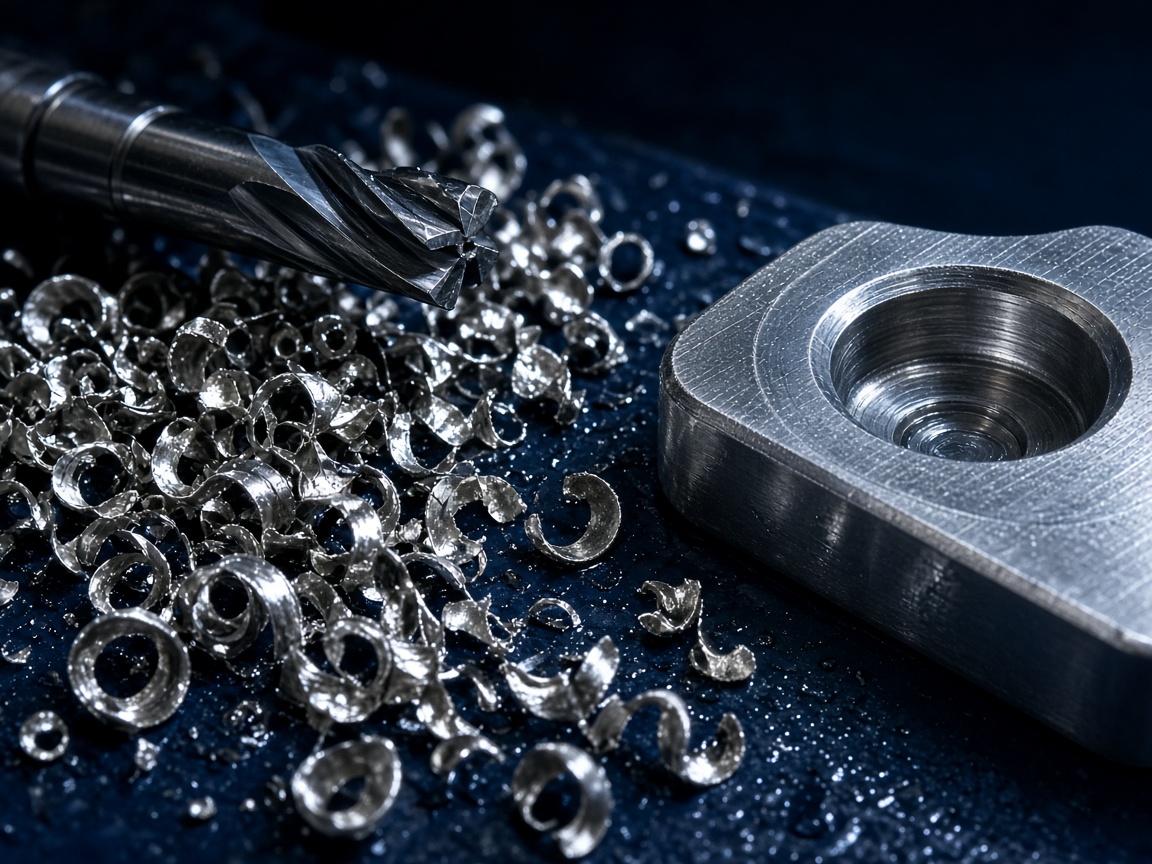
Stainless chips from a mill pass — original visual

Mill vs turn on stainless

The geometry picks the cell. The grade picks the feed. We will not mill a shaft from plate to avoid a lathe.

CNC milling

Pockets, faces, housings, and hole patterns. 3-axis first; more axes only when a second clamp would stack error. See CNC milling.

CNC turning

OD / ID, threads, grooves, knurl bands. 303 is the easy conversation; 316 still turns — slower, sharper, no dwell. See CNC turning.

Sheet + brake

304 / 316 sheet when the part is flat. Work-hardens on a tight draw — we will say if a bend is ugly.

Weld

TIG when you mark beads. 304L / 316L if sensitization is the risk. A weld is not a free cosmetic blend.

How to order stainless parts

No account. Files stay on this server and open only in the staff inbox.

1

Get a factory quote

Upload the pack on Get a Quote. Grade, qty, finish, and balloons on the PDF. Nothing is mailed.

2

Start production

After you confirm. We will say if 303, a mill, a lathe, or a different family is the honest pick.

3

Receive the part

Inspected to the balloons you bought, packed to the quote address.

Why teams send stainless here

We will not treat it like 6061

Feeds, tools, and time are different. The quote says so. A silent aluminum program on 316 is how you work-harden a face.

Named grades

304 is not 316. 303 is not a free upgrade. 17-4 without a condition is a question.

Honest 303 vs 316

If you need chips, buy 303. If you need chlorides, buy 316 and pay the minutes. We will not swap them to win a clock.

Disk inbox

STEP and PDF land in uploads/quotes. Staff only. Never SMTP.

Families, hardness, and corrosion

Austenitic, PH, and martensitic are not interchangeable silvers. Heat treat changes the number on the hardness tester — and sometimes the corrosion story.

Austenitic (300)

304, 316, 303. Formable, generally non-magnetic annealed. They do work-harden under a rubbing tool. That is the shop fact, not a brochure line.

PH (17-4)

Strength after a named age. Better corrosion-at-temp talk than a lot of 400s. Write H900 vs H1150 — they are different parts.

Martensitic (400)

410 / 420. Harden in the furnace. Magnetic. Milder wet duty. Oil or coat if the part lives outside.

Hardness talk

Annealed 304 is not a wear face. 17-4 H900 and hardened 420 are. We inspect the condition you bought — not a catalog photo of “hard.”

Corrosion talk

Chromium oxide is the shield. Cutting breaks it. Passivation rebuilds the film if you wrote nitric or citric. It is not paint and it is not a license to skip 316.

Not duplex / not 15-5

Unless you wrote them. Specialized melts are a sourcing conversation, not a drawer we open for every lot.

304 / 304L316 / 316L30317-4 PH410420
Stainless grade still-life — original visual

Finishing after the cut

Unmarked faces stay functional. Passivation is a written spec, not a free tank dip on every lot.

As-machined

Default. Tool marks stay. Typical Ra 3.2 μm talk.

Passivation

Nitric or citric as you wrote. After cutting, before pack. See passivation.

Bead blast

Even matte. Cosmetic unless you also bought passivate after.

Electropolish

Cleanability / shine line. Not a free mirror on the whole part.

Polish

Marked show faces only.

Powder / plate

When chlorides still win or a color is required. Film is thickness — holes change.

Passivation is not optional theater

The mill and the lathe leave free iron on the face. Passivation dissolves that smear and lets chromium rebuild the film. Write the spec (ASTM A967-style if that is your house). We will not guess citric vs nitric.

After the cut

Machine first. Then the tank. A passivated bar that we then mill again is just a pretty billet.

Mask if needed

Threads, seals, and press fits if the chemistry cannot go there. Say so.

Not a coating

No thickness to hide a band. It will not turn 303 into 316.

Passivated stainless parts — original visual

Stainless vs aluminum vs alloy steel

All three cut on this floor. They are not interchangeable quotes.

SituationHonest pickNot this
Indoor wet, food-adjacent, general hardware304 / 304LCalling every silver part “316”
Chlorides, wash-down, marine-adjacent316 / 316L303 to save cycle time
Heavy turning, dry-ish duty303Forcing 316 on a knurl marathon
Named strength after heat treat17-4 (condition written)Hoping 304 work-hardens enough
Wear / cutlery-adjacent hardness410 / 420 + HTA 300-series polish as “hard”
Light, fast, anodizeAluminumStainless because it looks premium
Painted bracket, cheap strengthAlloy steelStainless when corrosion was never the point

Where stainless parts show up

Honest adjacent claims. We machine the print. We do not sell a registration you did not buy.

Medical-adjacent stainless instrument parts — original visual

Medical-adjacent

Handles, housings, and small instrument bodies when you buy the inspection. 304 / 316 / 17-4 as written. This is not a catalog claim of a finished device or a clean-room cert we did not quote. See also medical.

Food-adjacent stainless hardware — original visual

Food-adjacent

304 for most indoor wet hardware. 316 when wash-down chemistry is real. Clamps, brackets, and fittings. Electropolish if you wrote cleanability. We will not stamp a food-contact mark you did not specify.

Marine-adjacent stainless fittings — original visual

Marine-adjacent

316 / 316L fittings, flanges, and stems. Passivate after the cut. This is not a boat-class or salt-spray certificate unless that line is on the quote. 304 in a splash zone is a conversation we will have.

DFM notes before you upload

Work-hardening

Austenitic grades (304, 316, 303) harden if the tool rubs or dwells. Sharp, real chip load. A “spring pass” that just kisses the wall is how you glaze a pocket. We will not copy an aluminum program.

303 vs 316 machineability

303 breaks chips. 316 smears and work-hardens more. If the duty is dry hardware, 303 is cheaper to cut. If the duty is chloride, pay for 316 and a slower feed. Do not write 316 and then ask us to “cut it like 303.”

Thin walls

0.8 mm is talk. A tall stainless rib chatters and work-hardens. Add a rib, a land, or a thicker wall — or we will mark the risk.

Inside corners

A cutter has a radius. Sharp internals are an EDM conversation or a relief. Stainless does not make that cheaper.

Heat treat sequence

17-4 and 410 / 420: say machine-soft then age, or buy hard and grind. A hardened 420 pocket is not a mill hero shot.

Passivate after, not before

Write the spec. Mask fits if needed. We will not passivate a part we still have to mill.

Standards & inspection

We work to the band on your drawing. If you write nothing, we say which shop default we used — and we will still ask for a grade.

General talkISO 2768-style when you write the class. Metals vs plastics are different conversations.
Grade / meltASTM / EN / JIS name on the PDF. Mill cert on request.
HardnessNamed condition (H900, HRC, etc.). A catalog “hard” is not a balloon.
PassivationWritten spec. Nitric or citric. See passivation.
ThreadsMetric or UN as a standard — not “tap here.”
InspectionBalloons you marked. CMM / FAIR are line items.
CosmeticShow faces marked. Unmarked stay functional.
FilesDisk only — never emailed.

FAQ

304 for general indoor wet and food-adjacent hardware. 316 when chlorides, wash-down, or marine-adjacent duty is written. We will not upgrade silently. The PDF wins.
Sulfur in the melt breaks the chip. That is why we like it on heavy turning. It also hurts pitting resistance versus 304 / 316. Do not swap 303 onto a 316 print to save minutes.
The 300-series grades we cut every week do, if the tool rubs. Sharp tools, real feed, no dwell. That is the opposite of a light “spring pass.” 17-4 and the 400s have their own hardness story after heat treat.
Yes. Same CNC machining desk. Housings on the mill, shafts on the lathe, mixed work on mill-turn. Time is not aluminum time.
Write the condition (H900, H1150, and so on). Soft-machine then age, or buy already treated and talk grind. “Make it hard” is not a spec.
410 is the general hardenable 400. 420 takes more carbon and more hardness after heat treat. Milder corrosion than 304. 440C only if you named it.
When you write it. Nitric or citric as specified. After the last cut. Details on passivation.
Cold work can make 304 slightly magnetic. That is not a melt defect by itself. If you need fully non-magnetic, say so on the PDF — we will talk grade and process.
Ask on the quote. We do not invent a cert after the bar is gone.
No. The pack lands in uploads/quotes and opens only in the admin inbox.

Send the stainless pack

STEP plus a PDF. Named grade, finish, and balloons. Files stay on the Bluesky Tooling server and open only in the staff inbox.

Get a Quote