Uploads stay on this server — never emailed

Industries

Medical

Sector is a folder name. The drawing is the contract. Bluesky Tooling cuts medical-adjacent work we can actually hold — instrument handles, device housings, fixture nests, and PEEK or POM details. We mill, turn, and Swiss-turn when the geometry asks. We do not stamp a device registration on a blog page, and we do not hang an ISO 13485 or FDA plaque we do not own. Uploads stay on this server.

  • Handles, housings, fixtures — as printed
  • Mill / turn / Swiss from the print
  • Disk-only packs — never emailed
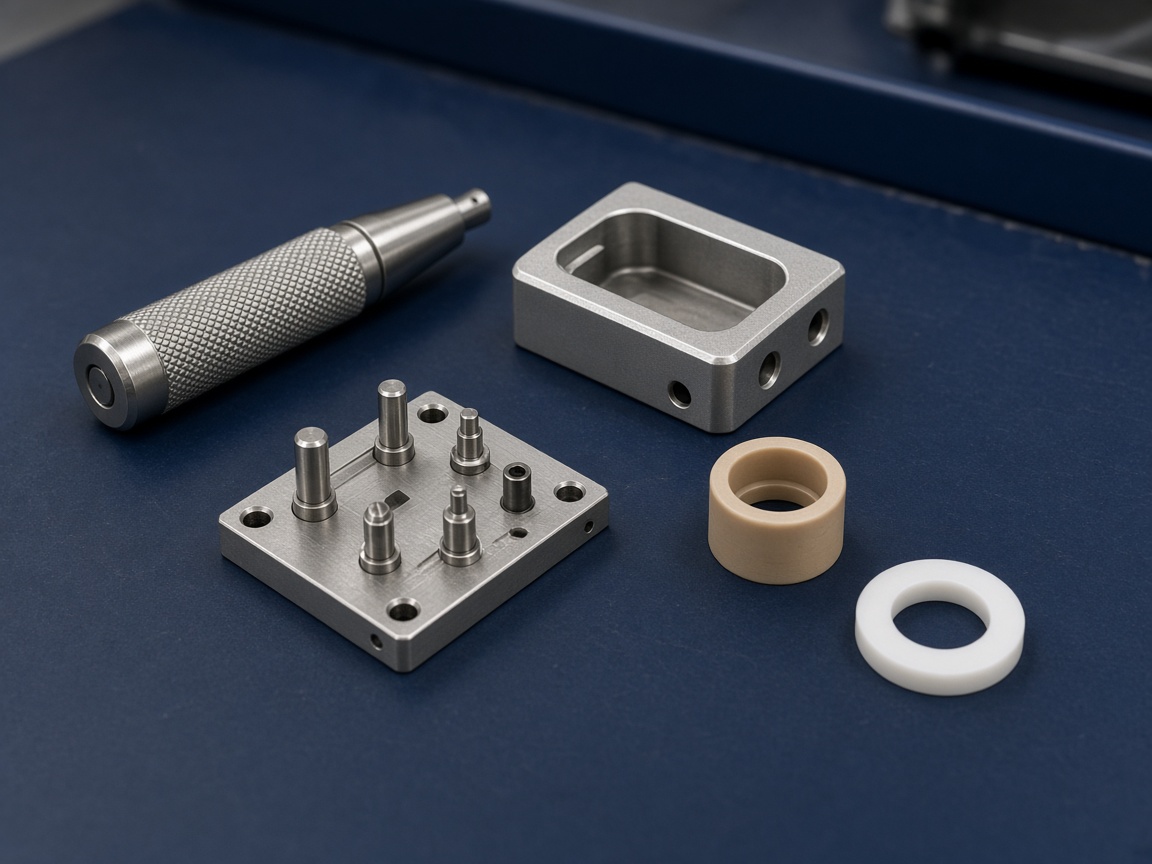
Machined stainless instrument handle and device housing — original Bluesky Tooling visual Upload your design

All uploads stay on this server — never emailed

Parts this desk actually quotes

A union of the work that shows up in the inbox — not a catalog of implants, sterile packs, or finished devices we have never registered. If the print is a certified implant or an FDA-released article, say so; we will tell you when that is not our cell.

Swiss-turned stainless instrument handles and stems — original visual

Handles, stems, instrument bodies

Knurled grips, turned collars, and handheld instrument hardware when the PDF names the grade. Lathe first; Swiss when L/D would chatter on a chuck. This is metal you can balloon — not a finished surgical kit.

Knurls, flanges, lock-pin holes as printed.
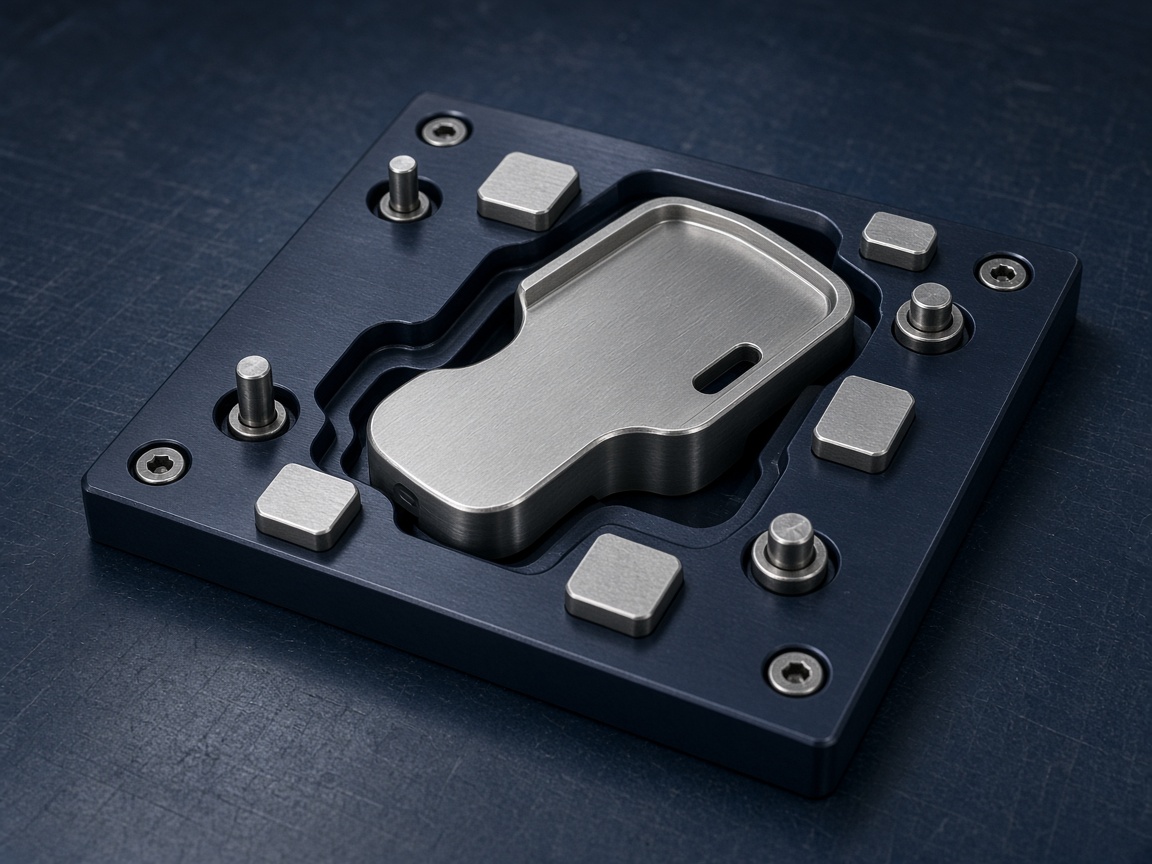
CNC medical-adjacent fixture nest with locating pins — original visual

Fixtures, nests, check plates

The nest is sometimes the product. Locating pins, rest pads, and assembly gauges for a shop that already owns the device work. Repeat the datum; do not invent a clean-room claim.

Inspection plates, pin nests, proto holding fixtures.

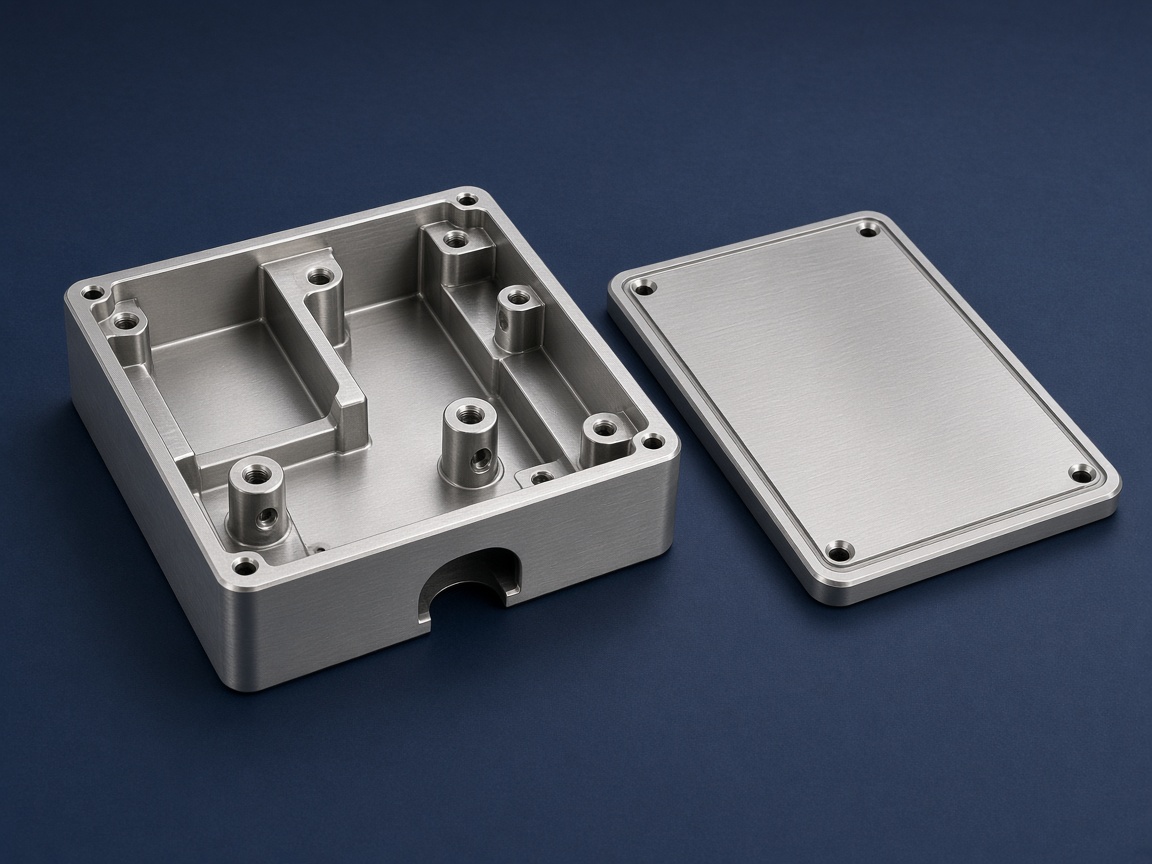
Pocketed stainless medical-adjacent device housing — original visual

Housings, lids, covers

Pocketed boxes, handheld shells, and benchtop lids. Metal or plastic from the print. We will not call a fixture a certified enclosure or a sterile barrier.

Bosses, cable cutouts, datum pads.

Housings, handles, and lab-adjacent hardware

Diagnostic-adjacent boxes, handheld grips, connector plates, and bench fixtures. Thin-wall stainless is a feed conversation. We will not call a nest a finished instrument, and we will not sell a housing as a registered device.

Machined housings

Sensor covers, instrument bodies, and pocketed lids when the grade is named. 316 first for wet-adjacent work. CNC machining →

Handles and grips

Knurled stems and flanged collars. Plastic CNC while the CAD still moves. We do not certify a finished tool or a sterile pack.

Lab and diagnostic-adjacent plates

Locator blocks, manifold-adjacent plates, and cable cutouts you ballooned. Fluid and isolation talk stay on your spec — we cut the part.

Surrogate and fit-check bits

Stand-in geometry while a serial source is still open. Mark it as a surrogate on the PDF if that is what it is.

Pocketed medical-adjacent instrument housing with lid — original visual

Pick the cell from the print

Geometry picks the spindle — not a brochure name. We will not mill a slender stem that wants Swiss, or Swiss a housing that wants a vise.

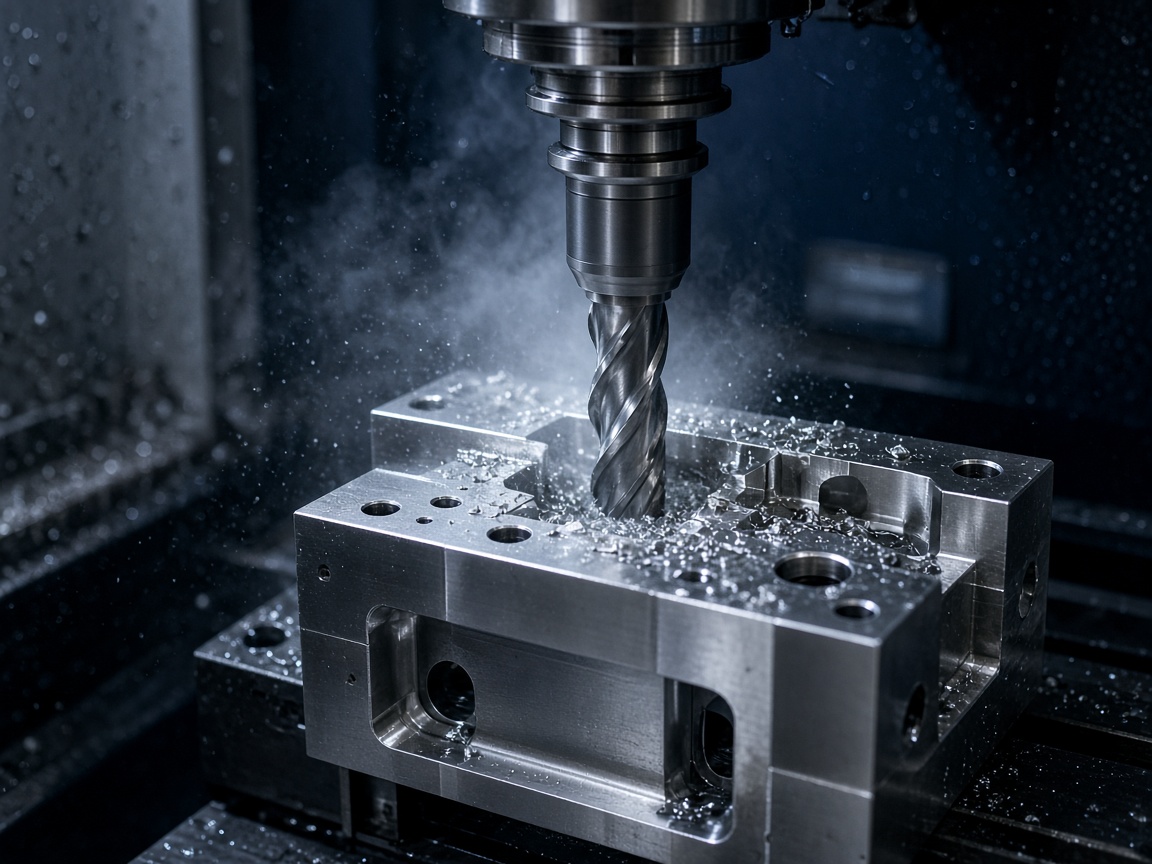
CNC milling a stainless medical-adjacent housing — original visual

CNC mill

Prismatic housings, nests, and plates. 3-axis first; 4-axis or 5-axis only when a second clamp would stack error. CNC machining →

Named grades. Balloons you buy.

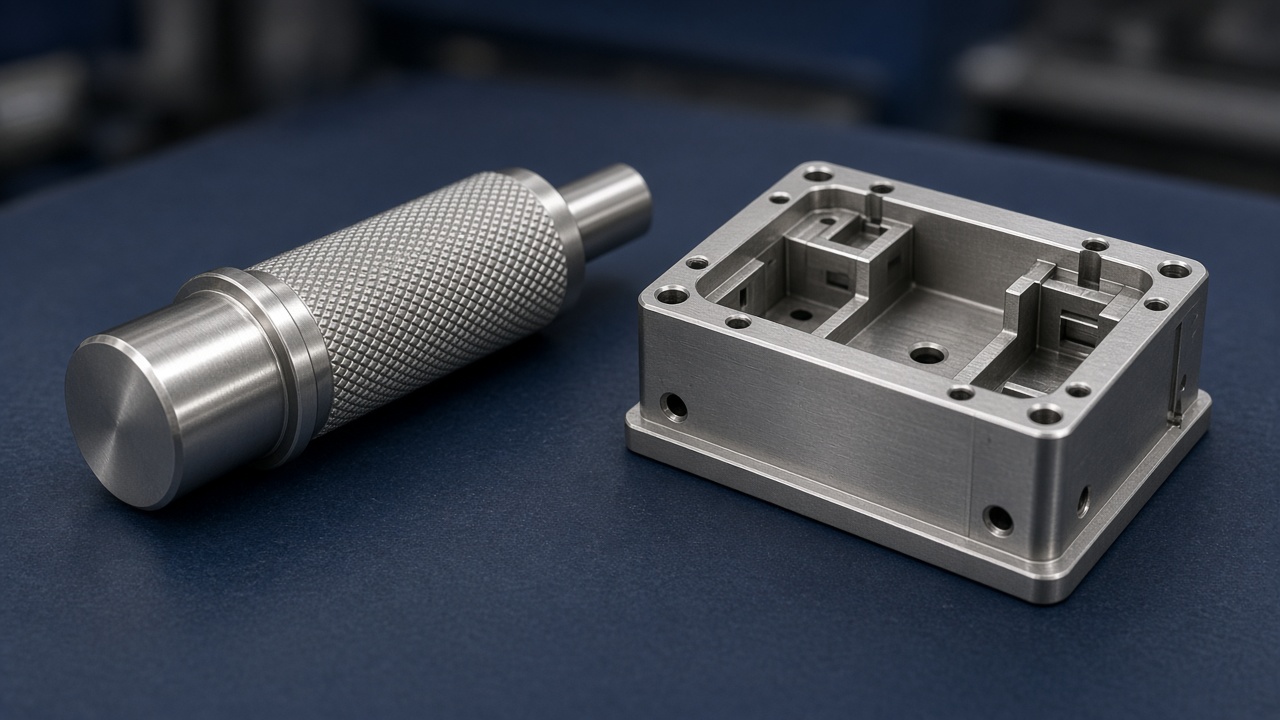
Turned stainless instrument handle and milled housing — original visual

CNC turn & mill-turn

OD / ID, knurls, threads, and cross holes. One chuck when a turned OD shares a datum with flats. Plastic CNC for proto grips. Plastic CNC →

Handles, collars, flanged covers.

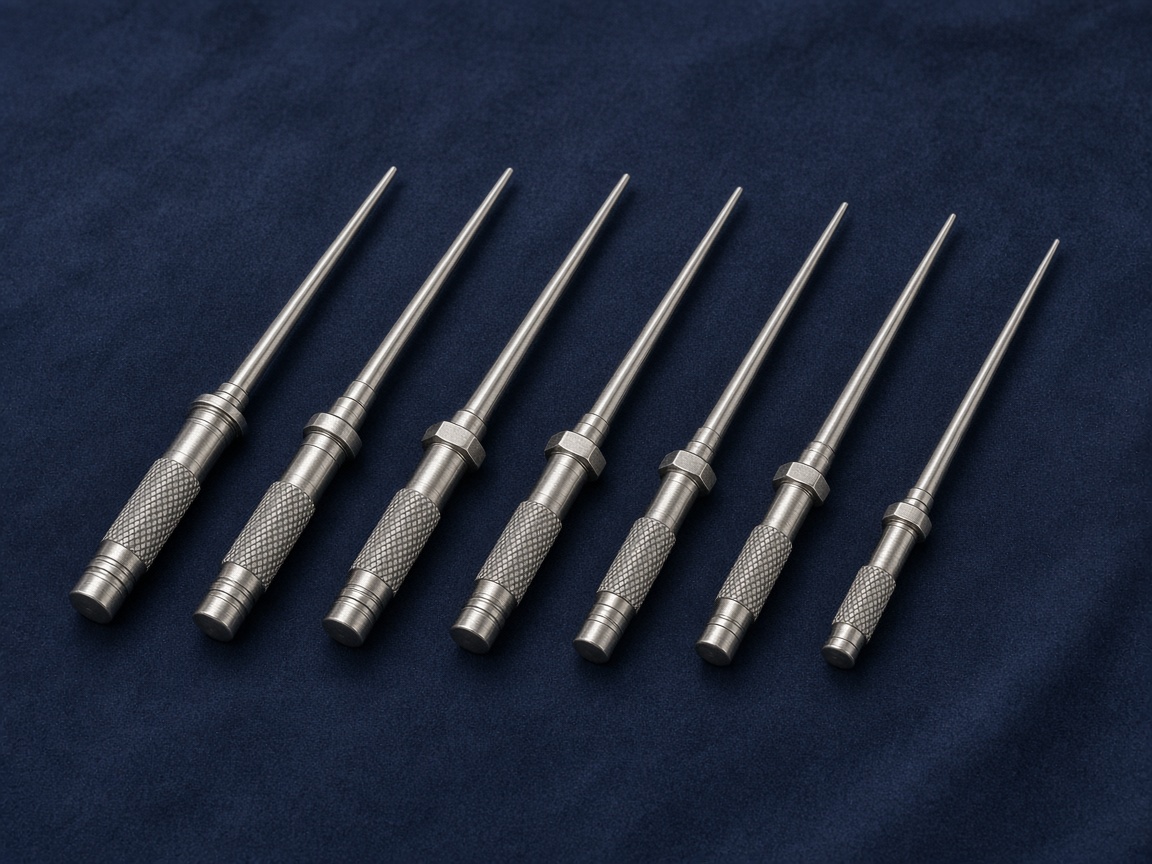
Swiss-turned stainless instrument stems — original visual

Swiss when L/D asks

Guide-bushing support at the cut. Small-OD stems and slender instrument hardware. We will not sell Swiss for a short fat collar. Swiss turning →

Slender bar lots. Named thread.

Shop talk we will put on a quote

These are desk numbers — not a claim of ±0.001 in on every edge of a large plate. The print wins.

Mill / turn cells3-axis, 4-axis, 3+2, continuous 5-axis, lathe, Swiss. See CNC machining.
Linear talk±0.05 mm general on milled faces; tighter when ballooned and purchased.
As-machinedTypically Ra 3.2 μm unless a cosmetic or sealing face is marked.
Wall talkAbout 0.8 mm metals / 1.5 mm plastics when geometry allows — not a 200 mm tall rib in 316.
Swiss talkGuide bushing at the cut. Short fat work stays on a chuck. Swiss turning.
Work envelopeStandard mills cover most housings and fixture plates (about 800 × 500 × 400 mm). Larger asked on the quote.
FilesSTEP, IGES, SLDPRT, DXF, PDF — disk only. Never emailed.

Volumes we will actually run

Prototype, fixture, and low-to-mid lots. We do not advertise a device-line rate or a sterile-pack cell we do not own.

What it means hereHonest pick
One-off / protoFit, DFM, and a first nest or handle.CNC mill / turn, or plastic CNC. 3D print only if the PDF allows it.
Fit-check / surrogateA stand-in while the serial part is still moving.Same cell. Mark it as a surrogate if that is what it is.
Fixture lotsA handful of plates that must repeat the datum.Mill the nest like a product. Do not freeze a steel tool on week two.
Pilot / bridgeCover a bench build while a serial source is still open.CNC. We will say if plastic CNC is cheaper than a metal housing.
Low–mid productionRepeatable lots when the process matches the count.A mill, lathe, or Swiss cell — not a slogan of “FDA devices at scale.”

Materials we buy when you name them

“Medical grade” is not a spec. Write the alloy, the plastic, and the temper. We will not silently swap 304 for 316, or POM for PEEK, because a catalog called them cousins.

Stainless 316 / 316L

Wet-adjacent handles, housings, and hardware when chlorides are written. Passivate if the PDF says so. Stainless steel →

17-4 PH

When the print names H900 or H1025 and the load is real. Heat treat only if bought. Not a free upgrade from 316.

304 / 303

304 for general wet. 303 when you trade corrosion for chips. We will not run 303 as if it were 316.

PEEK

High-temp, chemical-resistant proto details and nest pads when you write the grade. Not an implant claim. PEEK → · Plastic CNC →

POM / Delrin

Bushings, spacers, and proto grips. Glass-fill only when named. Delrin →

Ask metals & plastics

6061 fixture plates. PC / ABS proto shells. Titanium only if you write it — and we still will not sell it as a packaged implant.

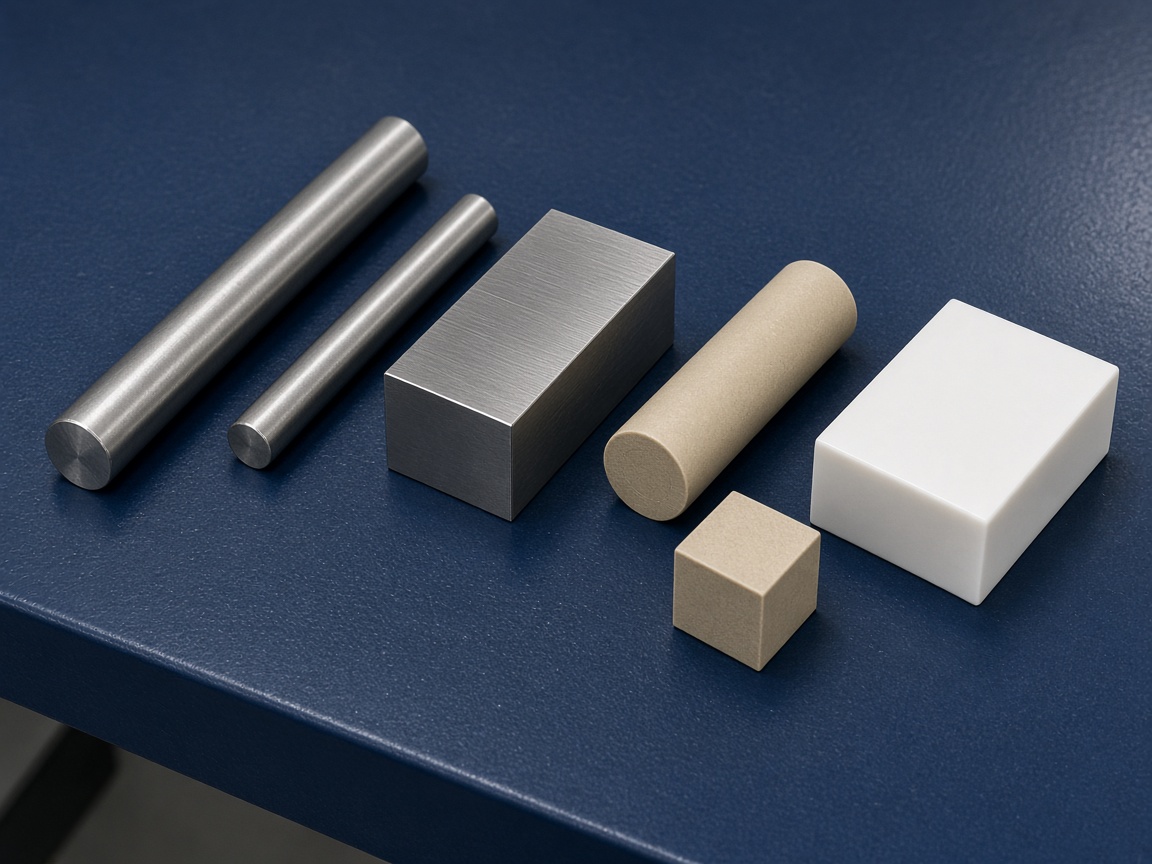
316 / 316L17-4 PH304303PEEKPOMPC6061
Stainless 316, 17-4, PEEK, and POM stock for medical-adjacent parts — original visual

Finish after the cut — if you marked it

Unmarked faces stay functional. Film is thickness. A coat or a passivate after a fit changes the hole.

As-machined

Default. Tool marks stay. Typical Ra 3.2 μm talk.

Bead blast

Even matte before a named coat, or as a look of its own.

Passivation

Stainless when written. Mild protection, not theater. Passivation →

Polish / brush

Show faces marked. “Looks surgical” without an Ra call is a guess we will not make.

Anodize

Aluminum fixtures Type II / III. Dye is a range, not a Pantone.

Laser mark

UDI-style text only if you buy the mark and send the string. We do not invent a device ID.

DFM notes before you upload

We will say this on the quote if the solid hides it. Cheaper now than after a 316 blank is hogged.

Inside corners

A cutter has a radius. Sharp internal corners on a housing are an EDM conversation or a relief.

Thin walls & deep pockets

Past about 4× width we talk a longer tool, a split, or a thicker rib. Copying a steel wall onto PEEK — or 316 — chatters.

Stainless work-hardening

Feed stays in the cut. Dwell glazes. A 6061 program with a new tool number is not a 316 program. Stainless steel →

PEEK and POM heat

Plastics melt if you copy a metal feed. Named grade, named clamp. Plastic CNC →

Threads after passivate

Write the standard and the pair. Passivate or polish after a H7 is a different hole.

Swiss vs a chuck

We Swiss a slender stem when L/D would chatter — not as theater on a short collar. Swiss turning →

Quality talk without a borrowed plaque

We work to the balloons you bought. We do not advertise ISO 13485, FDA registration, a clean-room class, or an implant cert we did not run. If you need a named QMS, ask on the quote — we will say yes or no.

InspectionThe features you ballooned. Visual plus the gauges the print implies.
CMM / FAIRLine items. Not a default on a ten-piece nest.
Material cert / CoCOn request when we can buy the lot that way.
ISO 13485 / FDA / implantNot a claim on this desk. Follow the inspection you buy.
Sterile pack / clean roomWe are not a sterile pack house. Degrease and bag as quoted — not a validated sterile barrier.
FilesDisk only. Staff inbox. Never SMTP.
Medical-adjacent check fixture on an inspection bench — original visual

Where this work shows up

Programs, not badges. We will not list hospital, OEM, or device marks we do not own.

PEEK and stainless instrument-adjacent parts — original visual

Handheld instruments

Handles, stems, and small bodies in 316, 17-4, PEEK, or POM. Functional hardware — not a certified instrument or a sterile kit.

Diagnostic-adjacent machined housing — original visual

Diagnostic and lab-adjacent

Benchtop covers, locator plates, and cable cutouts. Fluid paths and isolation stay on your spec.

Mixed medical-adjacent handles, fixtures, and housings — original visual

Shop floor and validation nests

Jigs, check details, and short-run replacements while a serial source is still open. The print still wins.

How a medical-adjacent pack runs here

  1. CAD inA solid plus a PDF. Material, qty, finish, and three balloons — not “make it medical.”
  2. Pick the routeMill, turn, mill-turn, Swiss, or plastic CNC. We say which. Sibling pages stay honest.
  3. CutNamed stock. Honest clamps. A fixture nest is programmed like a product.
  4. Check & packInspect to the balloons you bought. Files never leave this disk.
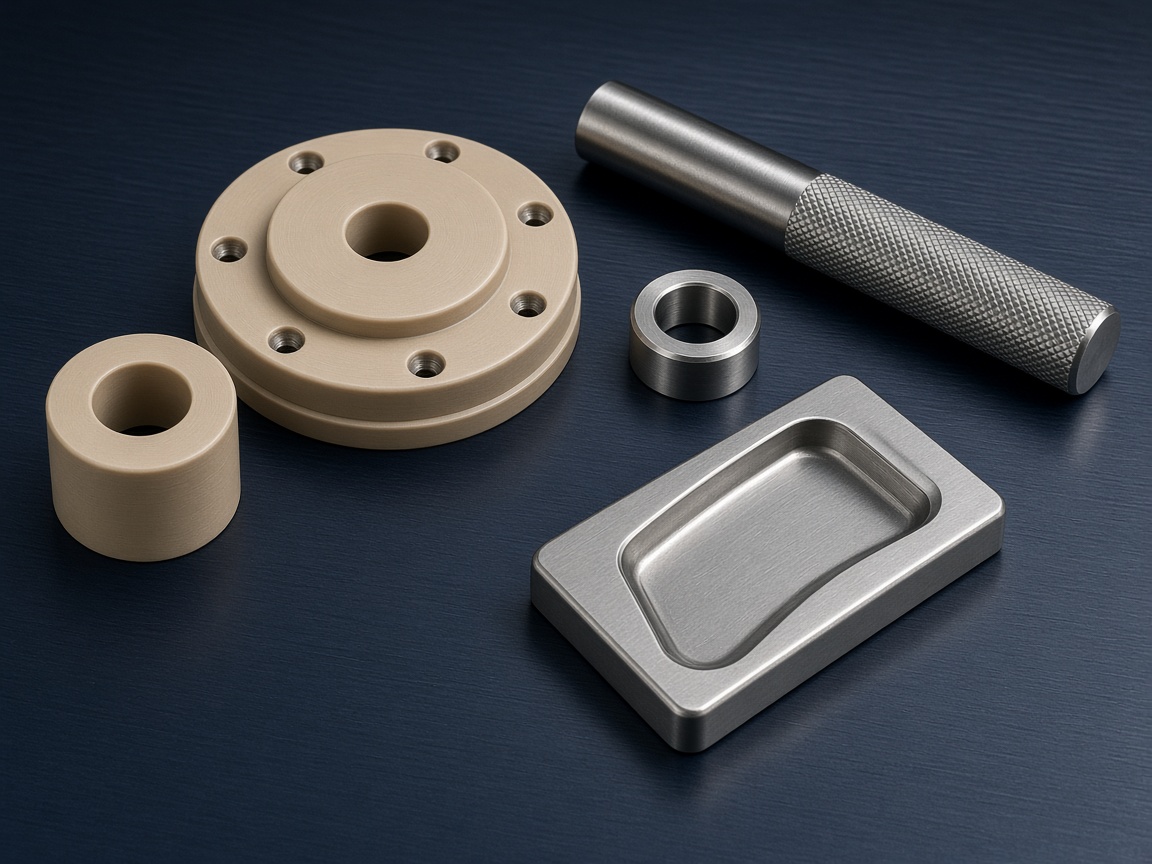
Medical-adjacent parts still-life after inspection — original visual

How to order medical-adjacent parts

No account. Files stay on this server and open only in the staff inbox.

1

Get a factory quote

Upload the pack on Get a Quote. Nothing is mailed.

2

Start production

After you confirm, the cell starts. We will say if Swiss or plastic CNC is cheaper than a vise cut.

3

Receive the part

Inspected to the balloons you bought, packed to the quote address.

Why teams send this sector here

The print wins

Sector is a folder name. The drawing is the contract. We will not invent a device file or an ISO 13485 line.

Named processes

Mill, turn, or Swiss — picked from the geometry and the yearly number. Linked desks, not a thin clone.

Disk inbox

STEP and PDF land in uploads/quotes. Staff only. Never SMTP.

Honest sibling pick

A slender stem belongs on Swiss. A housing belongs in a vise. A proto grip can stay plastic CNC.

FAQ

No. We cut handles, housings, fixtures, and hardware to the print you send. A packaged implant, a sterile barrier, or a registered device is a different conversation — and usually a different shop.
We do not claim ISO 13485, FDA registration, or a clean-room class on this desk. We follow the inspection you buy. CMM, FAIR, material certs, and a CoC are line items if we can support them.
Yes — when you name the grade. 316 / 316L and 17-4 on stainless. PEEK and POM on plastic CNC. We will not silently swap cousins.
When L/D would chatter on a chuck, yes. Short fat collars stay on a lathe. See Swiss turning.
Passivate if written. Mill certs and a CoC on request when we can buy the lot that way. See passivation.
No. Degrease and bag as quoted. We are not a sterile pack house and we will not invent a validated barrier from a blog page.
No. The pack lands in uploads/quotes and opens only in the admin inbox.

Send the medical-adjacent pack

STEP plus a PDF. Name the grade, the qty, and the balloons. Files stay on the Bluesky Tooling server and open only in the staff inbox.

Get a Quote