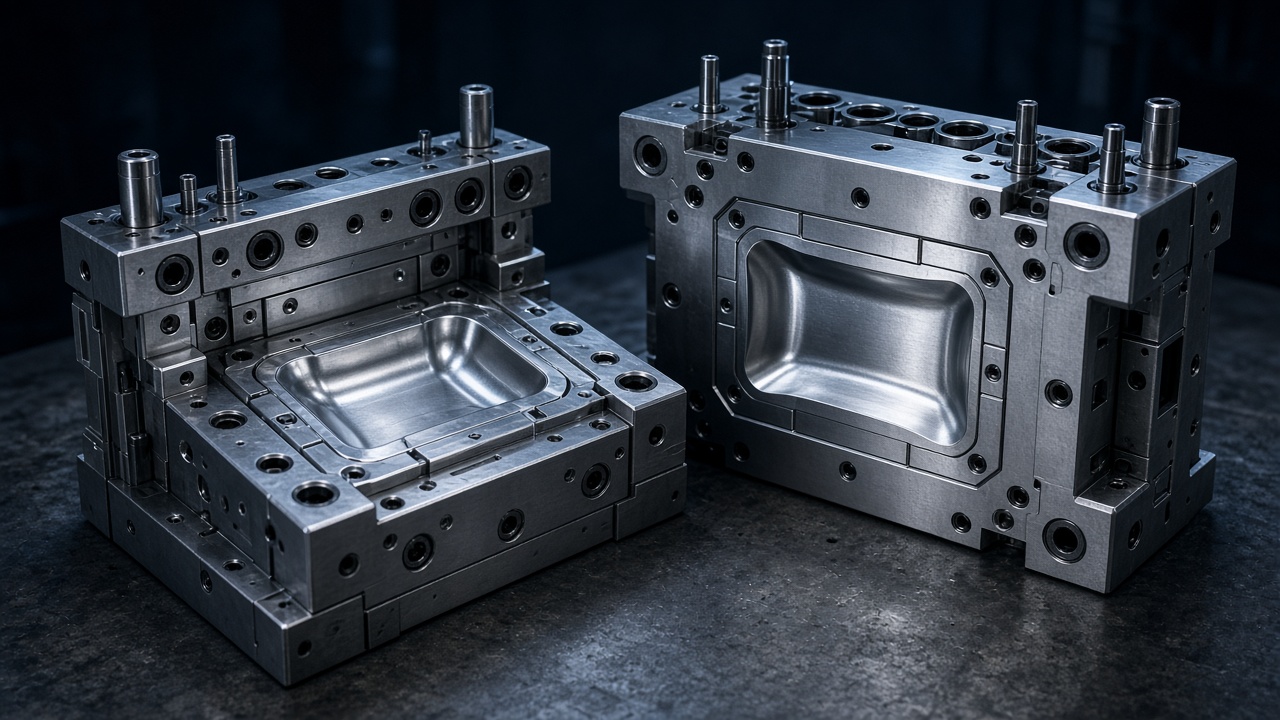
Hard cavity
Named steel, heat treat when the resin or polish needs it, EDM and grind as the print requires. Slides and lifters are lines — not a surprise after T1.
First pick when the yearly number pays for hardness.

Capabilities
A production tool is hard steel sized to the yearly number you actually buy — not a pretty die for twenty pieces. Bluesky Tooling cuts P20, H13, or S136-class cavities when the geometry is frozen and the cycle band is written. T1 is still a review. Uploads stay on this server.
This page is the shoe and the cavity. The shots themselves live on injection molding. A bridge insert before you freeze steel is rapid tooling.
Named steel, heat treat when the resin or polish needs it, EDM and grind as the print requires. Slides and lifters are lines — not a surprise after T1.
First pick when the yearly number pays for hardness.
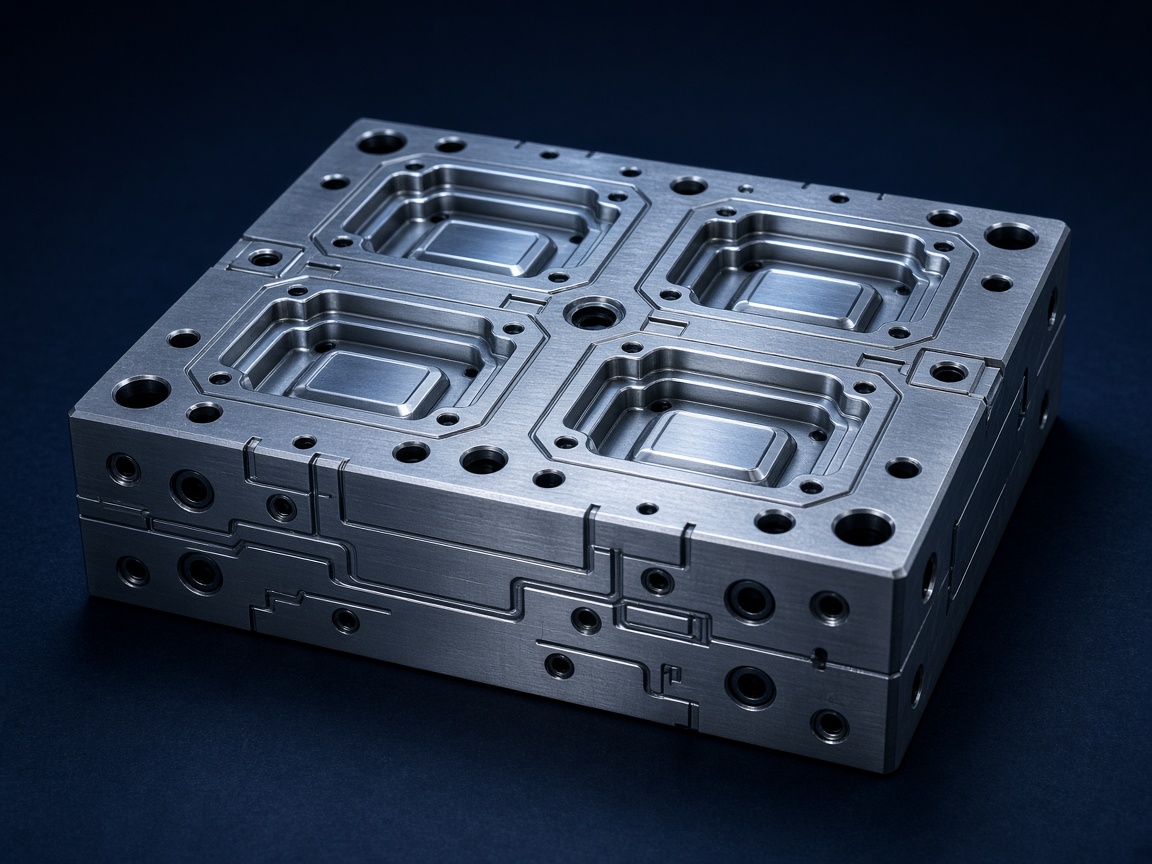
A second cavity is a second steel bill. We add cavities when the piece price and the balance both hold. Family tools only when the parts ship together and shrink the same.
Single cavity until the number is real.
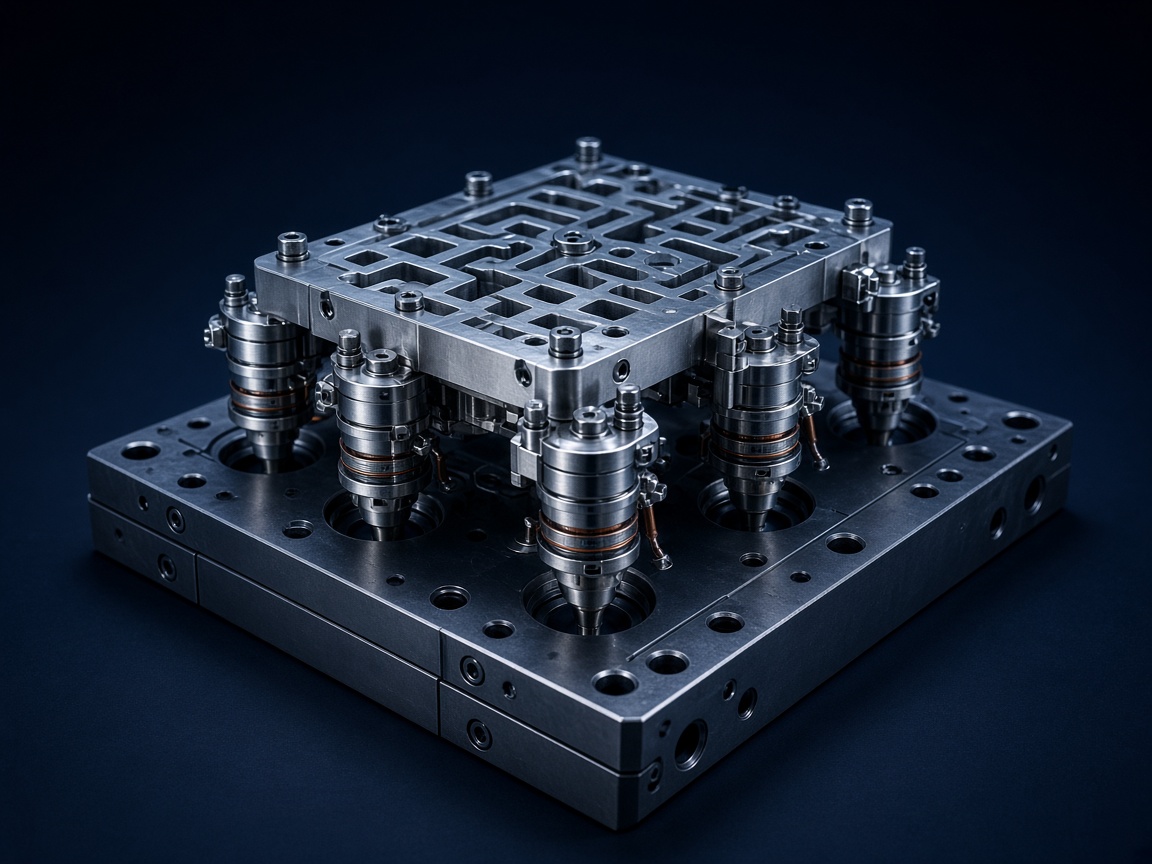
A hot drop cuts waste and cycle on a repeating housing. Cold runner is honest on a small part or a resin that hates a hot tip. We will not sell a manifold as theater.
Quoted as a system, not hidden in the piece price.
Soft metal is faster. Hard steel lasts. We pick from the yearly number and how often the cavity will still move — not from a brochure photo of a Class 101 die.
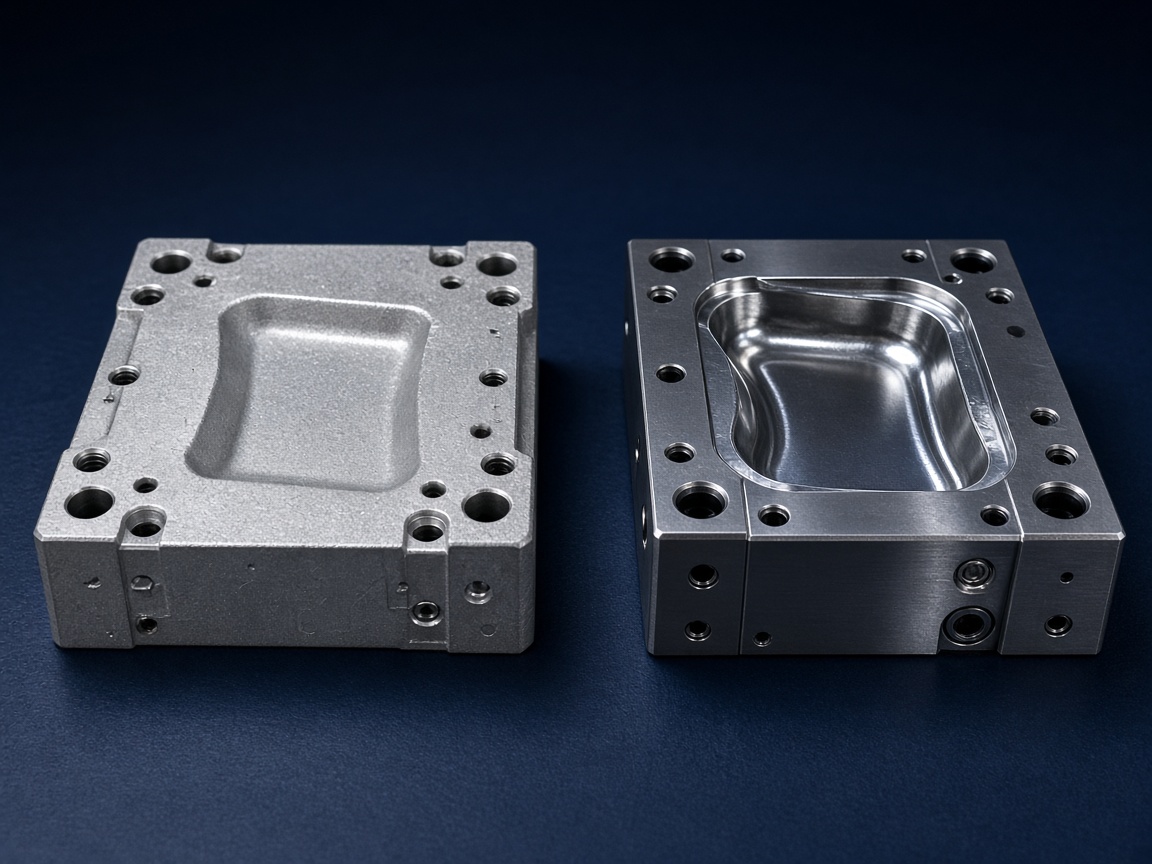
Faster cut. Easier steel-safe edits after T1. Fine for hundreds to a few thousand shots when the resin is not abrasive and the solid is still learning. That pack is rapid tooling.
Do not buy P20 for a geometry that moves weekly.
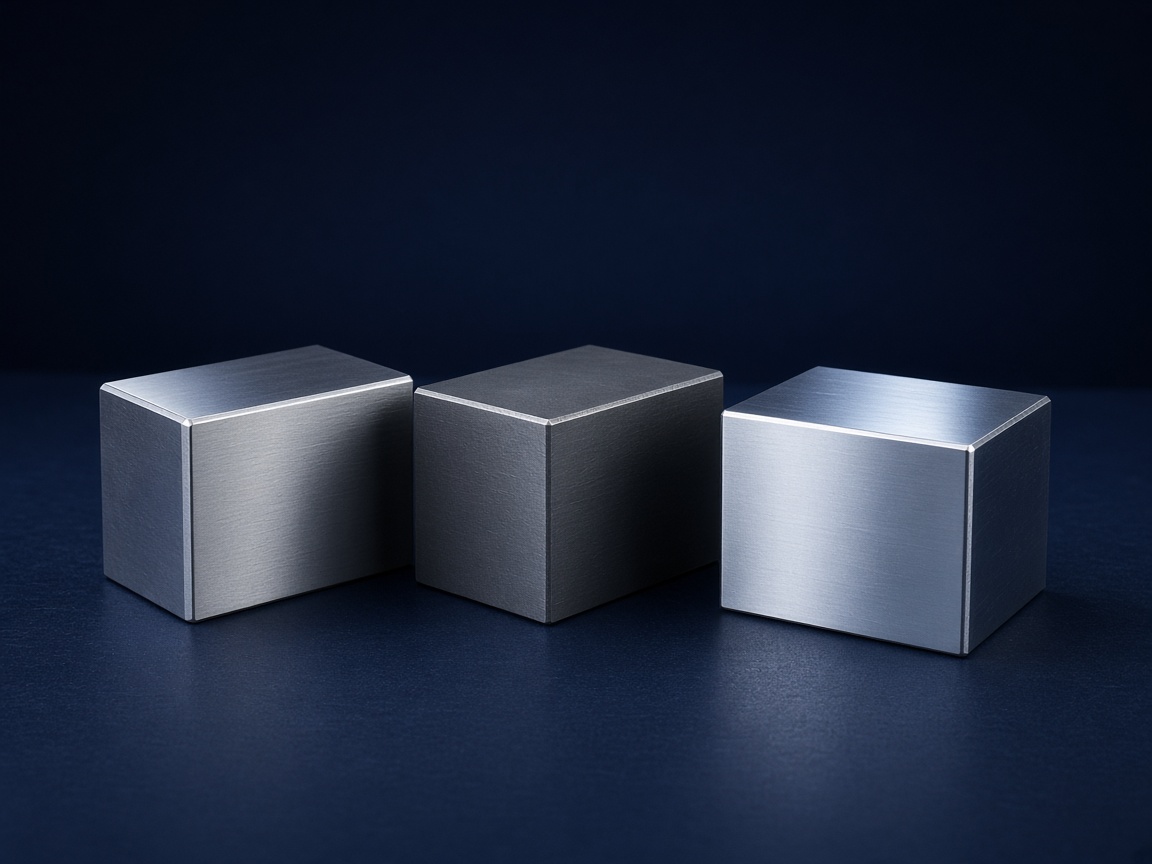
P20 for a mid-life housing. H13 when heat or a glass fill will chew a soft cavity. S136-class when you wrote polish, corrosion, or a clear/medical-adjacent face. Cycle band on the quote — not “forever.”
Harder to recut. Freeze the CAD first.
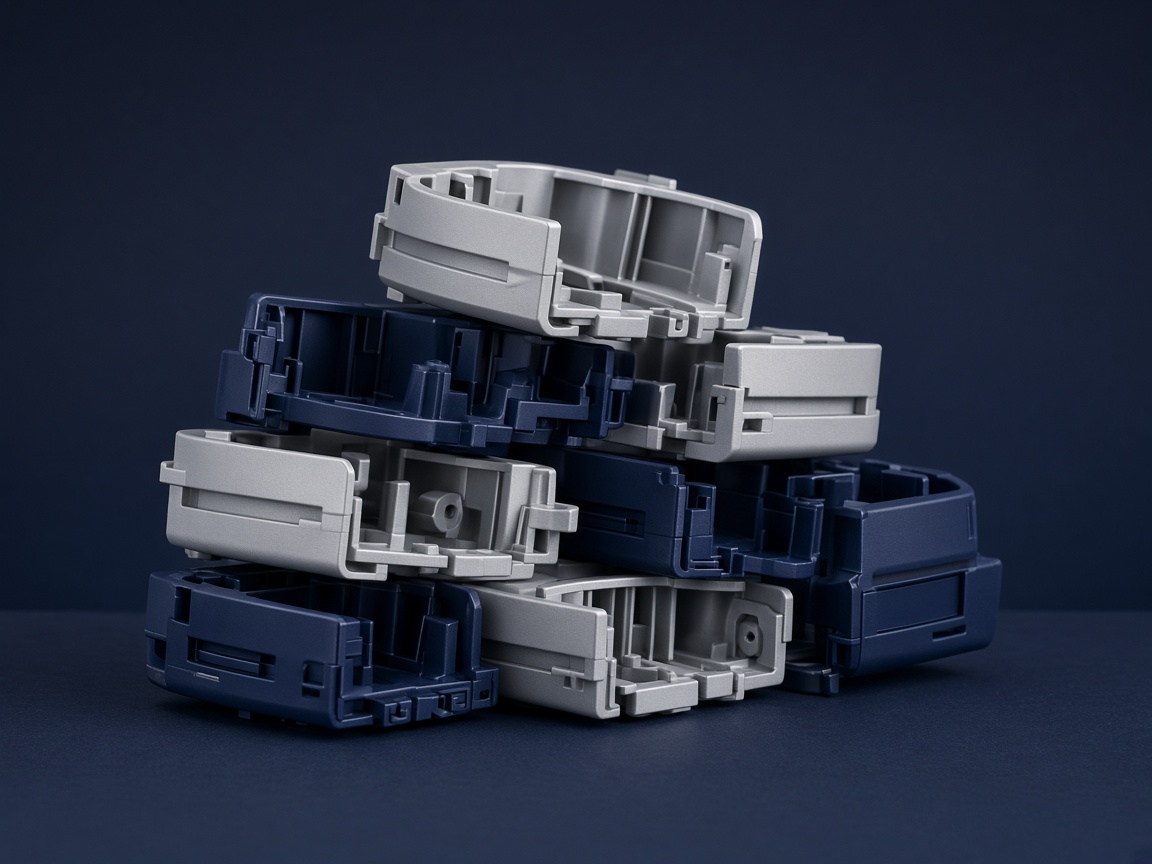
T1 means shots exist and a list is open. Production means you signed that list. A cavity edit after lock is a new line. See the T1 note and the molding desk.
First honest look. Not a lock.
Print wins. These are shop-talk numbers — not a brochure claim of a million shots on every shoe.
| What we cut | Single-cavity production steel, multi-cavity when volume pays, hot or cold runner as written. Bridge aluminum is a different page. |
|---|---|
| Steels we name | P20 / 718-class, H13, S136 / 420-class, NAK80-class when you write it. “Tool steel” is not a grade. |
| Shot life | A cycle band on the quote. Talk ranges: tens of thousands on P20; 100k–1M+ when the class and the resin allow. Not unlimited. |
| SPI / SPI-style class | We talk 101–105 as a life band, not as a certificate on the wall. You buy the construction that matches the number. |
| Cavity finish | SPI-style A / B / C / D on the faces you marked. Unmarked stay as-machined / EDM. |
| Actions | Slides, lifters, unscrewing, and inserts priced. Spares for wear faces if the resin is abrasive. |
| T1 | Shots + list. Geometry is not frozen until you lock. Steel edits are line items. |
| Ownership | You own the steel you paid for. It stays on this floor for repeats unless you buy a crate. |
| Files | STEP + PDF — disk only |
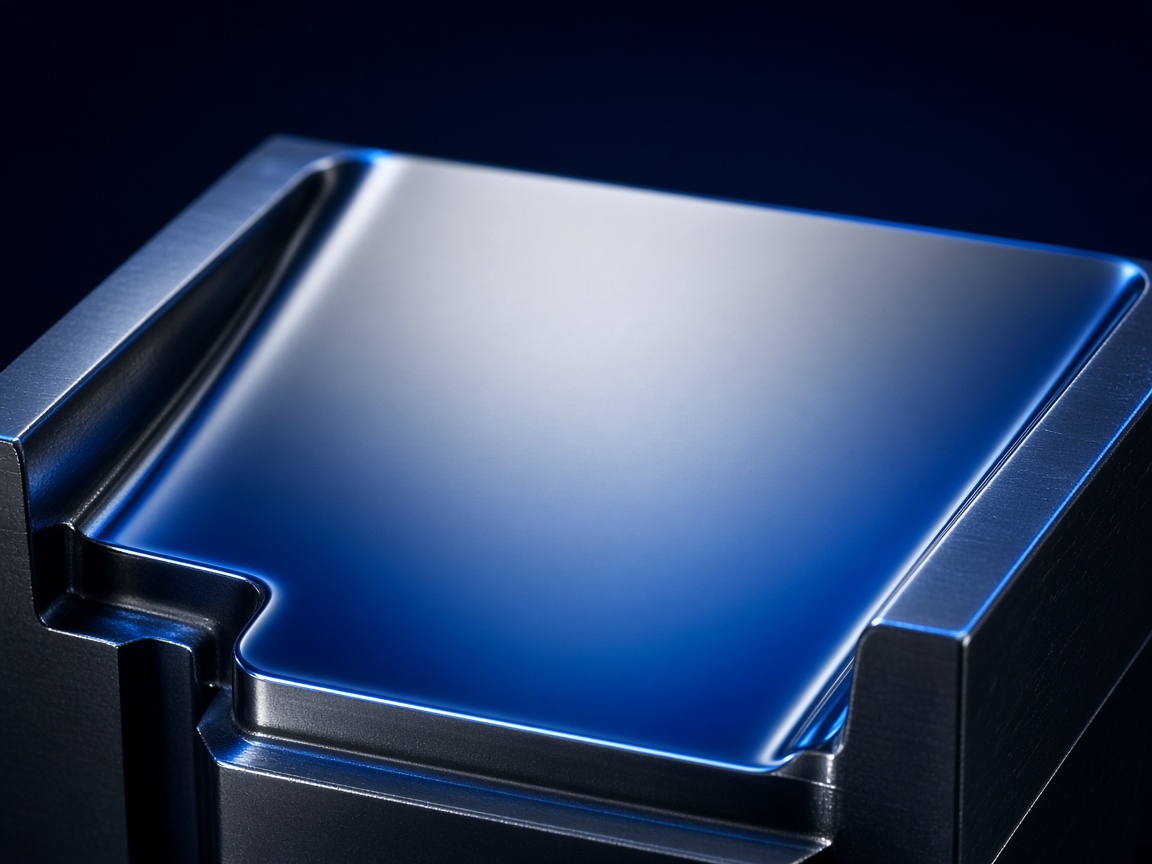
SPI-style class numbers are a construction conversation. We will not stamp “Class 101” on a mild shoe to look expensive.
| Shop talk | Cycle band | Honest build |
|---|---|---|
| High-volume steel | About 1,000,000+ when the resin and the maintenance hold | Hardened cavities, guided ejection, wear plates, stainless or coated base if written |
| Mid / high steel | About 500,000–1,000,000 | P20 or better, detailed cooling, named polish |
| Standard production | About 100,000–500,000 | P20-class, single or few cavities |
| Short production / economy | About 10,000–100,000 | Softer steel or a well-built aluminum — often the rapid-tool page |
| Proto insert | Hundreds, not a year of shots | See rapid tooling |
No account. Files stay on this server and open only in the staff inbox.
Upload the pack on Get a Quote. Nothing is mailed. Yearly number, resin, and cosmetic faces on the PDF.
After you confirm. We will say if a bridge tool or CNC is the honest pick instead.
Review the shots and the list. Lock, then we run. Packed to the quote address.
We quote a cycle band. We will not promise a million shots on a P20 housing that sees glass-filled nylon.
If the CAD still moves, the quote points at rapid tooling. If you only need shots, see injection molding.
P20 is not H13. S136 is not “stainless-ish.” The PDF wins.
STEP and PDF land in uploads/quotes. Staff only. Never SMTP.
The cavity grade is one line. The resin is another. Glass fill, flame class, and a clear face change both.
Write the family on the show face. Interior walls stay tool-finish unless you paid for them. Diamond polish is a steel and draft conversation.
| Family | Shop talk | When we use it |
|---|---|---|
| A — diamond | High gloss. Hard, polishable steel — usually S136-class. | Lenses, light pipes, a real show face. |
| B — paper | Semi-gloss. Common cosmetic. | Housings that should look finished, not mirrored. |
| C — stone | Matte. Hides flow a bit. | Functional covers. |
| D — blast | Satin to coarse. | Grip, hide knit, or a cheap even look. |
| As-machined / EDM | Cutter marks stay. | Default insides. Write nothing → this. |
Same inbox. Three different spends. We will not blur them to make the quote look simple.
| Situation | Honest pick | Not this |
|---|---|---|
| Frozen geometry, tens of thousands / year | Production steel | Aluminum that will die mid-year |
| Hundreds, cavity still learning | Rapid tooling | Cutting H13 you will recut next week |
| First shots exist, list still open | T1 review | Calling T1 a locked product |
| Ten fit parts, no yearly number | CNC plastic or print | A production shoe |
| Need parts, not a die conversation | Injection molding | Buying steel you do not understand |
| Unrelated parts in one shoe | Separate tools or a real family | A junk-drawer family mold |
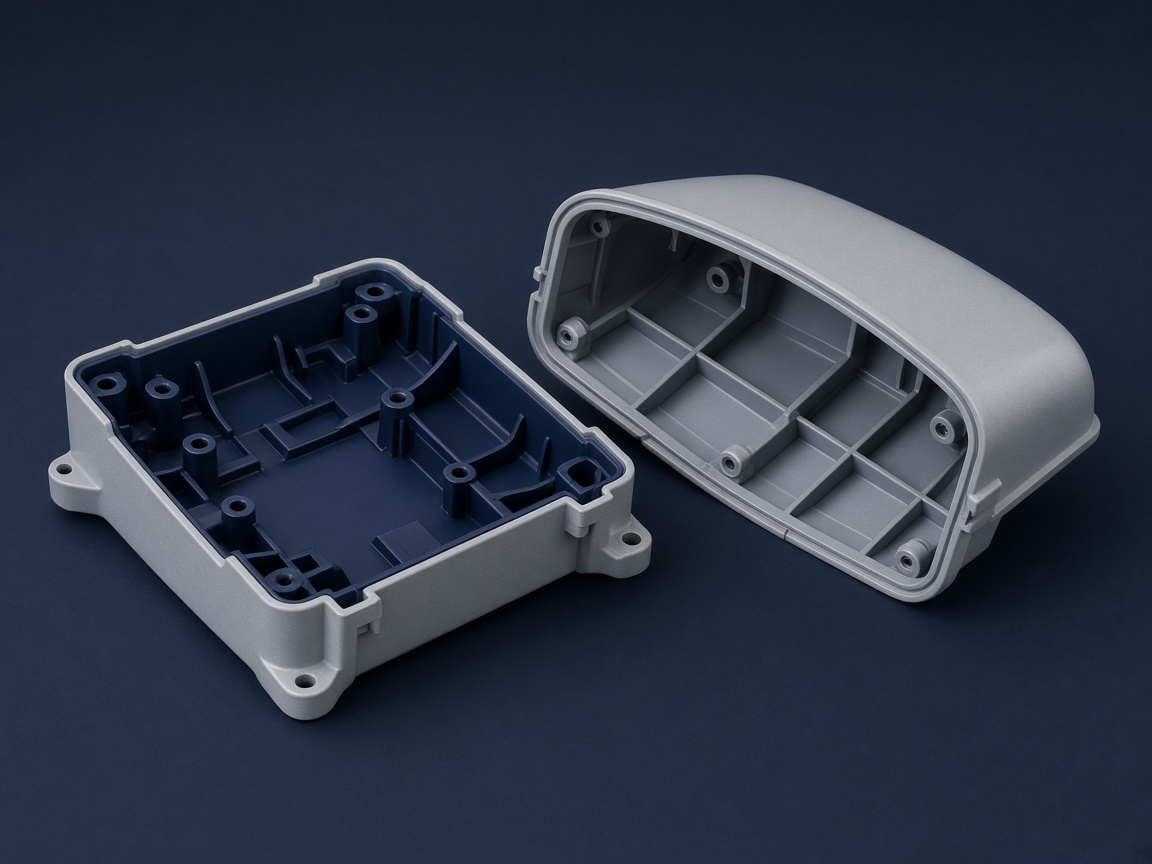
Repeating clamshells and equipment skins. Multi-cavity when the number pays. Industrial-adjacent when the print is real — not a catalog claim.
Handheld cases, port cutouts, and internal ribs. PC or ABS as named. UL or flame class only if you wrote it.
Acetal bits, retainers, and automotive-adjacent clips when the duty is written. More cavities only after the first cavity is honest.
A production tool freezes the bad decisions too. We will mark sink, warp, and slider cost. We will not promise a brick-thick logo stays invisible on a 1.5 mm wall.
Thick-to-thin sinks and warps. Core out bosses. Ribs about half the wall. Same talk as the molding page — harder to undo in hard steel.
Write it. Texture wants more. Zero-draft show faces are a polish and eject fight on P20 and worse on a diamond face.
Each slider is money and maintenance. A pass-through core is cheaper if the print allows it.
They stay. Mark hide faces. We will not put a gate on a lens unless you drew it there.
It sizes the steel, the cavities, and the runner. “TBD volume” gets a question, not a Class 101 quote.
Wear inserts if GF will chew the gate. Shipping the shoe is a line. Do not assume either is free.
We work to the band on your drawing. If you write nothing, we say which shop default we used — and we will still ask for a resin and a yearly number.
| General talk | ISO 2768-style medium on plastics when you write the class. Steel-safe on criticals until T1 lock. |
|---|---|
| Threads | Inserts as a standard (metric or UN). Molded threads only if you drew them and accept the draft. |
| Inspection | Balloons you marked on T1 and on the locked list. CMM / FAIR are line items. |
| Cosmetic | SPI or texture on show faces. Unmarked stay functional. |
| Files | Disk only — never emailed. |
STEP plus a PDF. Yearly number, resin, and SPI faces. Files stay on the Bluesky Tooling server and open only in the staff inbox.