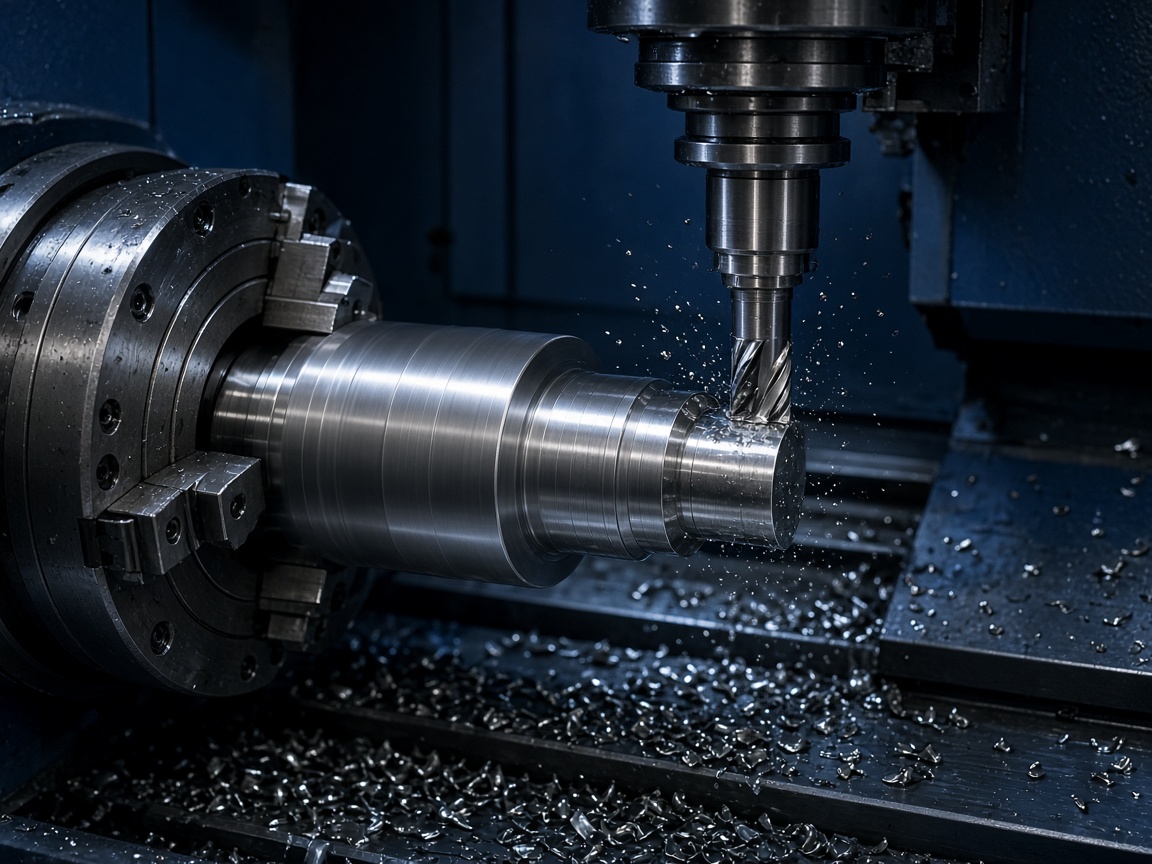
C-axis features
Index the diameter. Cross holes, slots, and ports that must land on a turned OD without losing the first datum.

Capabilities
One setup when the print mixes a turned OD with milled flats, a hex, a keyway, or radial holes. The work can spin; the live tool can spin. Bluesky Tooling keeps the first datum instead of walking the part to a second mill — unless a 5-axis mill is honestly cheaper. Uploads stay on this server.
This is not “turning plus a later mill” unless we say so. We program the mixed features against one chuck.
Index the diameter. Cross holes, slots, and ports that must land on a turned OD without losing the first datum.
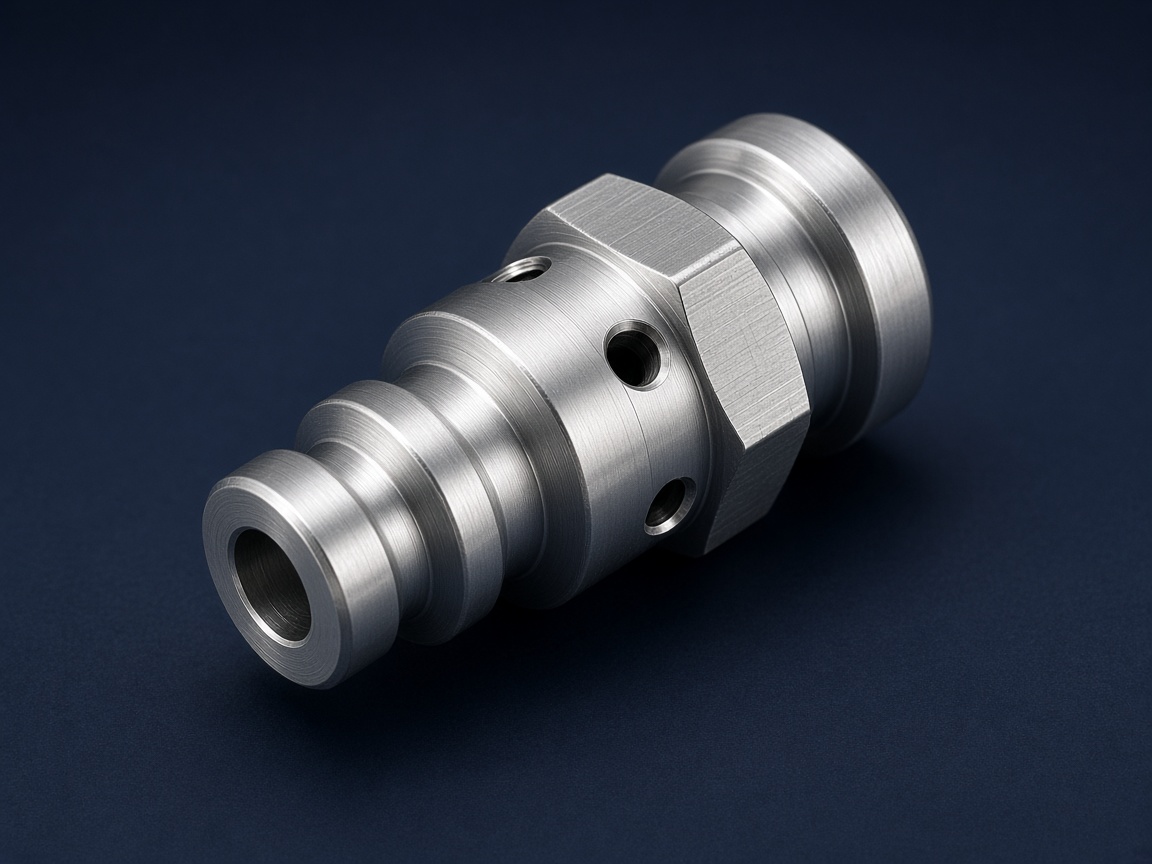
Flats, hex, and keyways while the part is still in the collet. Driven tools, not a second vise.
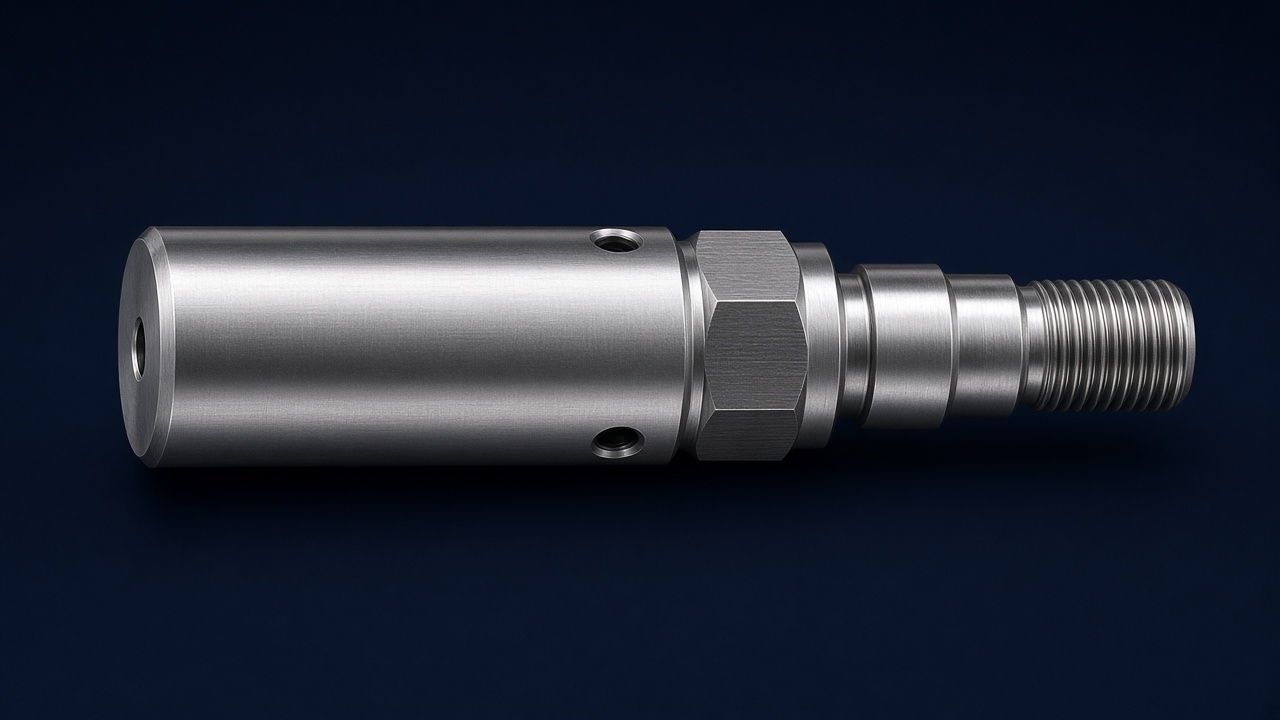
OD, ID, threads, and grooves first. Then the mill features. If milling is most of the job, we will quote a mill instead.
The print is a shaft or fitting that also needs flats, a hex, or radial holes. One datum must stay.
Only OD/ID/thread. Live tools add CAM time you do not need. See CNC turning.
It is a box. A turned boss is a small feature — mill it. See CNC milling.
High L/D or small-OD bar volume. See Swiss turning.
Print wins. These are shop talk numbers — not a brochure claim of ±0.0025 mm on every mixed feature.
| Cell | Live-tool lathe / mill-turn. C-axis for radial work. Y-axis when a live tool needs it. |
|---|---|
| Rule of thumb | We like this cell when milling is the smaller share of the job. If milling dominates, a mill is usually cheaper. |
| Linear / diameter | ±0.05 mm general; tighter when ballooned and purchased |
| L/D talk | About 4:1–5:1 on a chuck before we talk a rest or Swiss |
| Wall talk | About 0.8 mm metals / 1.5 mm plastics |
| As-machined | Typically Ra 3.2 μm or better unless a cosmetic face is marked |
| Files | STEP + PDF — disk only |
No account. Files stay on this server and open only in the staff inbox.
Upload the pack. We will say if two machines are still cheaper.
After you confirm. One program when the datum must stay.
Inspected to the mixed features you bought.
| Situation | Honest pick | Not this |
|---|---|---|
| OD plus flats / hex / radial holes, one datum | Turn-mill | Two stacked setups |
| Only a shaft | Turning | Turn-mill theater |
| Only a box | Milling | Turn-mill |
| Long slender bar | Swiss | Chuck mill-turn |
| Most of the job is 5-axis surfaces | Mill | Forcing live tools |
Named grades. Same metals as the turning and milling desks — the cell is the mix, not a new alloy list.
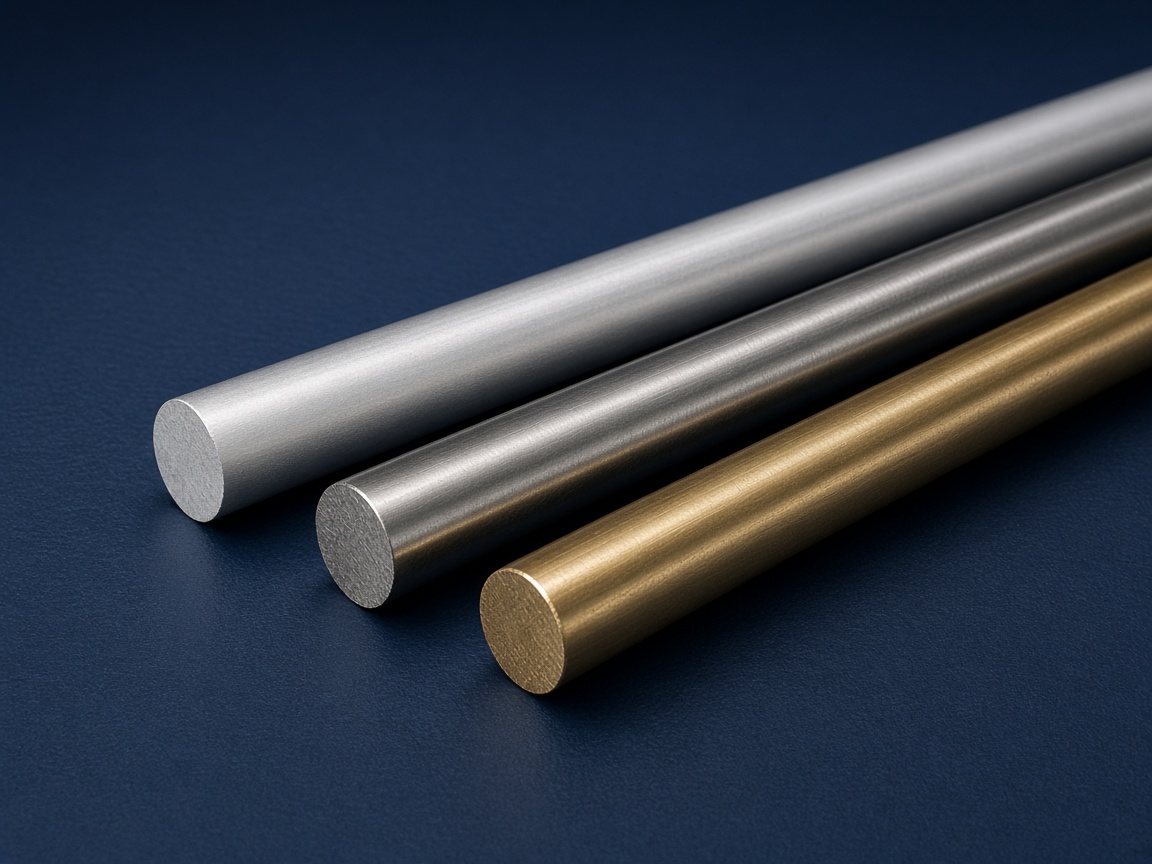
Default. Tool marks stay on unmarked faces.
Even matte. Mask threads if they cannot be blasted.
Aluminum or stainless as written.
Thickness on the PDF. Plate after a fit changes the diameter.
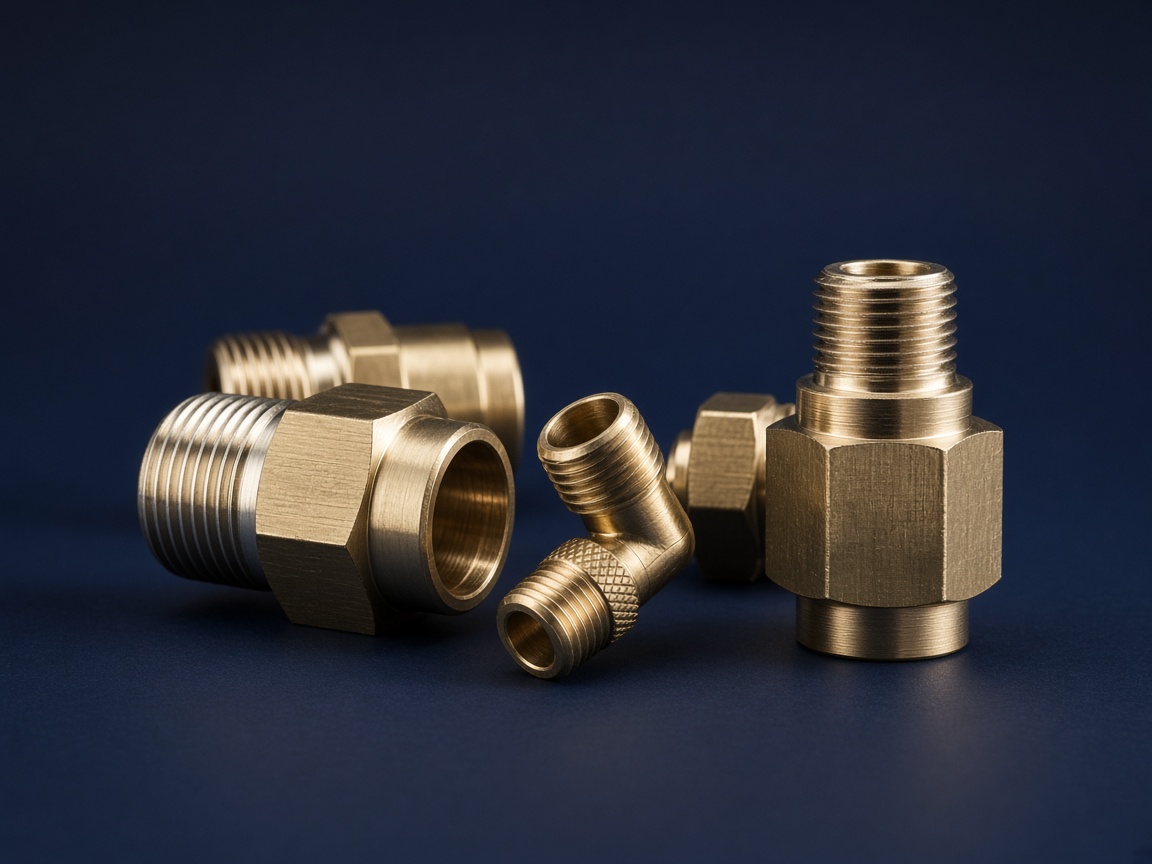
Thread plus hex. Ports that must land on a seal diameter.
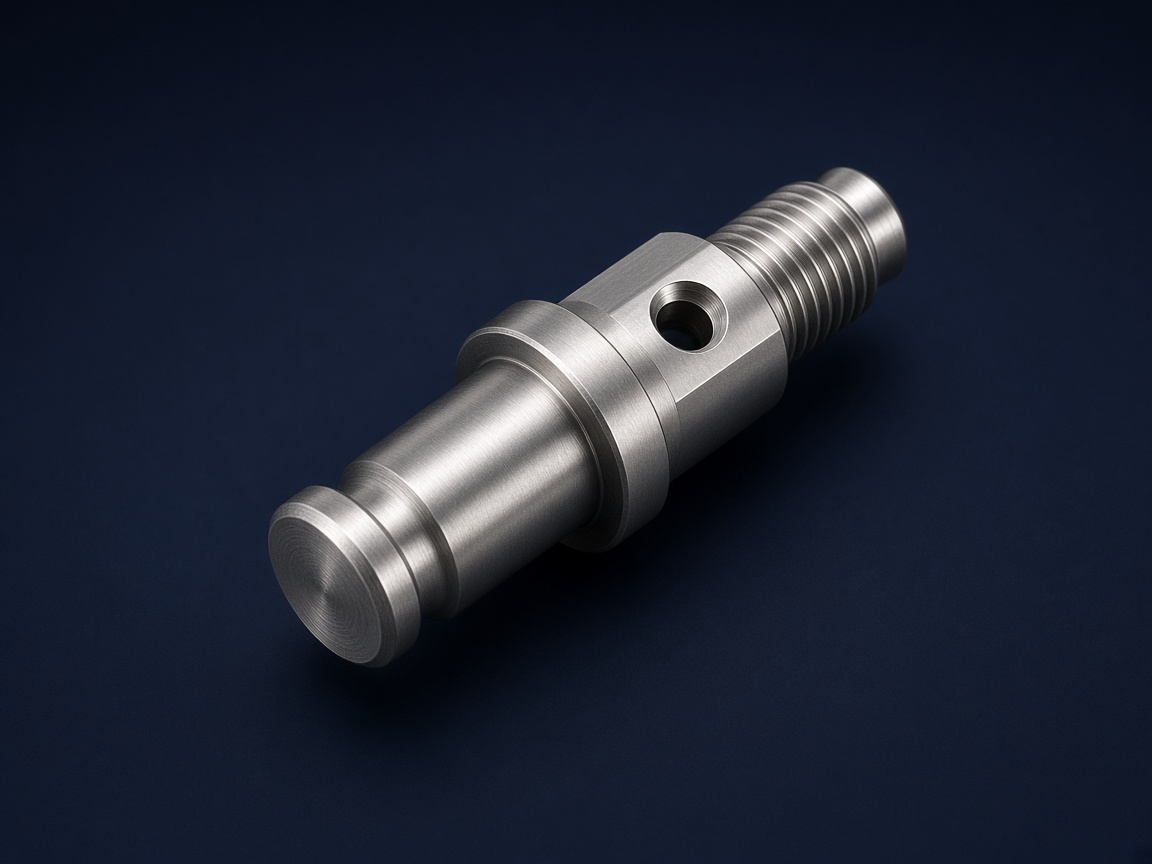
Seal diameters plus wrench flats. Automotive-adjacent and industrial when the print is real.
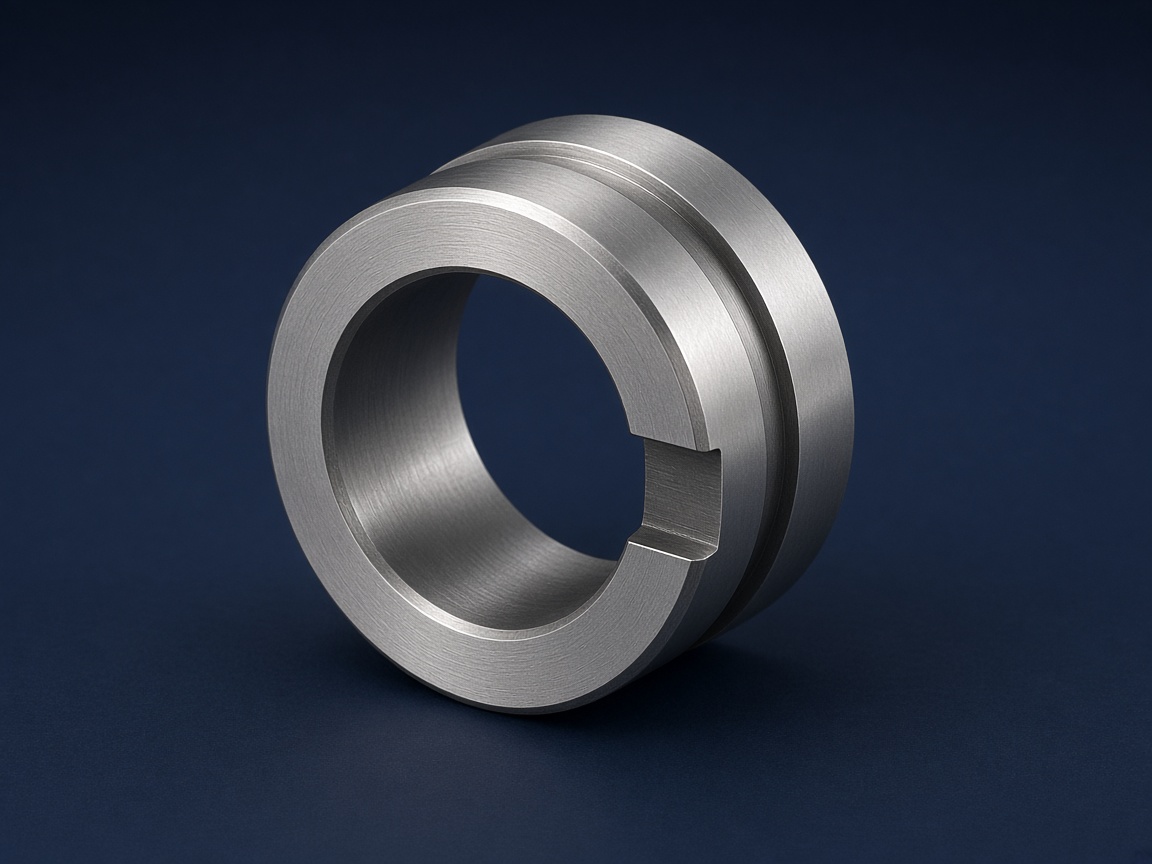
OD plus keyway. Mold cores that are turned then milled. Joint hardware.
If most of the cycle is milling, send it as a mill job. Turn-mill earns its keep when turning is the bulk.
A live end mill has a radius. Sharp internals are an EDM conversation.
Say which wins if a hole breaks a snap-ring groove.
Write the class and whether plating is before or after the fit.
A hex is more CAM than two wrench flats. Call what the assembly needs.
Live-tool reach is not a gun-drill. We will say when to split.
| General talk | ISO 2768-style when you write the class. |
|---|---|
| Threads | Metric or UN as a standard. |
| Inspection | The mixed features you ballooned — OD and the C-axis holes. Reports are line items. |
| Files | Disk only — never emailed. |
STEP plus a PDF. Files stay on the Bluesky Tooling server and open only in the staff inbox.